dailynewsnblog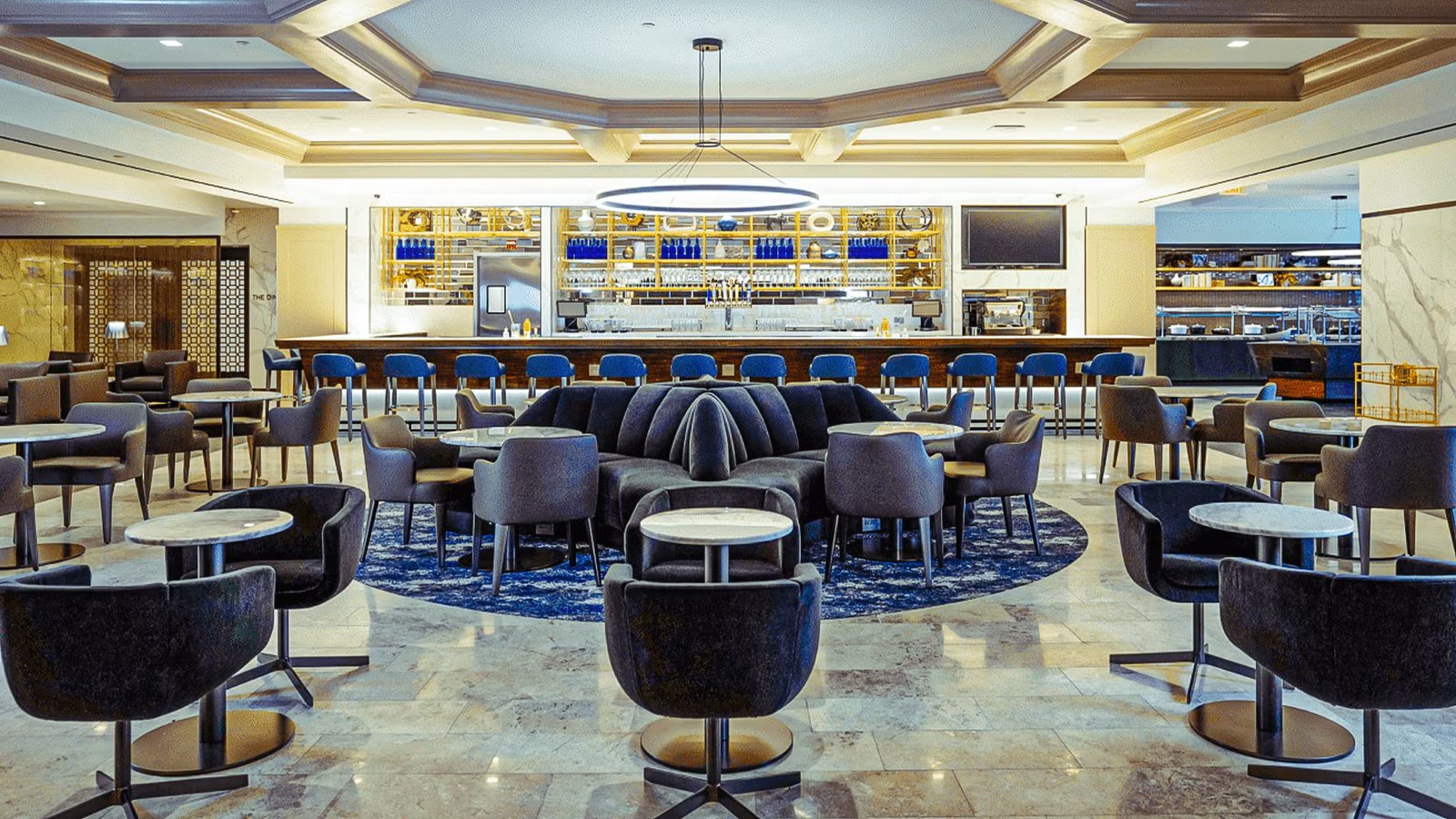
The most recent move made by  United Airlines relating to its Polaris Lounge is a significantly less routine eligibility tweak than it is a blunt statement about who the airline now considers its highest-spending tier of premium customers. Effective April 14, 2026, United Airlines narrowed access to its six US Polaris Lounges, ending a longstanding rule that had broadly admitted long-haul Star Alliance business and first-class passengers departing from those gateways. Reports say that entry eligibility now centers on United’s own eligible Polaris passengers and select close partner carriers, including Lufthansa Group, All Nippon Airways (ANA), Air New Zealand, and ITA Airways, all while passengers on carriers like Singapore Airlines, Turkish Airlines, EVA Air, TAP Air Portugal, Air India, and EgyptAir are pushed toward United Clubs or other kinds of partner lounges.
The airline operates facilities at Chicago O’Hare International Airport (ORD), George Bush Intercontinental Airport (IAH) in Houston, Newark Liberty International Airport (EWR),  Los Angeles International Airport (LAX), San Francisco International Airport (SFO), and Washington Dulles International Airport (IAD). The practical reason for this decision here is crowding. Polaris Lounges were built as premium, quieter spaces, not alliance-wide holding rooms for every international business class flyer. However, the strategic message is much larger. United is attempting to draw a large line between alliance membership and deep commercial partnerships. Revenue-sharing joint ventures still matter, but the loose reciprocity across the entire Star Alliance, which had previously existed, is far less important. For travelers, this is a downgrade. For United, it is a capacity-control and brand-protection decision.
A High-Level Overview Of United’s Polaris Lounge Network

The United Airlines Polaris Lounge network is the most premium tier of the legacy carrier’s airport strategy, sitting notably above the standard United Club system. While United operates more than 45 different United Clubs globally, the Polaris footprint is significantly smaller, featuring six lounges, all of which are located at major US international hubs. These include Chicago O’Hare, Houston Intercontinental, Newark, Los Angeles, and Washington Dulles. One would naturally expect that another such facility should soon follow at Denver International Airport (DEN).
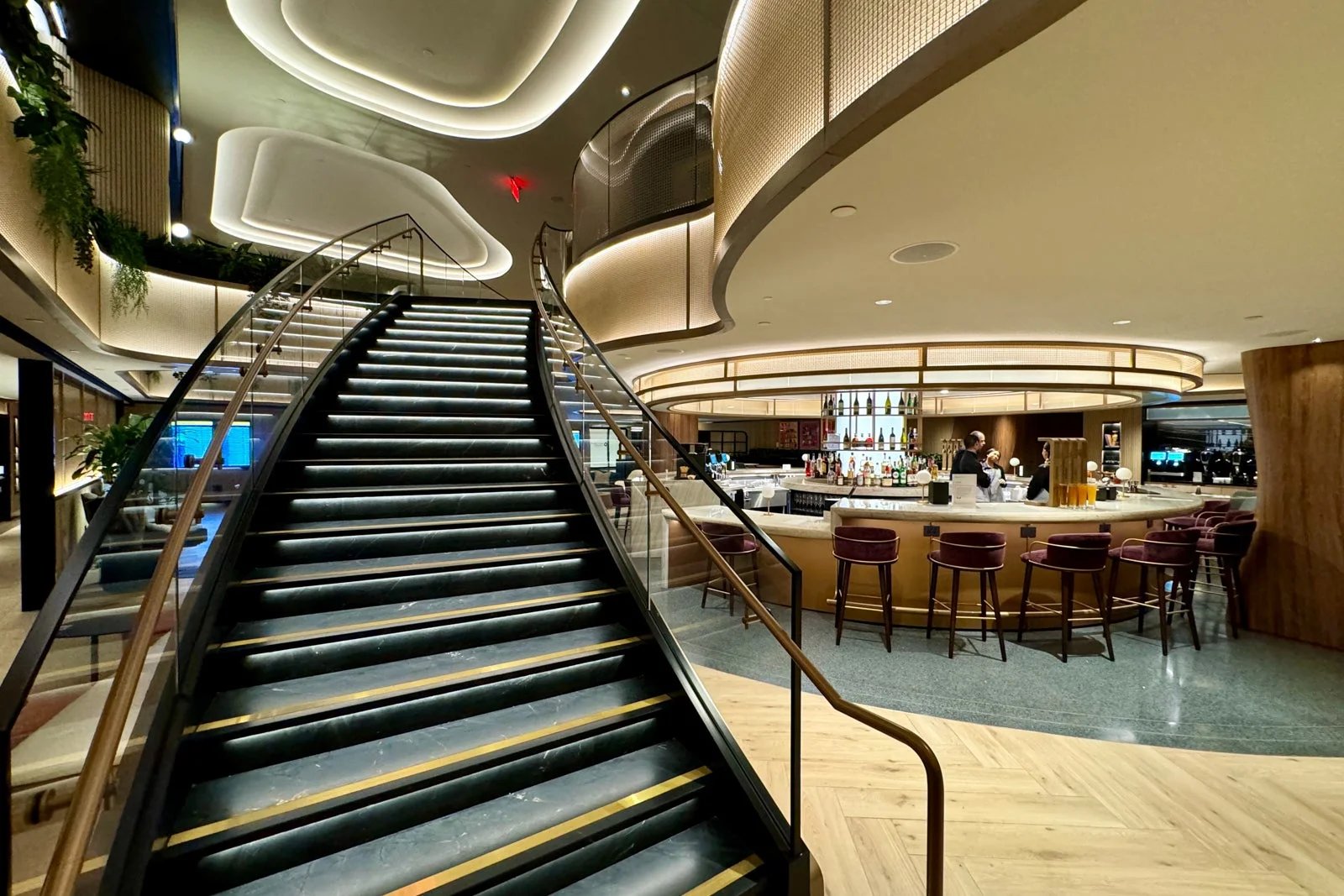
United describes these lounges as spaces that have been built specifically for Polaris long-haul premium customers, rather than as broad membership lounges. The network matters because it mirrors United’s long-haul geography. Each location sits at a hub where United funnels premium transatlantic, transpacific, and Latin America traffic, making the lounges part of the airline’s wider international business class product. These are not just waiting rooms. Rather, they are designed to extend the Polaris experience onto the ground, with upgraded dining, full bars, showers, quiet areas, workspaces, and much more private seating than a typical United Club.
Third-party lounge guides also emphasize that Polaris Lounges are more restrictive than United Clubs, with no paid memberships, credit-card entry, or one-time passes. That exclusivity is central to their overall value proposition. Polaris Lounges helps United compete with premium international carriers by giving high-yield passengers a more controlled preflight experience. But, since there are only six such facilities, crowding becomes a major problem when entry rules are just too broad.
What Were The Former Entry Requirements For Polaris?

Before the April 2026 policy change, United’s Polaris Lounge access rules were unusually generous by the standards of today’s premium-lounge standards. They were initially designed not just for United’s own long-haul Polaris passengers. Rather, they were also open to many travelers flying long-haul international business or first class on Star Alliance partner airlines, provided they were departing from an airport with a Polaris Lounge. In practice, that meant a passenger flying Singapore Airlines business class from San Francisco, Turkish Airlines business class from Newark, EVA Air business class from Los Angeles, or TAP Air Portugal business class from Washington Dulles could often use the same Polaris Lounge as a United Polaris passenger.
The old rules reflected the more traditional logic of Star Alliance reciprocity. Premium passengers on one member airline received premium ground benefits while traveling through another member’s hub. Business-class travelers generally do not receive guest privileges, while qualifying first-class travelers on Star Alliance long-haul flights could typically bring one guest. That made Polaris Lounges a major alliance asset, especially given that their experiences offered a material improvement over standard United Clubs, according to One Mile At A Time.
These facilities offered restaurant-style dining, cocktails, showers, quiet seating, and a much more premium environment. At the same time, it also created a capacity problem. United was hosting not only its own highest-yield long-haul customers, but also premium passengers from a wide range of Star Alliance carriers that may not have had the same commercial relationship with United.

5 Things Business Travelers Don’t Know About Airport Lounge Access In 2026
The golden age of airport lounges is over, replaced by a complex web of spending thresholds and digital enrollments.
What Exactly Are The New Access Rules?

The entry rules for United’s Polaris Lounges are now much narrower than they were under the airline’s older Star Alliance-wide approach. Since April 14, 2026, entry is primarily limited to United’s own eligible long-haul Polaris passengers and premium-cabin travelers on a short list of close partner airlines. The change applies at all six Polaris Lounge airports. This includes all the facilities that we have previously noted are home to such a lounge.
On the United side, eligible long-haul Polaris business class travelers can still enter, but United’s newer lower-tier “base” business-class fare will be fully excluded from Polaris Lounge access. On the partner side, entry is no longer granted simply because a traveler is flying Star Alliance business or first class. Instead, United now allows entry eligibility for premium-cabin passengers on selected close partners, including ANA, Air New Zealand, ITA Airways, and Lufthansa Group airlines like  Lufthansa, SWISS, Austrian, and Brussels Airlines.
Reports have already specified that eligible partner access includes first class on Lufthansa, SWISS, and ANA. Business-class entry eligibility will be provided for ANA, Air New Zealand, ITA, and Lufthansa Group travelers. That means that many Star Alliance premium passengers are now locked out, including customers flying with Singapore Airlines, Turkish Airlines, EVA Air, TAP Air Portugal, Air India, Air China, and LOT. They will now be generally redirected to United Clubs or other partner lounges.
What Are The Strategic Motivations Behind This Move?

From a strategic perspective, United is doing this to protect the value of Polaris as a branded premium product. The airline has spent years positioning Polaris as more than just a seat. Rather, it is supposed to include a more exclusive airport experience, better dining, showers, quiet spaces, and a smoother overall long-haul journey. If the lounges become crowded, noisy, or hard to use, the product loses the very advantage that United is trying to sell to its highest-yield customers.
The move also reflects United’s growing premium-oriented focus. As the airline adds more premium seats across its fleet, especially on long-haul aircraft, lounge capacity becomes a major constraint. United would rather reserve scarce lounge space for passengers who generate the most direct value. The airline’s own Polaris customers and travelers on deep joint-venture partners, where revenue is going to be directly shared, are ultimately the priority. That is ultimately a distinction that matters.
Star Alliance membership is broad, but not every partner relationship is of equal value to United. A Singapore Airlines or Turkish Airlines business class passenger may be part of the same alliance, but that does not necessarily mean United shares the revenue or benefits commercially in the same way that it does with Lufthansa Group, ANA, or Air New Zealand. In short, United is shifting from alliance generosity to commercial prioritization. Premium entry eligibility now follows revenue, not just alliance branding.

You’ve Heard Of Basic Economy, But Basic Business? It Could Be Coming To United
Here’s why unbundled business class fares are coming to United and other airlines.
Were Alliance Partners Happy With This?

Major alliance partners were almost certainly not pleased, even if few were likely to directly attack United publicly. The change weakens one of the most visible benefits of Star Alliance membership. Premium passengers could previously expect a relatively seamless lounge experience across numerous member airlines.
Now, a Singapore Airlines, Turkish Airlines, EVA Air, TAP, EgyptAir, or Air India business class passenger departing a United hub may receive a noticeably inferior experience despite flying in a premium cabin. That creates awkwardness for those airlines, primarily because their customers may blame them for a downgrade imposed by United.
Reports ultimately framed the change as bad news for Star Alliance partners and a further splintering of the alliance model. That being said, the reaction is probably mixed. Joint venture partners like Lufthansa Group, ANA, Air New Zealand, and ITA retain access, so they are fundamentally protected. The real losers are non-joint venture partners, who now look less valuable inside United’s own hubs.
What Is Our Bottom Line?

The United Airlines Polaris Lounge crackdown is a fundamental output of industry scarcity. The lounges are among the strongest pieces of United’s long-haul premium product, but they only work if they feel quiet, exclusive, and meaningfully better than a United Club. By cutting off most Star Alliance premium passengers, United is prioritizing its own customers.
It is also prioritizing its relationships with its closest revenue-sharing partners over broader alliance goodwill across the board. That may frustrate travelers on Singapore Airlines, Turkish Airlines, EVA Air, TAP Air Portugal, Air India, and others. At the same time, it reflects where airline strategy is heading.
Alliance logos matter significantly less than direct commercial value. For United Airlines, this is a brand-protection move. For passengers, it serves as a reminder that premium travel benefits are becoming more conditional, more segmented, and less universally reciprocal across the board.