dailynewsnblog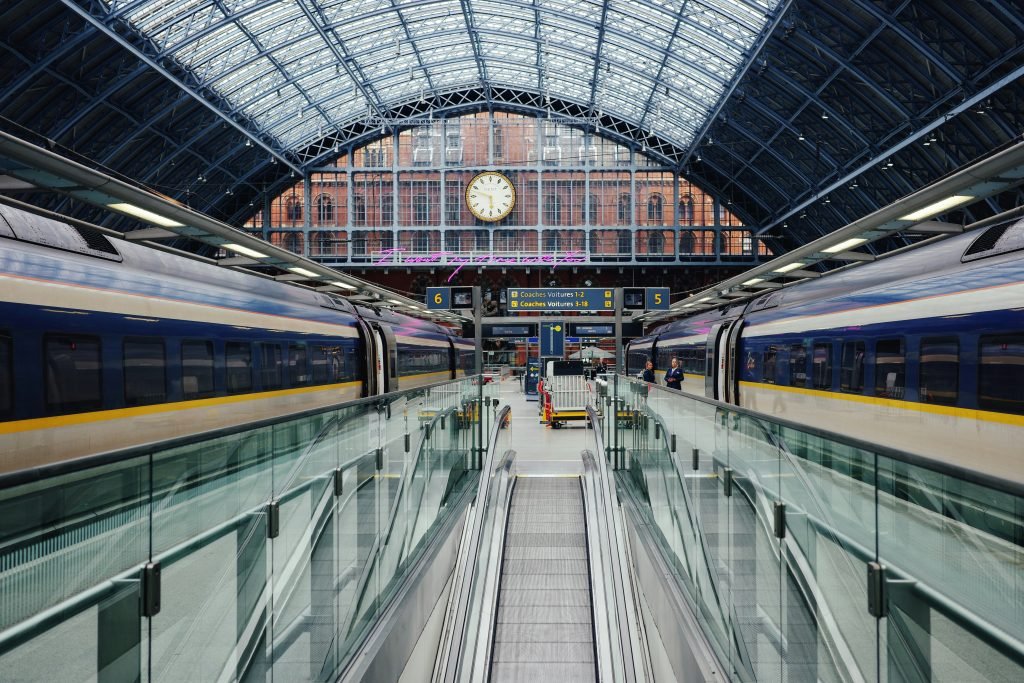

Right wing politicians love to sell public assets to the private sector to alleviate costs on the public, but in the long term that thinking is incorrect: in many sectors the costs still fall back on the public. The British railway system is one such example that public selling of their publicly built and run transit system resulted in an abject failure. It was so bad that people literally died as a result.
Many large public infrastructure projects take capital, time, and have ongoing costs directly due to the physical operation (think rails, engines, etc). This meant that the only place to save money as a private operator was in reducing labour costs, so layoffs occurred and with that came a crisis in a knowledge.
A decade-wide gap in skills was the consequence. With the growth in passenger demand came a huge growth in the number of infrastructure projects being carried out, and this skills bottleneck, combined with an industry structure that exacerbated costs by maximizing the number of organizational interfaces, meant work was being delivered too slowly and at too high a price. Cost escalations became unbearable for government in 2017 and resulted not only in the curtailment of the national electrification programme, but also in the abandonment of other enhancements across the country, particularly in and around the north of England. Meanwhile, there was a glut of new train orders, many for new electric trains for which there were no longer overhead wires planned to power them.
…
The rail industry needs democratization, so that decisions about the railways we use are made closer to us. That means moving power, including over spending, away from Westminster. Democratic accountability at local and regional levels is key to unlocking the cycle of proposed and cancelled investment, and in pushing operators to do better. That means devolution of decision and funding powers to both the regions and cities, but also delivering sufficient industry funding autonomy so that it can respond quickly to these demands and rise above electoral cycles and fiscal anxiety.
Read more.