dailynewsnblog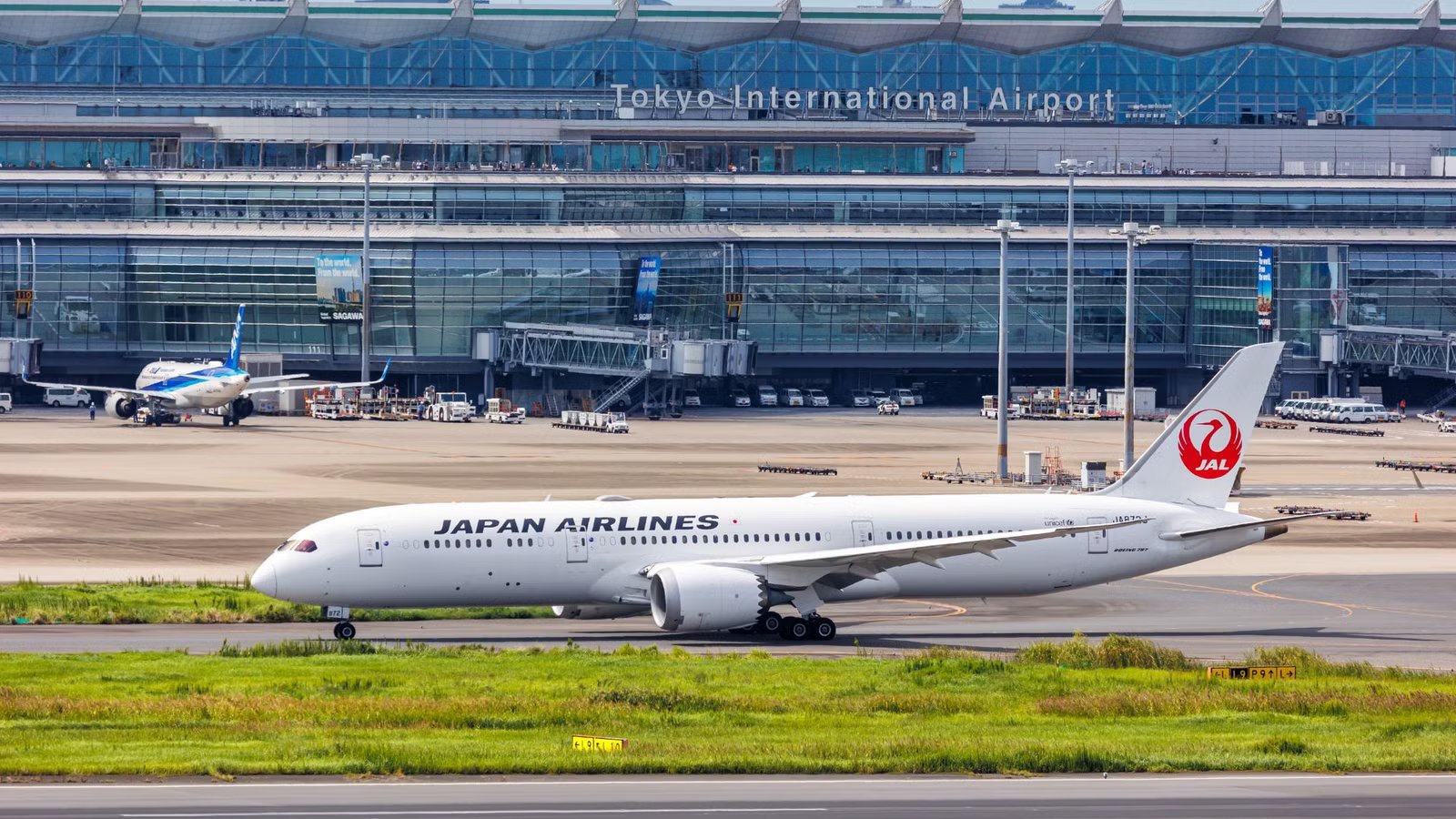
Japan Airlines (JAL) has launched a trial involving humanoid robots at airports in Tokyo, introducing advanced machines into day-to-day ground operations. The program, announced recently by the airline, is being tested at major hubs in the Japanese capital to evaluate how robotics can assist airport staff. The initiative is driven by the need to improve efficiency while addressing ongoing workforce shortages. By combining human oversight with robotic capability, the airline is exploring new ways to modernize airport handling processes.
This development reflects a wider shift across the aviation sector, where automation is increasingly seen as a solution to operational challenges. Japan, known for its leadership in robotics, is using airports as a proving ground for practical applications of humanoid technology. While still experimental, the trial provides insight into how these machines could integrate into complex, fast-paced environments. The following sections outline what the robots do, why they are being introduced, and what they could mean for the future of air travel.
Japan Airlines Tests Humanoid Robots To Support Ground Operations

The robots being tested are designed to take on physically demanding ground handling duties, including loading and unloading cargo containers and moving heavy equipment. The Chinese-built machines, introduced in partnership with GMO AI & Robotics, will begin operating at  Tokyo Haneda Airport (HND) from May as part of a planned two-year trial. Remotely controlled by human operators, they mirror human movements, allowing them to work within existing airport infrastructure without major modifications. Early demonstrations indicate they can lift and transport heavy loads with steady accuracy.
A major driver behind the initiative is Japan’s growing labor shortage, particularly in aviation and logistics, where demand has surged alongside rising inbound tourism. JAL, which employs around 4,000 ground handling staff, is looking to reduce physical strain on workers while maintaining efficiency. The airline is also exploring future uses for the robots, including cabin cleaning and operating ground support equipment. While automation could bring clear benefits, certain responsibilities, especially those related to safety, are expected to remain firmly in human hands. GMO AI & Robotics’ president, Tomohiro Uchida, said:
“While airports appear highly automated and standardised, their back-end operations still rely heavily on human labour and face serious labour shortages.”
Automation Push Driven By Labor Shortages And Efficiency Goals

Japan has consistently been a global leader in robotics, with humanoid machines already appearing in industries such as elder care and customer service. Applying similar technology in aviation introduces new challenges, particularly given the strict safety standards and time-sensitive nature of airport operations. Successfully integrating robots into this environment requires careful coordination between machines and human teams. This trial represents an important step toward achieving that balance.
Across the world, airports are increasingly turning to automation to streamline processes, from biometric boarding systems to autonomous vehicles on the tarmac. Humanoid robots offer a unique advantage because they can adapt to environments designed for people, unlike specialized machinery that requires dedicated systems. This flexibility could make them particularly valuable in older airports where large-scale redesigns are impractical.
Public reaction will also play a role in how widely the technology is adopted. While some passengers may welcome innovation, others may be cautious about relying on robots in safety-critical environments. Building trust in the technology will be essential as trials continue and potentially expand.

Regional Fleet Renewal: Japan Airlines Seeking Up To 70 New Jets And Turboprops
The news comes as the carrier aims to replace its domestic fleet.
What Humanoid Robotics Could Mean For The Future Of Airports

The robots used in this program are part of a broader wave of innovation combining artificial intelligence, advanced sensors, and remote operation. These systems are becoming increasingly capable of handling complex physical tasks that once required human dexterity. In aviation, similar technologies are being explored for maintenance inspections, security operations, and even passenger assistance roles. This indicates a gradual transition toward more automated airport ecosystems.
If the trial proves successful, it could pave the way for wider adoption not only in Japan but also in other regions facing similar workforce challenges. Airlines may begin incorporating humanoid robots into a variety of ground operations, expanding their role over time. Future versions could feature greater autonomy and improved interaction with both staff and passengers. Ultimately, the initiative highlights how technology is beginning to reshape the structure of airport work and operations.
In summary, Japan Airlines’ experiment underscores a growing reliance on automation to address practical industry challenges. While still at an early stage, the use of humanoid robots offers a glimpse into how airports might evolve in the coming years.