dailynewsnblog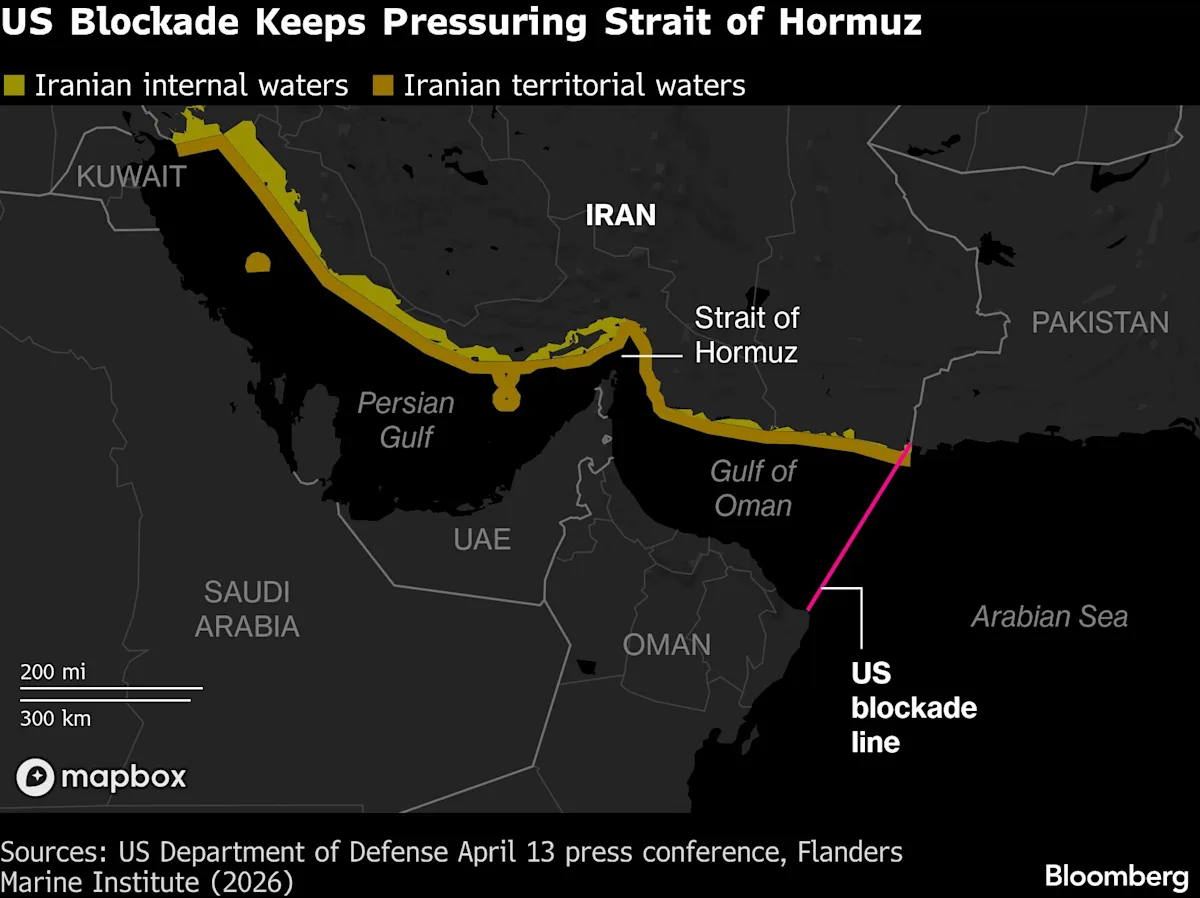
(Bloomberg) — Oil edged higher as traders weighed the next steps toward peace talks over the Iran war, with the US discussing a proposal from Tehran while the crucial Strait of Hormuz remained almost impassable.
Most Read from Bloomberg
Brent crude traded near $109 a barrel after advancing 2.8% on Monday, while West Texas Intermediate was above $97. US President Donald Trump convened a meeting to discuss the proposal, but maintained “red lines” on any deal to end the war, including preventing Tehran from obtaining a nuclear weapon.
A ceasefire has broadly held since early April, but a blockade of the Strait of Hormuz by Iran and the US has reduced daily transits of the waterway to near zero. The closure has choked off flows of crude, natural gas and oil products, driving up energy prices and raising concerns about an inflation crisis.
“There’s still a prevailing expectation that flows begin to normalize through May and June, which has helped keep prices somewhat contained,” said Rebecca Babin, a senior energy trader at CIBC Private Wealth Group. “But the clock is ticking. Each day tightens the physical balance, chips away at buffers, and raises the risk of more exaggerated upside moves.”
Iranian media said Sunday that Foreign Minister Abbas Araghchi would convey to Pakistan, which is mediating peace talks, that the conflict could end if the US lift their naval blockade, agree to a new legal framework for traffic transiting the strait and guarantee there will be no future military action against Iran.
Trump and his national security team are skeptical of Iran’s proposal but will continue to negotiate, and the White House is likely to offer its response and counterproposals in coming days, the Wall Street Journal reported, citing US officials it didn’t name. The American president spoke about Tehran being unwilling to meet his key demands of ending nuclear enrichment and vowing never to make a nuclear weapon, according to the report.
Secretary of State Marco Rubio suggested Iran still wanted to retain control of Hormuz and cast that as unacceptable to the US, he said in an interview with Fox News that aired on Monday. Prior to the war, about one-fifth of the world’s oil and liquefied natural gas flowed through the narrow waterway.