dailynewsnblog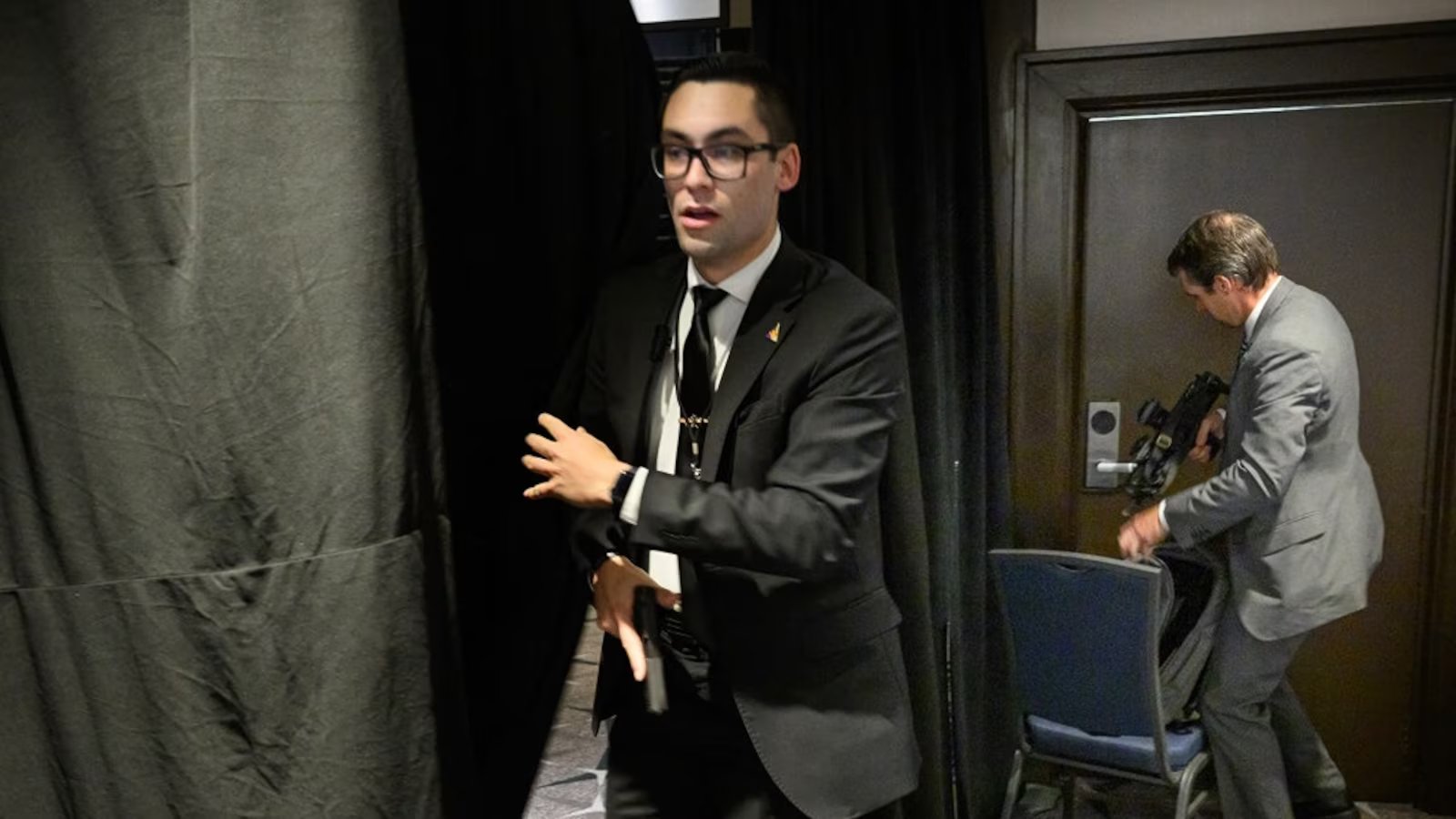
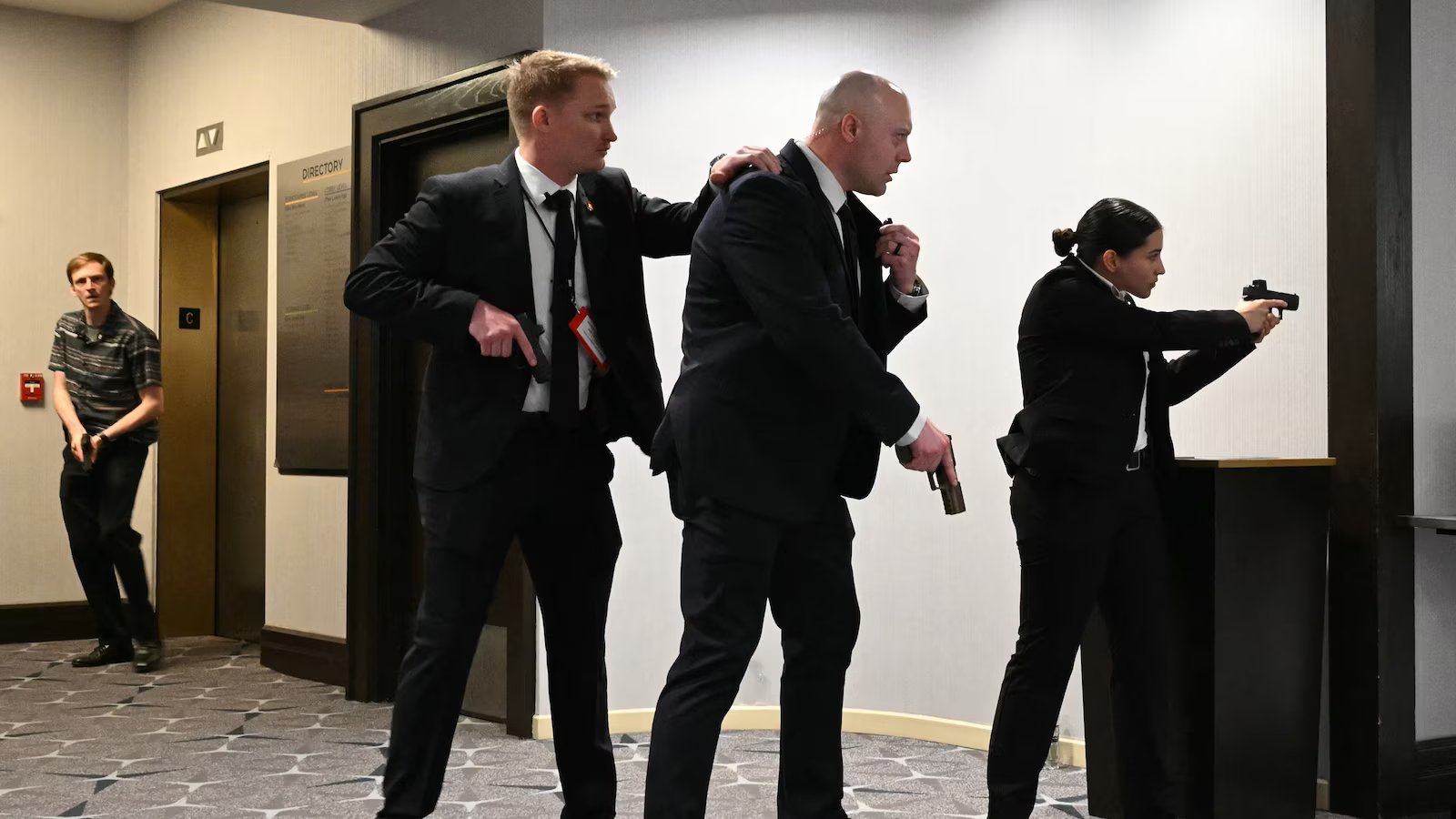
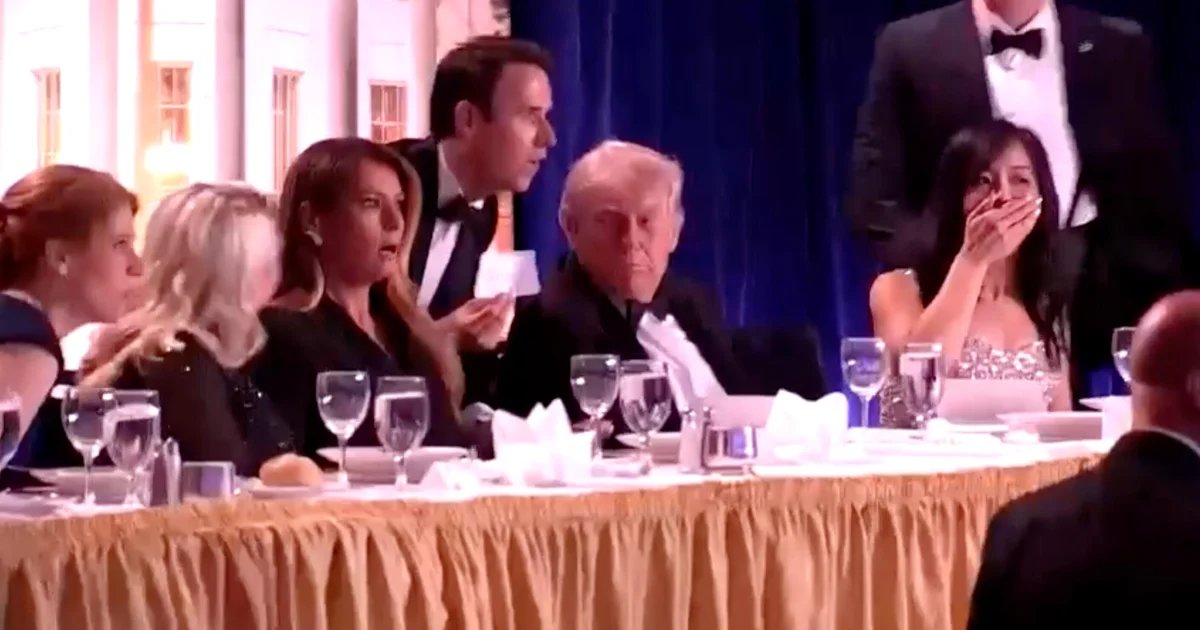
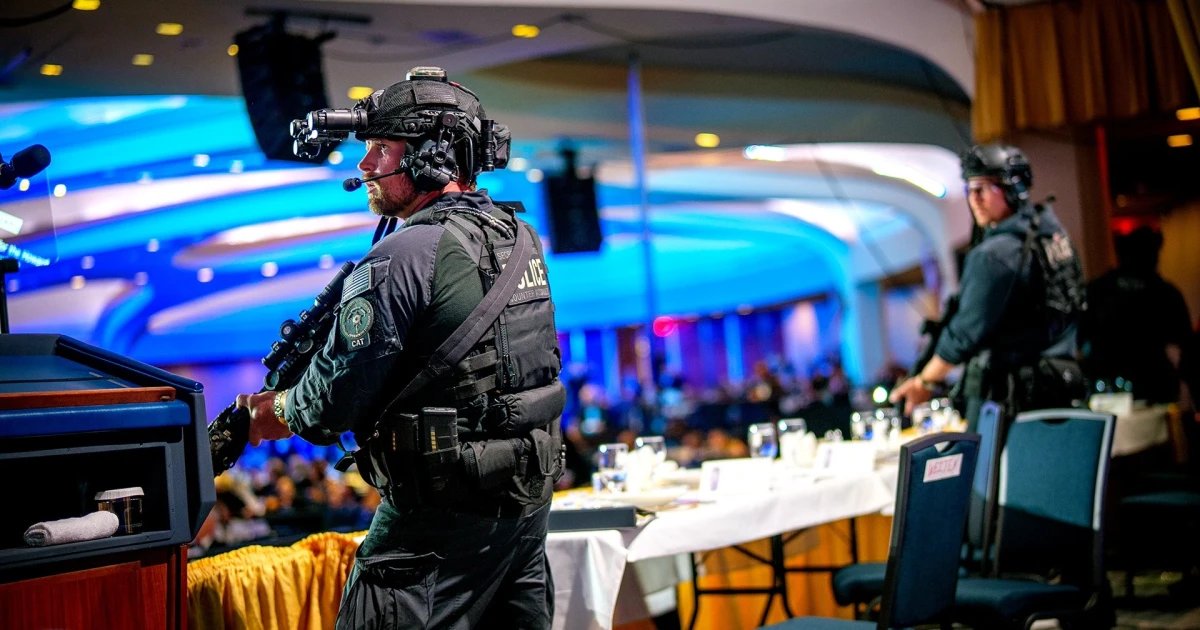
Assassination attempts are part of the core preventative mission of the U.S. Secret Service. So when an armed assassin appeared to run past a Secret Service magnetometer checkpoint at the White House Correspondents’ Association Dinner, questions have been raised.
The Secret Service Presidential protection mission dates back to 1901; it was formalized after the assassination of President William McKinley. Since then, and despite some notable lapses, the agency has steadily increased its protective methodologies, techniques and technologies to mitigate threats of varying degrees.
In today’s environment, and amid a current Department of Homeland Security shutdown, the threats against public officials have risen. According to the Institute for Strategic Dialogue, threats toward President Donald Trump “accounted for 47 percent of violent threats in our dataset.”
Hotels, like the Washington Hilton where the shooting took place, are inherently complex to secure. Due to the nature of the ongoing business at the hotel, the Secret Service has to balance its security needs with the needs of the hotel.
This is why the Secret Service protective advance process is so critical. It is the first step the Secret Service and other law enforcement agencies use to plan out the logistics of the event and the security measures needed. This is also when the agency plans for contingencies, from a medical incident to a large-scale attack, to ensure the continuity and leadership of the United States is maintained.
Since the Washington Hilton is a large hotel with multiple venues and hundreds of rooms, those overlapping layers of security start from outside the hotel and work inward. Each layer increases the level of security. These increased layers add more resources that tighten the ring of protection around the president.
Much of this is driven by threat intelligence which the Secret Service receives and processes every day. Some of this threat intelligence comes from intelligence or law enforcement agency sources; some come from threats made by individuals or groups online or in person. Irrespective of how the threat is made, the agency’s Protective Intelligence division examines and disseminates general threat intelligence to the entire agency. This allows agency personnel to adjust their protective footprint for assignments.
Unfortunately, intelligence starts with known or reported information. When information is not known or reported, which appears to be the case with the Washington Hilton suspect, mitigation measures are nearly impossible. This is why the agency also incorporates standard zones and layers of protection that function as tripwires for potential threats.
As Saturday’s incident underscores, stopping a threat from an unknown attacker can be difficult. Mitigating it by having tripwires in place to identify and catching it before an attack occurs is the goal.
Acting Attorney General Todd Blanche told “This Week” anchor George Stephanopoulos that the system “worked … law enforcement and the Secret Service protected all of us. The man barely got past the perimeter. And so when you have a perimeter designed to keep people safe, like President Trump, and it works — that’s something that should be applauded.”
Of course, nothing in a kinetic environment may look perfect. The appropriate response of the Secret Service personnel on Saturday, however, is what separates the protective mission of the Secret Service from other national security missions.
Donald J. Mihalek is an ABC News contributor, retired senior Secret Service agent and regional field training instructor who served on the president’s detail and presidential transitions. The opinions expressed in this story are his and not those of ABC News.