dailynewsnblog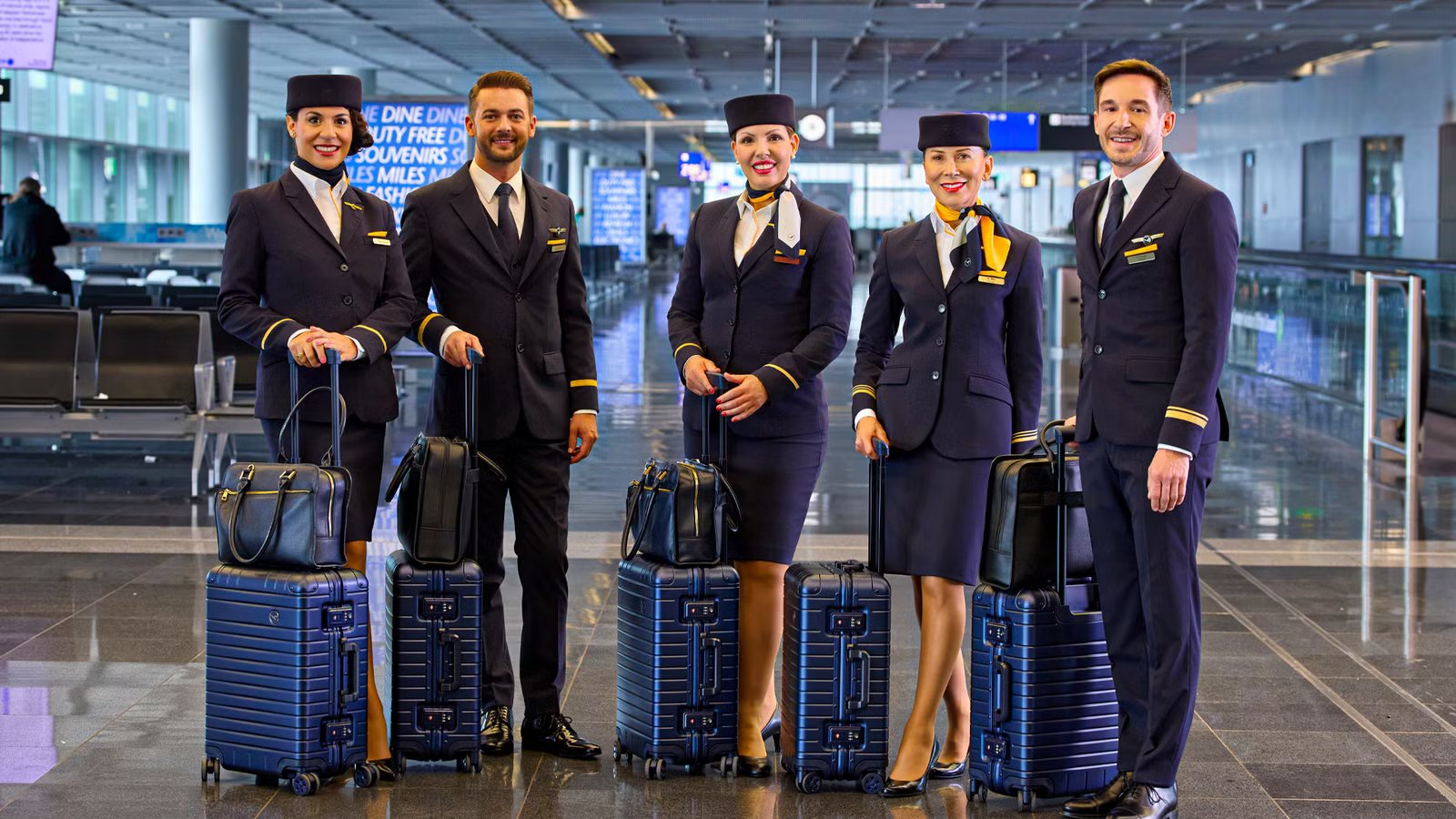
Seasoned flight attendants are remarkably quick at identifying passengers who are new to long-haul flying, often forming their impressions within seconds of boarding. While they greet travelers with the warm, polished hospitality they are known for, they also quietly assess a range of factors that matter to safety and service. From identifying passengers who could assist in an emergency to spotting those who may require extra support, such as elderly travelers, injured passengers, or anyone struggling with luggage, cabin crew are constantly reading the cabin.
Boarding, therefore, is not just about getting everyone seated efficiently; it is a critical moment of observation. Crew members are building situational awareness, anticipating potential issues before the aircraft even leaves the ground. Small behaviors can reveal a lot: passengers who slow down the aisle, appear visibly anxious, or struggle with overstuffed carry-ons often stand out immediately. Even habits during the flight, such as frequent use of the call button, can signal inexperience.
This article explores the subtle signs that suggest a passenger is new to long-haul flying, as noticed by flight attendants. It also offers practical insights to help travelers feel more prepared and confident on their next journey.
Boarding Behavior That Signals Inexperience

Boarding behavior is one of the quickest ways for crew members to identify inexperienced long-haul passengers. When navigating a new environment, people naturally hesitate, and this often shows in the aisle through slower movement, blocking other passengers, or appearing disoriented.
Flight attendant Kimberly Sullivan has noted that crew can quickly spot first-time travelers by the way they board, particularly if someone holds up the aisle or seems to have “tunnel vision”. In contrast, more experienced passengers tend to move efficiently and know when and where to queue. Research also suggests that inexperienced travelers can slow down the overall boarding process, increasing turnaround time and operational costs for airlines. Some studies even classify these passengers as those who act without awareness of others or fail to follow boarding instructions, making them easier for crew to identify almost immediately.
Therefore, crew members are trained to spot these behaviors immediately, as they can impact boarding efficiency and overall turnaround time, which in turn can be costly. Turnaround time costs airlines roughly $100 per minute in delayed time or inefficient, non-revenue-generating ground time.
Physical Signs Of Anxiety

Another important indicator of inexperience is visible anxiety. While not every passenger shows it clearly, flight attendants are highly attuned to subtle behavioral and physical cues. These often suggest that someone may be overwhelmed by the long-haul flying experience (especially if it is their first time). Common signs include fidgeting, trembling, sweating, or simply appearing on edge. In some cases, symptoms can escalate to dizziness, nausea, or difficulty breathing. The crew is trained to recognize these signs quickly.
Industry data presented in guidelines published by the Airport Council International reinforces how emotions fluctuate throughout the passenger journey. The graph below shows that positive emotions remain high during most stages. However, they drop significantly at key stress points such as security and passport control, where negative emotions peak. Although the onboard experience is generally calmer, it follows a sequence of earlier stressors. As a result, passengers may still feel emotionally unsettled. This highlights how unfamiliar or high-pressure environments can trigger anxiety, especially for inexperienced travelers.

Recognizing emotions is standard practice among aviation professionals. Industry guidance often draws on frameworks such as Plutchik’s Wheel of Emotions. This model identifies eight primary emotions: anger, anticipation, joy, trust, fear, surprise, sadness, and disgust. It also shows how emotions vary in intensity. Feelings can strengthen if left unaddressed. Each emotion also has an opposite, such as joy and sadness or trust and disgust. This helps explain how mild unease can develop into more serious distress.

Flight attendants receive training in psychological first aid. This enables them to respond calmly and effectively to passengers in distress. Their role goes beyond service. They actively monitor emotional well-being and offer reassurance through regular check-ins. Simple actions, such as maintaining eye contact or speaking in a calm tone, can make a significant difference. In more serious cases, they may take practical steps. For example, they might relocate a passenger to a more comfortable seat, such as near the wings where movement is less noticeable, or to a bulkhead seat with more space.
Although anxiety is a sign of inexperience, understanding and responding to passenger emotions is a key part of modern aviation service. Flight attendants are professionals who not only support safety but also enhance comfort, confidence, and long-term satisfaction.

Is It Really Necessary To Arrive At The Airport 3 Hours Early?
While it may seem trivial, a lot of stress can be avoided by being prepared and arriving early at the airport.
Luggage Mistakes That Stand Out

Luggage mistakes are one of the clearest indicators of an inexperienced traveler. Overstuffed carry-ons, in particular, are an immediate giveaway. If a bag is difficult to lift, awkward to maneuver, or does not fit easily into the overhead bin, it signals poor preparation. Flight attendants quickly notice these issues, as they can slow down boarding and create unnecessary congestion in the aisle. Weight is another key factor. If someone struggles or hesitates to place their luggage overhead, it becomes obvious the bag is too heavy. Experienced travelers tend to pack more efficiently, ensuring they can handle their belongings independently and store them quickly without disruption.
Organization also plays an important role. Passengers who block the aisle while searching through their bags for passports or essentials stand out immediately. In contrast, seasoned travelers keep important items easily accessible and move through the boarding process smoothly.
The overhead bin itself is a common source of tension. On some routes, particularly with budget airlines with stricter baggage policies, disputes over space can escalate quickly. As one crew member, Josh, explains, this can become especially difficult to manage:
“I think on longer-haul flights, this might be less of a problem, but on a budget airline, it’s a nightmare… I’ve had passengers take other passengers’ personal items out of the bins and cause fights… I’ve even had individuals take it upon themselves to become the cabin luggage captains, directing people where to put their bags and slowing everyone down.”
Situations like these not only delay boarding but also create unnecessary conflict, making it easy for the crew to identify passengers whose packing habits may cause issues.
Beyond convenience, luggage observation also plays a role in safety. Flight attendants are constantly assessing the cabin environment, including identifying passengers who may be able to assist in an emergency. Janice Bridger, a flight attendant with 27 years of experience, notes that she actively looks for physically capable individuals:
“If I see someone who is muscular, powerful, strong, physically fit, I memorize their face and make a mental note of where they are sitting. I consider this person a resource for me… if a situation looks like it could develop, I’ll privately and discreetly ask if they would be willing to help.” This highlights how, even during boarding, the crew are thinking ahead and preparing for unlikely but possible scenarios.
Ultimately, inefficient packing is an instant giveaway for inexperienced first-time travelers. Passengers who pack light, stay organized, and store their luggage quickly contribute to a smoother boarding process for everyone, while also avoiding drawing attention for the wrong reasons.
Misuse Of The Call Button

Frequent or unnecessary use of the call button is another clear sign of an inexperienced passenger. During the flight, first-time travelers often press the call bell excessively, request items that the crew are already preparing to distribute, or use it for minor, non-urgent needs that could be handled by simply waiting or approaching the galley.
While the call button is an important tool, it is primarily intended for situations that require immediate attention. Overusing it can disrupt the structured workflow that cabin crew rely on to manage service and safety efficiently. As one flight attendant explains, their primary responsibility is the safety of everyone on board, and constant use of the call bell can interfere with this process.
However, there are situations where it is entirely appropriate to use. An Emirates cabin crew member specifies: “We once had a mother holding her twins, one of whom had barfed all over her, trying to stand up, go into the overhead bin, and find her bag to get cleaned up. For some reason, no one nearby helped, and I didn’t see her until I noticed her struggling to hold two babies in one arm. She could have called using the button, for sure”. In cases of genuine need, the call button ensures that crew can respond quickly and provide the necessary support.
Struggling With The Long-Haul Experience

Last but not least, one of the clearest signs of inexperience is struggling with the long-haul flight itself. Many first-time travelers find it difficult to cope with cabin pressure, fatigue, and sensory overload. This can lead to symptoms such as nausea, dizziness, or even early signs of panic, especially on flights lasting 10 hours or more. Crew are trained to recognize these signs quickly, particularly indicators like difficulty breathing or visible distress.
These challenges are often preventable with better awareness, but first-time travelers may not know what to expect. Simple strategies can make a big difference. Staying hydrated is essential, and adjusting sleep and meal times to the destination time zone can help reduce jet lag. For those who cannot sleep on board, it is often better to stay occupied with films, music, or reading.
Seat selection also plays a key role in comfort. Choosing seats in advance, such as emergency exit rows or bulkhead seats, can provide more legroom and make the journey more manageable. With the right preparation, passengers can avoid many of these common struggles and have a far more comfortable long-haul experience.