dailynewsnblog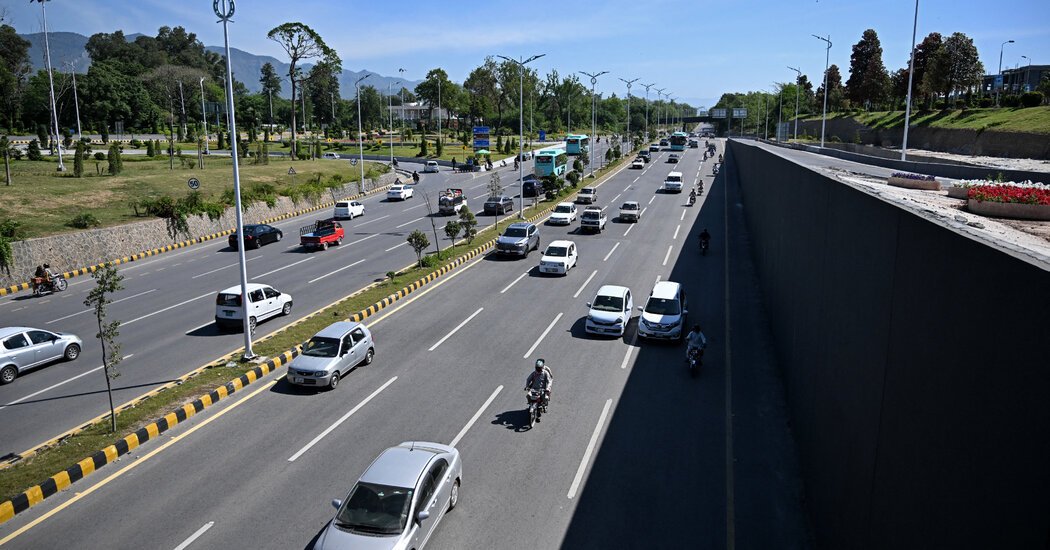
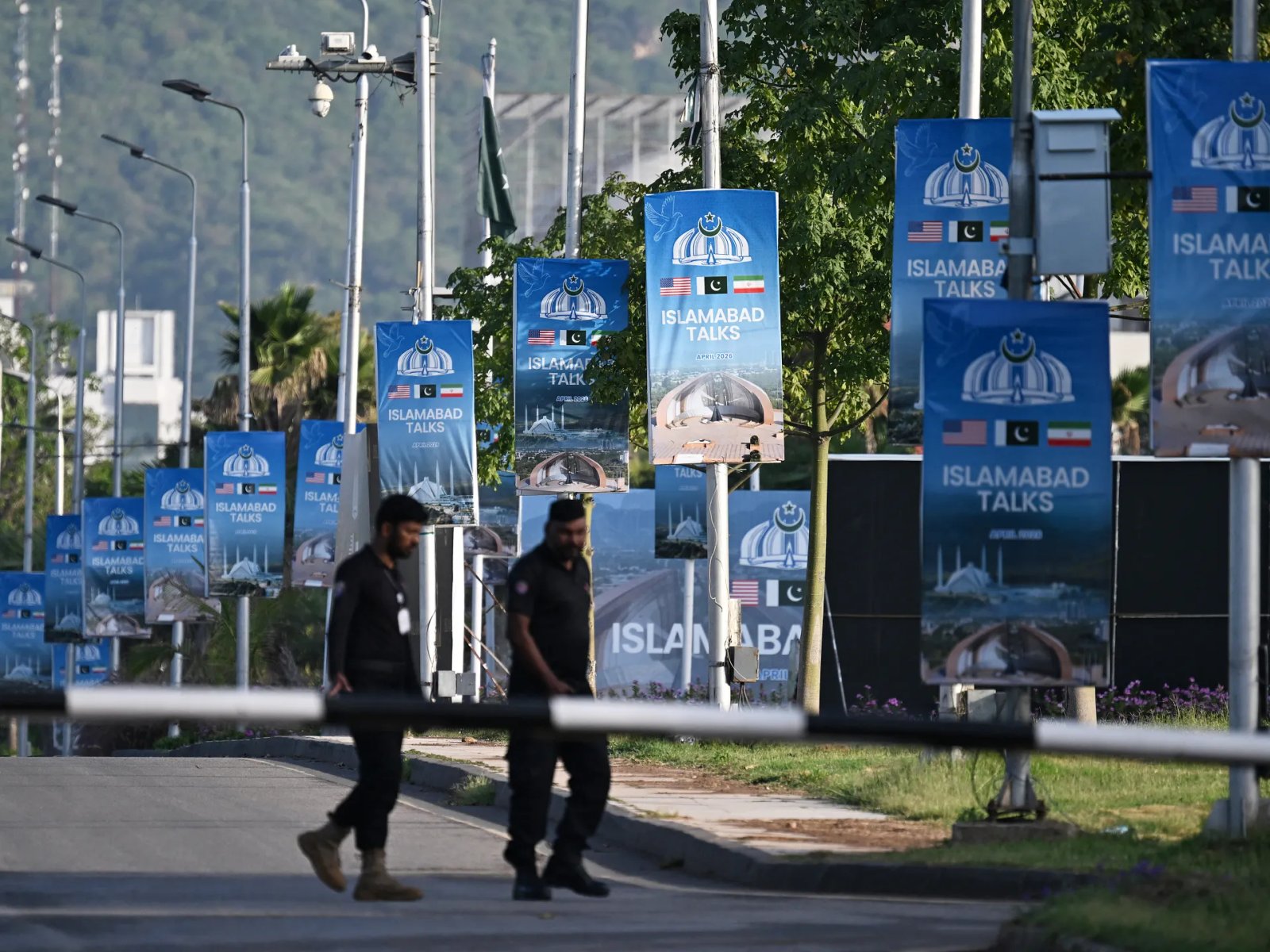
Residents of Islamabad, Pakistan’s capital, lived in a state of quasi lockdown for nearly a week as they awaited Iranian and U.S. negotiators who were expected to gather for high-level talks in their usually quiet city.
But the negotiators did not show up — at least not together.
As the city reopened on Sunday after President Trump canceled the American delegation’s trip to Islamabad, residents and business owners emerged from their barricaded neighborhoods and shuttered shops with a shared grievance: “We all had to close down — we all suffered for one thing that didn’t happen,” said Abdul Haq, a tea shop manager who said he had lost the equivalent of $1,800 in revenue. “What did I close my business for?”
Pakistan has positioned itself at the center of the mediation efforts between the United States and Iran, and its leaders have bent over backward to make Islamabad a convenient venue for talks.
They welcomed Vice President JD Vance and Iran’s Parliament speaker, Mohammad Bagher Ghalibaf, for negotiations in early April, and have since been pushing for a second round.
Last week, there was a possibility that Mr. Vance would make a return trip. This weekend, Steve Witkoff, a special envoy, and Jared Kushner, Mr. Trump’s son-in-law, were scheduled to represent the United States in Islamabad. And on Friday, Iran’s foreign minister, Abbas Araghchi, traveled to Pakistan to hold talks with the country’s leaders.
In preparation for it all, Pakistani officials emptied the luxury Serena Hotel, which had hosted the first round of talks. They again sealed off a two-mile perimeter around it, forcing thousands of private clinics, restaurants, offices and banks to close, with no compensation.
But on Tuesday, Mr. Vance canceled his trip after Iranian officials said they would not participate in negotiations unless the United States lifted its blockade of the Strait of Hormuz.
Then on Saturday, Mr. Araghchi left Islamabad before any U.S. officials arrived. Shortly after, Mr. Trump canceled Mr. Witkoff and Mr. Kushner’s trip.
It was the second no-show in less than a week for Pakistan.
“That a second round of talks did not take place was a disappointment for Pakistani mediators,” said Maleeha Lodhi, a former Pakistani ambassador to the United States and the United Nations. “But they see this as part of the fits and starts of a diplomatic process that is complicated and in which the two sides have no trust in one another.”
“It doesn’t mean the mediators will give up, as the diplomatic window has not been shut by Washington or Iran,” Ms. Lodhi added.
In the meantime, dozens of roads, schools and popular hiking trails snaking through the hills overlooking the city remained closed. With public transportation also interrupted, thousands of drivers were sent on unpaid leave.
The anticipated U.S.-Iran talks at the Serena Hotel also forced the European Union to relocate a two-day business event with hundreds of guests that was supposed to take place there.
Through a tight net of checkpoints encircling the city, police officers did not allow large trucks to enter, forcing sellers who supply Islamabad’s nearly 2.5 million residents to transfer their produce into smaller pickups. The extra travel raised transportation costs that had already surged because of fuel shortages caused by the blockade of the Strait of Hormuz.
“We feel humiliated,” Wali Khan, a wholesale peach seller, said at the city’s largest market.
Local officials periodically impose lockdowns in Islamabad to prevent political rallies or sit-ins organized by religious groups. Each episode has left behind a familiar imprint: blocked highways, shuttered businesses, suspended services.
But to face the same hardships over the diplomatic dance of two foreign nations has been harder for many residents to swallow, said Muhammad Tanveer, a motorcycle taxi driver who was waiting for clients under a tree near the Serena Hotel on Sunday.
The streets of the city were largely quiet, as if Islamabad had yet to emerge from the haze that had settled over it for a week. It made Mr. Tanveer bitter.
“You shut down the city and you get no results,” he said before racing off with a client who had just shown up.
Zia ur-Rehman contributed reporting.