dailynewsnblog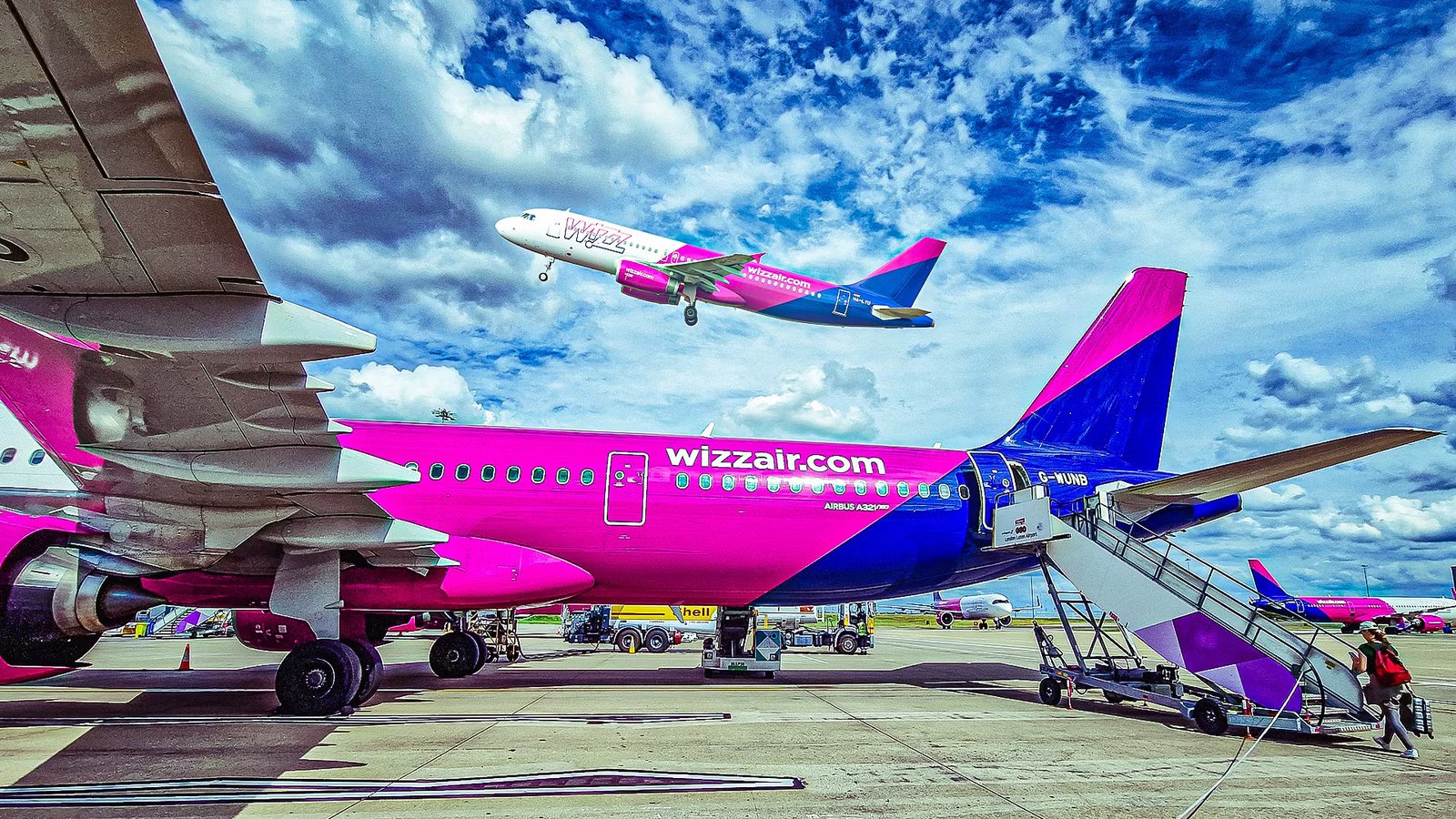
Outspoken Ryanair Chief Executive Officer, Michael O’Leary, is calling that two European carriers could fold by the end of the winter, with the ongoing fuel crisis continuing to affect airline bottom lines. O’Leary has pointed the finger at Hungarian ultra-low-cost carrier Wizz Air and Latvian airline airBaltic, suggesting that the airlines could diminish cash reserves by the winter.
In a report published by Il Sole 24 Ore, O’Leary has noted that Irish carrier Ryanair has already forked out an extra $50 million in jet fuel this month, and airlines are yet to feel the brunt of fuel shortages that could come as soon as May, with the ongoing tension in the Middle East and the blocking of the Strait of Hormuz.
Wizz Air And airBaltic Might Not Last Through The Winter

Airlines usually hedge prices of jet fuel with suppliers, and Ryanair did just that before the conflict took a firm grip on global fuel prices. Ryanair hedged 80% of its fuel for $67 per barrel, which is forecasted to last through until March next year. However, the remaining 20%, sitting at prices on the open market, have now soared to more than $150 per barrel.
For many airlines, these higher costs are unable to be sustained long-term, and this has seen dramatic increases in airfare ticket prices through additional fuel surcharges. O’Leary has suggested that these oil prices will lead to airlines going bankrupt before the end of winter, specifically calling out Wizz Air and airBaltic. His comments below:
“If oil stays at these levels, two or three European airlines in October or November could go bankrupt like Wizz Air, which wants to sue me but won’t have enough time to do so, and Air Baltic. A good thing for our business, because there will be fewer competitors.”
Conflict In The Middle East Is Hitting Airline Profits

One of the world’s most iconic budget carriers, Ryanair continues to dominate air travel in Europe, with the airline boasting that it plans to carry more than 216 million passengers this year, and forecasting to carry up to 223 million in 2027. However, since conflict began in the Middle East, the cost to operate has ballooned, and sent many airline bank balances into a tailspin.
The continued unrest in the region has seen the price of fuel rocket up, and airline share prices drop. O’Leary explained that the share price for Ryanair has dropped from €35 ($37) to €25 ($29). This could all change come May, when the supply of fuel could start to hamper flight operations.
O’Leary’s claims of Wizz Air and airBaltic having not hedged their fuel could see both carriers ‘exhaust’ their current fuel reserves by Q4, and if they run out of cash, this could see the airlines grounded, something Ryanair’s CEO is confident could happen. A snapshot of each airline’s operations below with data from ch-aviation:
|
Airline |
Headquarters |
IATA Code |
Fleet Size |
Notes |
|---|---|---|---|---|
|
WizzAir |
Budapest, Hungary |
W6 |
228 |
Data for Wizz Air Holdings, which includes Wizz Air, Wizz Air UK, and Wizz Air Malta |
|
airBaltic |
Riga, Latvia |
BT |
55 |
|
|
Ryanair |
Dublin, Ireland |
FR |
648 |
Data for Ryanair Holdings, which includes Ryanair, Ryanair Sun, Ryanair UK, Malta Air, Lauda Europe and Buzz |

UK ‘Most Vulnerable’ To Fuel Shortages As Ryanair Boss Warns Of Summer Cancellations
Airfares and cancellations could skyrocket if oil supplies remain throttled.
The United Kingdom Could Run Out Of Fuel

Countries across Europe are closely monitoring the fuel situation, and for the United Kingdom, it remains in one of the most vulnerable positions as it gets its fuel from Kuwait. Other European countries have a broader source of jet fuel, including West Africa, and other countries such as Norway, the United States, and Russia.
While O’Leary seems to have no filter, Wizz Air is less than impressed with the CEO’s recent comments, with the Hungarian carrier firing back that it has a sound financial structure and has current liquidity that would enable the airline to last 18 months or more, highlighting its firm stability. The airline has stressed it maintains strong relationships with lessors and manufacturers, which can allow the airline to continue operations and pursue its fleet strategy without interruption.
On the other hand, airBaltic recently had its credit rating lowered, as reported by S&P Global, suggesting the airline has a strained position despite a recent short-term loan from the Latvian government. For the airline, which has been reborn with the Airbus A220, the carrier is struggling to meet short-term financial obligations without support funding. The airline’s future could remain uncertain unless it can restructure its level of debt.