dailynewsnblog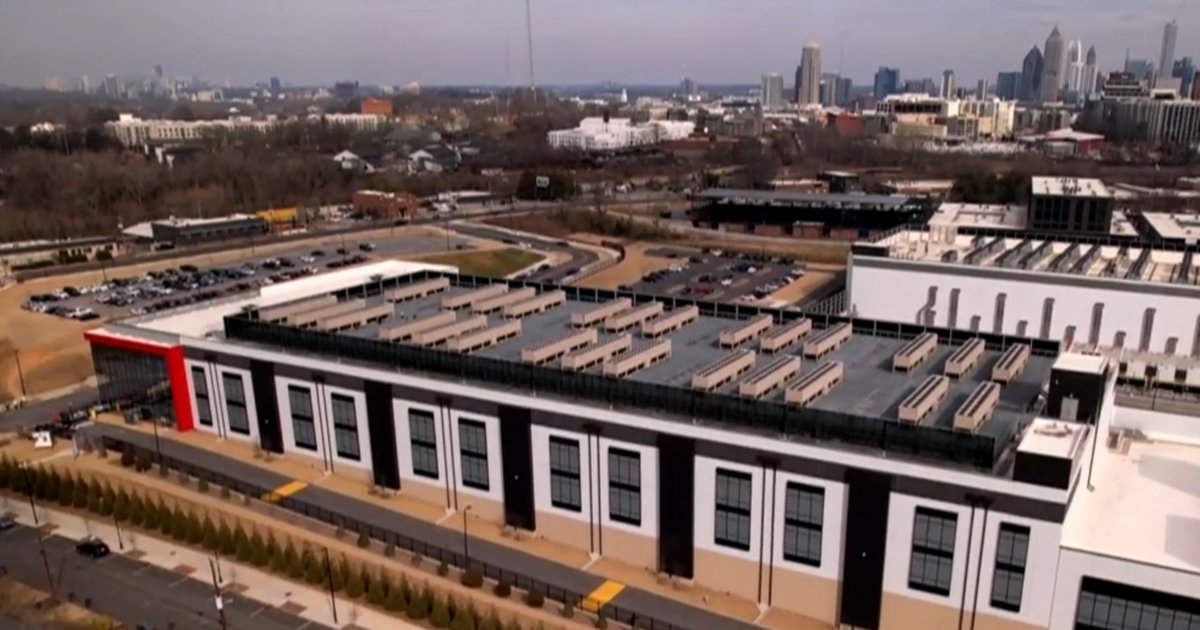
Atlanta — It is a sunny afternoon in Atlanta, Georgia, but inside Carolyn Kayne’s 3,000-square-foot home, it is cold.
“I’m walking around in a ski suit trying to stay warm in the winter,” Kayne told CBS News.
It is just one of the ways Kayne has tried to beat her skyrocketing electric bills, which have almost doubled in two years.
She has now turned off her heat and water, leaving much of her home hard to live in.
“I live in a little apartment in the back,” Kayne explains.
Patty Durand, founder of the nonprofit advocacy group Georgians for Affordable Energy says Carolyn’s situation is not unique.
“The average bill for an average customer used to be about $150 a month,” Durand said. “The average bill now is $225.”
A CBS News analysis found that Georgia Power, the largest energy provider in the state, imposed six rate hikes in the last three years.
During which time, the Vogtle nuclear power plant went online and Georgia saw a boom in data centers. Those data centers, Durand says, came to Georgia for discounted power.
The growing use of artificial intelligence has sparked a demand for data centers. And across the U.S., new data centers are driving up utility bills in at least 13 states, according to the Institute for Energy Economics and Financial Analysis.
Americans who live near data centers are paying as much as 267% more a month for energy than five years ago, a 2025 Bloomberg’s analysis determined.
This week, meanwhile, Maine Gov. Janet Mills vetoed a bill that would have made her state the first to ban construction of new data centers.
“I believe it necessary and important to examine and plan for the potential impacts of large-scale data centers in Maine, as the use of artificial intelligence becomes more widespread,” Mills said in a statement announcing her reasoning.
“Data centers will add billions of dollars to costs to electricity rates in Georgia if we don’t get better protection than we have right now,” Durand said.
Within the last year, Georgia Power announced a rate freeze and agreed to use revenue from large customers like data centers to lower costs for residents. Georgia Power denies passing the cost of data centers on to others.
“There is no no risk that residential customers will end up paying for the costs of this large growth, including data centers,” Aaron Mitchell, senior vice president for strategic growth at Georgia Power said.
But for Georgians like Kayne who are already taking extreme measures, it might be too late.
“I guess maybe it is time, you know, to give up my home,” Kayne said.