dailynewsnblog
Apple CEO Tim Cook announced this week that he’s stepping down from his position in September and handing the reins to John Ternus, currently the company’s senior vice president of Hardware Engineering and a 25-year employee.
This change had been telegraphed pretty far in advance, both by media reports (Bloomberg’s well-connected Mark Gurman flagged Ternus as a frontrunner in May 2024, and The New York Times gave him a glossy profile in January) and by Apple (when it announced the MacBook Neo last month, it was Ternus, not Cook, who delivered the prepared remarks).
I’ve been covering Apple for various outlets throughout Cook’s tenure as CEO, and I’ve been thinking a lot about how Apple has changed in the 15 years since he formally took over from an ailing Steve Jobs in the summer of 2011. Under Cook, the company has become less surprising but massively financially successful; some of Apple’s newer products have flopped or underperformed, but far more have become and stayed excellent thanks to years of competent iteration.
This isn’t a comprehensive list of everything Cook has done as CEO, but it’s my attempt at a big-picture, high-level summary and a snapshot of where Apple is now, to serve as a comparison point once Ternus kicks off his tenure.
Quiet hardware successes: Apple Watch, headphones, and more
Credit:
Apple
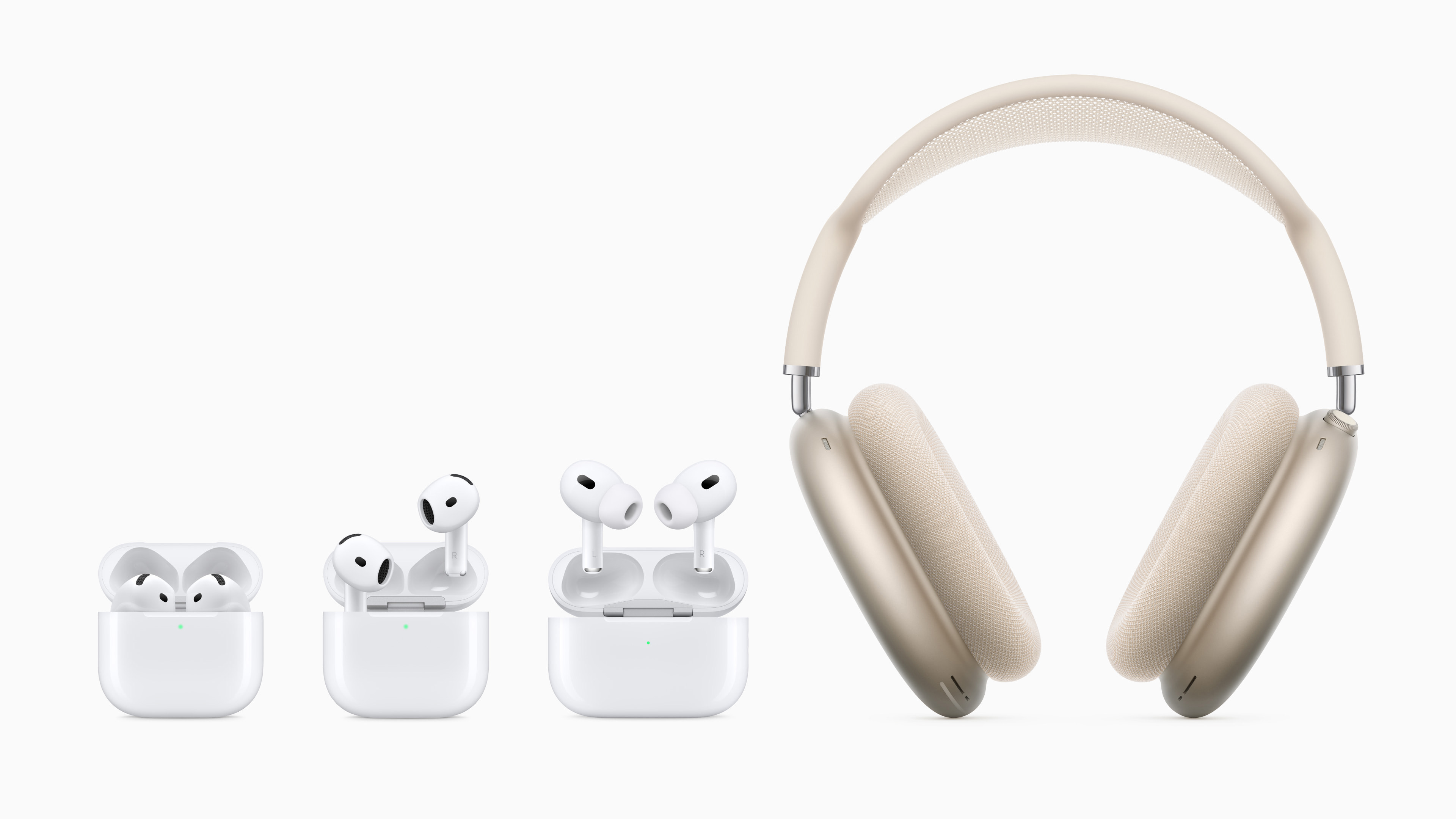
Some of Apple’s best, most successful all-new hardware under Cook have been accessories like AirPods and the Apple Watch.
Credit:
Apple
The Tim Cook era can’t lay claim to any single hardware announcement as important or far-reaching as the iPhone, the iPod, or even the iPad. Apple has definitely introduced good—even great—hardware in the last 15 years, though.
The main difference is that Apple products introduced during the Jobs era tended to belong at or near the center of your digital life. The Macintosh popularized the graphical user interface. The iPod was a constant musical companion on commutes, during workouts or study sessions, or when plugged into someone’s speaker at a party. The iPhone, obviously, became the most important personal computing device since the personal computer. And the iPad, as conceived by Jobs, was clearly intended to be a new kind of primary computing device (it was only under Cook that the iPad settled into its current in-betweener rut, computer-like but not computer-like enough to supplant the Mac’s mouse-and-pointer usage model).