dailynewsnblog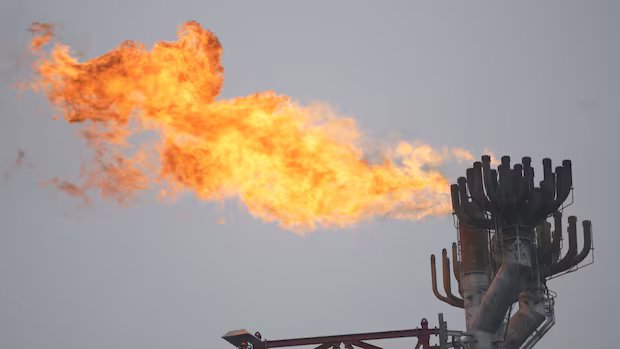

Listen to this article
Estimated 4 minutes
The audio version of this article is generated by AI-based technology. Mispronunciations can occur. We are working with our partners to continually review and improve the results.
LNG Canada has been told to identify the root cause of black smoke emissions during flaring at its facility in Kitimat, and implement a fix by October.
The B.C. Energy Regulator issued the order Wednesday, after an inspection revealed at least two instances where the company was not compliant with its permit, which limits the emission of black smoke.
Black smoke being released indicates materials are not being properly burned, the regulator said in the document.
According to the order, regulator staff found two flaring occasions that violated the permit on Jan. 6 and Jan. 7, during a February inspection.
On Jan. 6, LNG had black smoke emissions during non-emergency conditions for more than seven hours, and the next day, it emitted black smoke for over two hours.
The permit holder must run and maintain flares and incinerators so that they do not produce black smoke for more than a total of 15 minutes in any two hour period, even when there are temporary problems in the process, the order stated.
Black smoke also must not occur during normal operations, it added.

LNG Canada is required to report all instances of black smoke flaring that last 15 minutes or more, and a report identifying the underlying causes of the emissions along with measures to prevent it will need to be submitted by Aug. 15.
Prevention measures must be put in place by Oct. 15.
Calls for more monitoring
The order comes after a University of Victoria researcher obtained monthly air emissions reports filed by LNG Canada to the energy regulator, through a freedom of information request.
The documents show the volume of gas flared at the LNG Canada plant surpassed permitted limits between October 2025 and January.
Warm and wet flares exceeded permitted volumes by 45 times on average, cold and dry by 40 times, and storage and loading by five times.
Laura Minet, the researcher who obtained the documents, and local nurse Ankur Patel spoke at the time about their desire for a more comprehensive health impact assessment of the facility on local populations. They would also like to see more robust contaminant monitoring.
“I feel there is a large sense of concern living in the community, and a large need for more information to understand what’s really going on,” Patel said at the time.

Flaring gas towering high over Kitimat, B.C., is a regular sight as the Canada LNG export terminal — considered a nation building project — comes online. But as the CBC’s Terrace reporter Catherine Garrett shares, some locals are worried about its impact.
LNG Canada has posted seven community notifications about “unplanned flaring” so far this month, with the latest on Tuesday resulting in a height of about 10 to 15 metres.
It said a planned event would start Wednesday, resulting in intermittent flaring of about the same height and lasting until the weekend.
Company working to address concerns: LNG
In a statement, an LNG Canada spokesperson said the company was co-operating with the regulator.
“During commissioning and early operations, there has been intermittent periods of associated visible and black smoke due to incomplete combustion,” the email said.
“Our operators are trained to manage flare operations and are working to maximize combustion efficiency and minimize smoke,” it said.
LNG has previously told CBC News that increased flaring is considered normal during the facility’s early operations phase, and that it reduces significantly during normal operations.
It added that air quality data from monitoring stations in Kitimat show nitrogen dioxide and sulfur dioxide levels have been consistently low over the last year.
The B.C. Energy Regulator said air quality readings around Kitimat “have not indicated flaring is causing an immediate or imminent risk to public safety or the environment.” It said monitoring will continue.