dailynewsnblog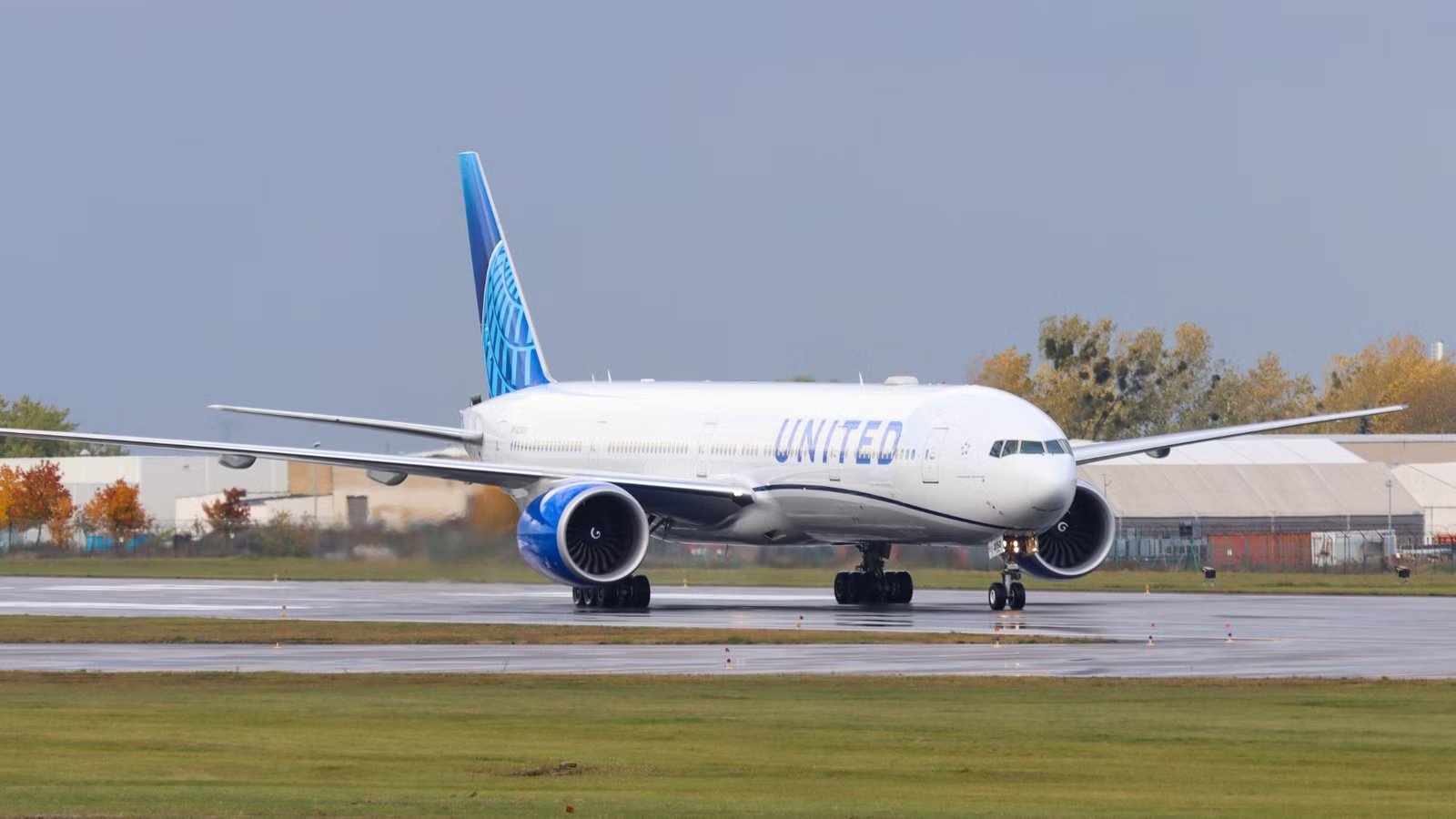
United Airlines is continuing to signal that summer airfares could rise sharply by as much as 15%-20%. This comes as the airline (among others in the industry) continues to grapple with a surge in jet fuel costs that have been driven by geopolitical tensions and continued disruption in the oil market. Executives say that higher prices are necessary to preserve margins, even as strong travel demand persists.
The legacy carrier has already implemented significant fare increases, baggage fee hikes, and modest capacity cuts, with further adjustments likely if fuel prices remain elevated. While demand has held so far, management acknowledges that sustained fare hikes could eventually test consumer willingness to pay, making this a critical balancing act between profitability and overall demand elasticity.
What Exactly Did The United Airlines CEO Say?

United Airlines’ CEO Scott Kirby did not leave much to the imagination in his latest warning about fare prices. He indicated that the airline would have to meaningfully escalate prices and that management is no longer just talking about margin pressure but a direct need to hike fares to offset higher fuel costs. He directly added in a discussion with Bloomberg:
“Ticket prices may have to go up by 20% if jet fuel prices remain elevated for longer.”
This statement indicates that United Airlines believes it has more than enough pricing power to pass through at least part of the fuel shock, even after already pushing through multiple fare increases and higher baggage fees. Despite this, the airline is already pulling back its profit outlook and trimming capacity. For travelers, the message is straightforward: if fuel prices remain high, elevated ticket prices into the summer will certainly follow.
What Does This Mean For United Passengers?

For United’s loyal customer base, this means that summer travel is likely to get quite a bit more expensive and potentially a bit less flexible. The airline has said that fares need to rise 15% to 20% if jet fuel prices stay high, and it has already pushed through multiple fare increases while also raising baggage fees. That ultimately means that travelers could face a broader increase in total trip cost, not just the base ticket price.
At the exact same time, United is trimming planned capacity for the rest of the year, which could mean fewer seats on some routes alongside higher load factors, as well as significantly less room for bargain fares or last-minute itinerary changes. This puts passengers, even those who book far in advance, in a rather tricky spot.
Ultimately, the near-term upside for customers is that demand appears quite strong, so schedules are really not going to collapse. Nonetheless, if fuel remains elevated, passengers will need to expect a more expensive peak travel season. This is especially true on popular summer routes.

United Is Growing Its Domestic Capacity At More Than 2x The Rate Of Its Competitors
The airline continues to expand capacity on key domestic markets.
Are Other Carriers Doing The Same?

United Airlines is not the only major carrier that is going to be hiking fares as a result of increasing cost pressures. Other carriers are responding to the same fuel shock, though not always with as explicit a public warning on fares as a whole. Delta has already been quick to pull its planned capacity growth, and the airline is aiming to recover 40 to 50% of the higher fuel costs in the current quarter, which strongly implies firmer pricing where demand allows.
 Alaska Airlines has also pulled its 2026 profit forecast because of fuel-cost uncertainty and curtailed growth planes. Much more broadly, analysts have described a pattern across the industry of airlines raising fares and cutting back on unprofitable flying. Airlines are cutting schedules in order to protect fuel margins as jet fuel continues to surge.
The main difference for us to observe is tone. United has been unusually direct in putting a possible 15% to 20% summer fare increase on the table. The broader industry trend is clearly similar, even if each airline is using slightly different language and relying on different mixes of fare hikes, fee increases, and overall capacity discipline.