dailynewsnblog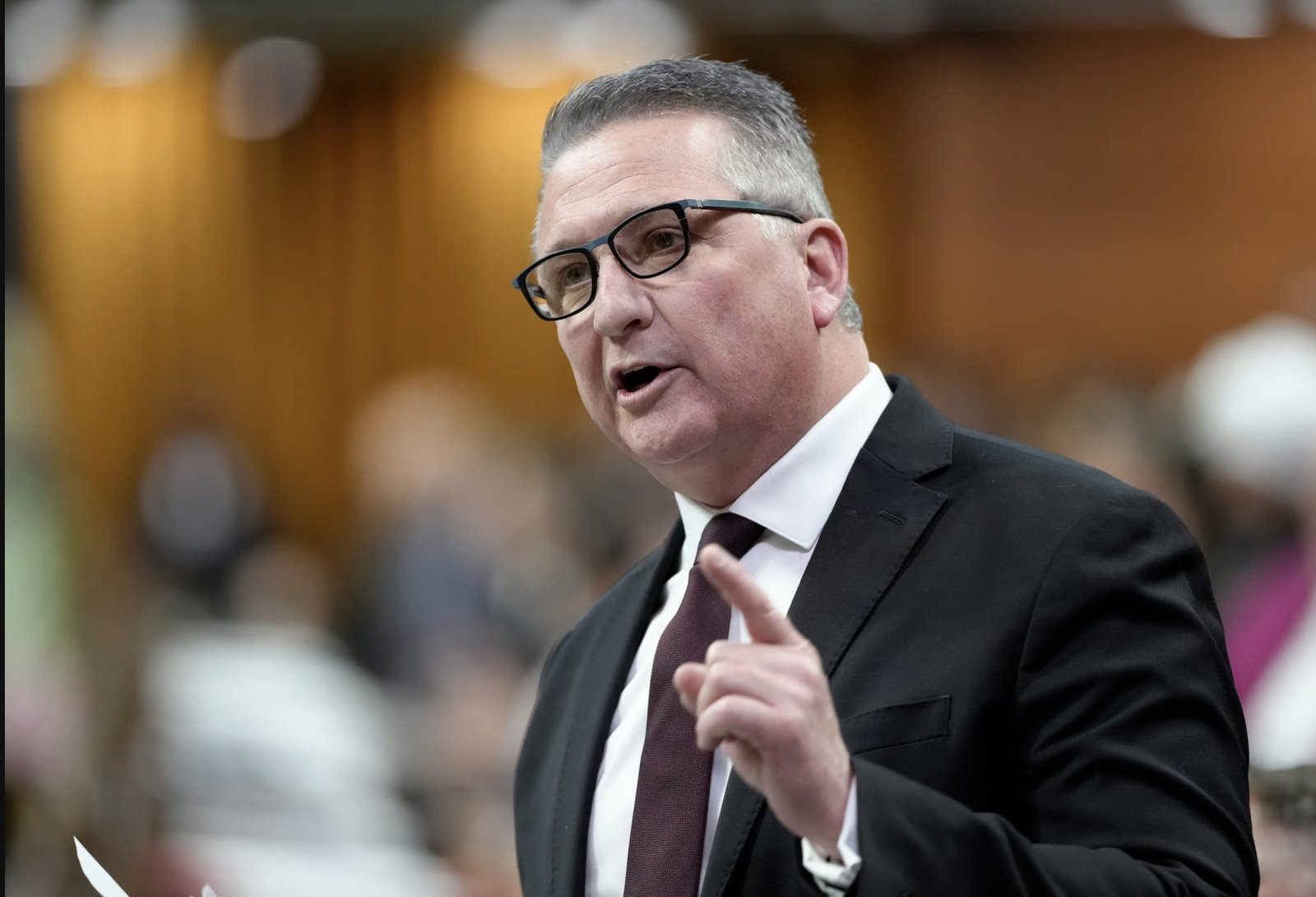
“In rural areas, municipalities might be able to do more than actually a province because of the demand on housing in central areas,” MacDonald said.
Ontario’s push to restrict foreign ownership of farmland is being framed as a bid for “food independence,” but comments from federal Agriculture Minister Heath MacDonald suggest the policy may also reflect a political reality: it’s often easier for provinces to act on foreign buyers than to tackle the more complex forces actually reshaping farmland.
Agriculture Minister Trevor Jones tabled legislation this Wednesday that will give Ontario the power to limit foreign purchases of farmland, aligning the province with jurisdictions like Alberta and Quebec. The proposal is part of the government’s Protecting Ontario’s Food Independence Act, 2026, which positions farmland as a strategic asset tied to long-term food security.
Jones has cast the move as a way to keep farmland in productive use and out of the hands of “overseas companies,” saying it will help “ensure that Ontario has a strong, independent food supply for generations to come.”
But MacDonald told iPolitics that the approach has some limits.
“I think, you know, if you could do it across the country, but it’s difficult,” he said, referring to the idea of broader restrictions on foreign ownership. While provinces can legislate in this space, he suggested the most consequential decisions about land use often happen elsewhere.
“In rural areas, municipalities might be able to do more than actually a province because of the demand on housing in central areas,” MacDonald said.
His comments highlight a central tension: while provinces like Ontario can move relatively quickly to restrict foreign buyers, a politically visible step already taken by several jurisdictions, the more significant pressures on farmland, particularly in southern Ontario, are tied to development decisions that are harder to control.
Foreign ownership restrictions have become increasingly common across Canada. Prince Edward Island, MacDonald noted, has long had strict rules in place, reflecting the importance of preserving farmland in a geographically constrained province.
But in Ontario, there is limited evidence that foreign buyers are a major driver of farmland prices. Analysts and sector groups have pointed instead to domestic speculation and the conversion of farmland for housing and infrastructure.
That’s reflected, indirectly, in the government’s own materials, which emphasize broader goals like “increasing sector resilience” and expanding agricultural opportunities in northern regions such as the Clay Belt.
MacDonald also pointed to alternative models of farmland ownership, including Canadian investment firms that partner with farmers to hold land over the long term, which is a sign that the issue is not solely about foreign capital, but about how farmland is valued and used.
Jones’ office didn’t reply to a request for comment by deadline.
Critics say the focus on foreign ownership risks sidestepping the more difficult policy choices around land use.
Green Party Leader Mike Schreiner called the proposed restrictions “a step in the right direction,” but argued they won’t address the ongoing loss of farmland in southern Ontario, where development pressures remain intense.
That dynamic aligns with MacDonald’s broader point: while restricting foreign buyers is within provincial control, managing the competing demands of housing growth and agricultural preservation is far more complicated, and often falls to municipalities navigating local pressures.
Ontario’s legislation is leaving key details, including the extent of any ownership limits, to future regulations.
Jones has framed the legislation as part of a “two-punch” strategy that also includes expanding agricultural production in northern Ontario. But critics argue the government has yet to confront the more immediate issue: the steady loss of prime farmland in the south.
A planned review of protected farmland in the Greenbelt was put on hold in early 2025, leaving uncertainty around long-term protections for some of the province’s most productive agricultural land.