dailynewsnblog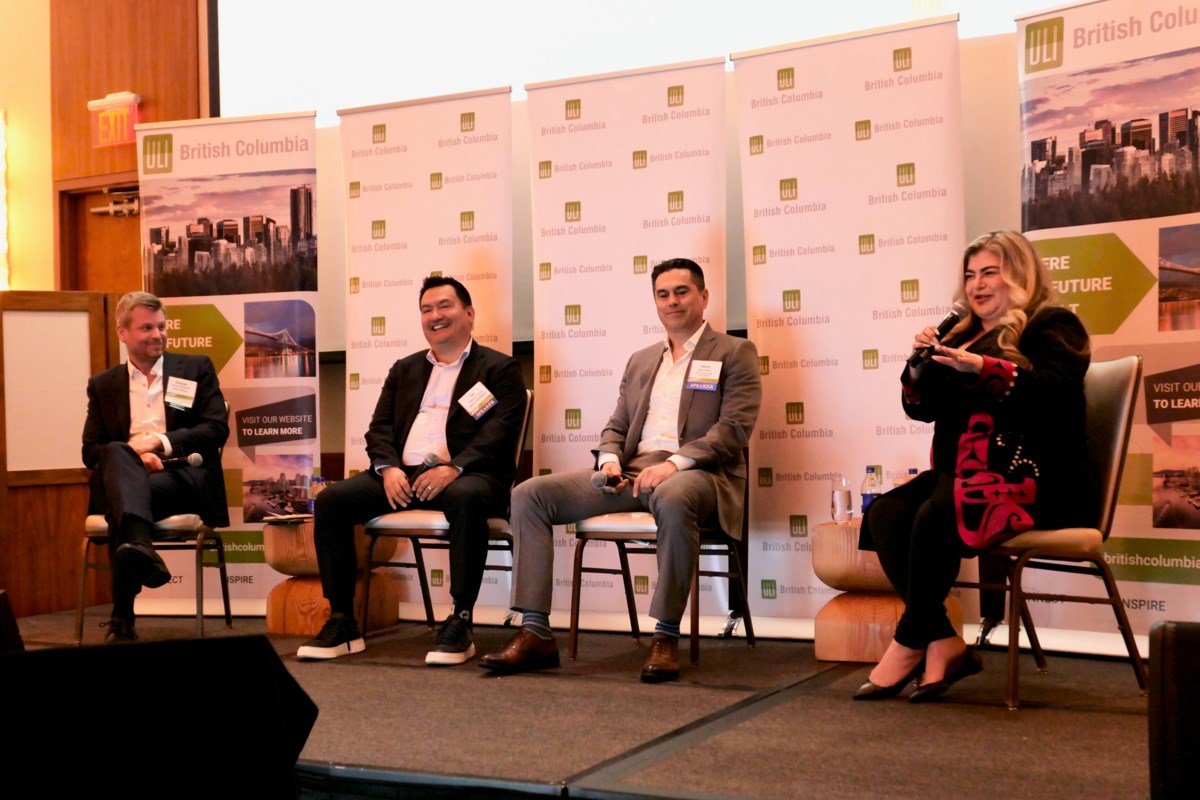

Premier David Eby’s retreat on pausing key parts of the Declaration on the Rights of Indigenous Peoples Act was the right thing to do, said one Indigenous lawyer.
“The provincial government has mishandled the Declaration Act situation, coming out and unilaterally wanting to make amendments and then pausing the legislation and have had to back off now because that’s the right thing to do,” said Aaron Bruce, a lawyer and member of the Squamish Nation.
“We’ve got to do it together, we developed the legislation together, now if there is going to be any changes, we’ve got to do that together,” he added. “So I’m happy that we’ve hit a place where we can have those discussions, but I think it’s really unfortunate that we had to start at a place being adversarial to lead up to this.”
Bruce also referenced the separate Cowichan court decision in his comments to Business in Vancouver after a Tuesday, April 21 panel discussion on Indigenous rights and title hosted by Urban Land Institute BC.
“I’m really hoping that through education, folks will start to understand that the private property rights are not going to be impacted, that it’s for the provincial, federal governments and the First Nations governments to now sit down and talk about how the two different property titles, Aboriginal title and fee simple title, can coexist together and find out some solutions on what that looks like,” he said.
Lawyer Celeste Haldane echoed the point that First Nations are not coming after private lands.
“I am calling on every political party to ensure that they are supporting reconciliation, supporting treaty-making, as well as informing their constituents that we are not coming after private lands, that private lands are never on the negotiation table in the treaty-making process, and we really need to sit together as neighbours and move forward together in a prosperous, well-meaning, well-intentioned, neighbourly way,” she told BIV.
Haldane decried the fear-mongering in today’s political discourse, saying even land acknowledgements are now becoming politicized.
“That’s being turned into an area where now, giving a … land acknowledgement now equates to First Nations want to take your entire property and the entire city or the entire town or the entire province. That’s not the case. We need to move beyond rhetoric and continue to work together on bettering our relationships,” she said.
Ian Campbell, a hereditary chief of the Squamish Nation, said it’s disheartening to see divisiveness becoming more prevalent, but the sentiment has always been there and the pendulum swings back and forth.
He cited residential schools, the inability to own private land and the banning of potlatch ceremonies as examples of how Indigenous people have been dehumanized for hundreds of years.
“Indigenous peoples aren’t here to come and do to Canadians what Canadians have done to Indigenous peoples by displacing us and abducting our children, forcibly confining them in internment camps known as residential schools,” he told BIV.
“We’re not vindictive in that manner, but we do seek justice.”
Campbell cited the distortion of wealth creation and wealth management resulting in significant economic inequality between Indigenous peoples and Canadians.
“We’re not here to take away people’s homes, we’re not here to displace them, even though the cumulative impact of privatization has had a huge cost to Indigenous people’s title and our own economic security and cultural and spiritual values [and] relations to our territories,” he said.
[email protected]
x.com/jamimakan
jamimakan.bsky.social