dailynewsnblog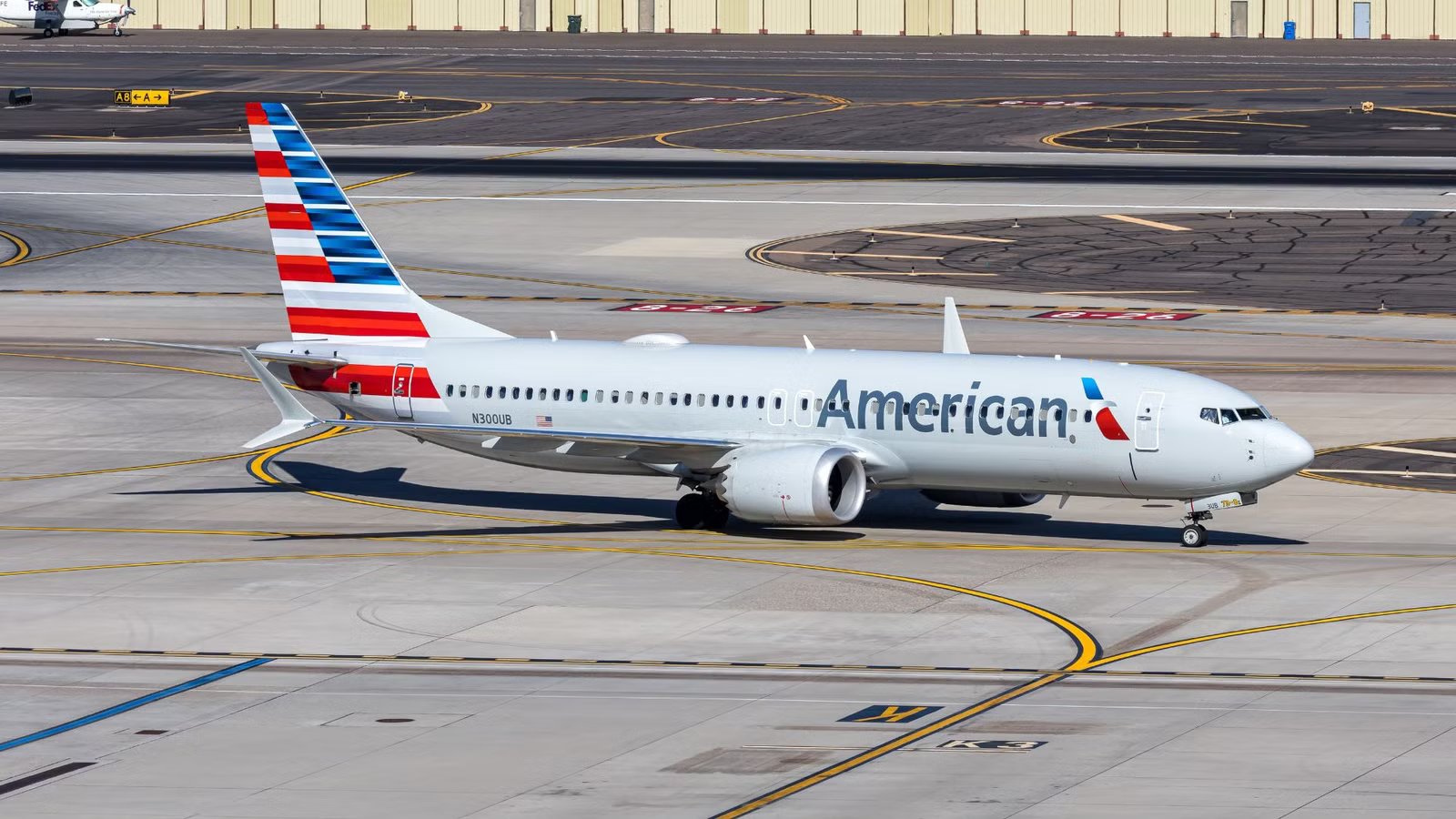
 American Airlines has reached a significant fleet achievement, taking delivery of its 100th Boeing 737 MAX aircraft. The achievement highlights the carrier’s continued investment in modernizing its narrowbody fleet. The milestone was marked hot on the heels of the airline’s 100th anniversary, underscoring the airline’s long-term commitment to efficiency and network growth. The aircraft will be deployed across the airline’s domestic and short-haul international routes.
This development reflects a broader industry shift toward newer, more fuel-efficient aircraft. American Airlines has been steadily integrating the 737 MAX into its operations as part of its fleet renewal strategy. The milestone also comes as demand for air travel continues to recover and expand globally. Readers can expect insights into the operational, financial, and strategic implications of this achievement.
American Airlines Reaches 100 Boeing 737 MAX Aircraft Milestone

American Airlines’ 100-aircraft milestone with the 737 MAX is among the largest globally. Today, the airline took delivery of its 100th aircraft of the type, registered as N324VL, marking a key moment in its fleet modernization efforts. The carrier now has just three additional 737 MAX 8s on order, all expected to be delivered within the year. The airline’s current mainline fleet stands at 1,024 aircraft, underscoring its scale and ongoing investment in next-generation jets.
The airline primarily operates the 737 MAX 8 variant, which offers improved fuel efficiency and lower operating costs compared to older models. This efficiency supports both cost control and environmental goals, reducing emissions per passenger while enhancing scheduling flexibility across high-demand routes. The addition of these aircraft allows American Airlines to retire older jets gradually, contributing to a more standardized fleet and strengthening its competitive position. This ongoing investment in next-generation aircraft reflects the carrier’s broader emphasis on innovation and long-term growth. Robert Isom, CEO of American Airlines, said:
“There’s no brand in aviation more iconic than American, built on a culture of innovation and forward-thinking.”
How The 737 MAX Strengthens Fleet Efficiency And Network Growth

The Boeing 737 MAX program has undergone intense scrutiny in recent years, following global groundings earlier in the decade. Since its service return, airlines like American have gradually rebuilt confidence in the aircraft. Enhanced safety measures and regulatory oversight have played a key role in restoring trust. As a result, deliveries have resumed at scale, supporting airline expansion plans.
For American, the 737 MAX is central to its domestic network strategy. The aircraft’s range and efficiency make it ideal for both transcontinental routes and shorter regional flights. Its modern cabin design also improves the passenger experience, with quieter engines and updated interiors. These factors contribute to higher customer satisfaction and operational reliability.
Additionally, the airline’s investment aligns with broader sustainability goals across the aviation sector. Newer aircraft like the 737 MAX burn less fuel and produce fewer emissions than previous generations. This supports industry-wide efforts to reduce carbon footprints while maintaining profitability. The milestone, therefore, reflects both economic and environmental priorities.

Keep Them Coming: American Airlines’ Boeing 737 MAX 8 Fleet To Reach 88 Examples By Year’s End
Just a few days ago, the airline welcomed its newest 737 MAX 8, bringing the total number of this aircraft in its fleet to 85.
What This Milestone Means For American Airlines’ Future Strategy

American Airlines is not alone in expanding its 737 MAX fleet, as several global carriers continue to increase orders. The aircraft remains a key competitor to the Airbus A320neo family in the narrowbody market. Both manufacturers are working to meet strong demand as airlines prioritize efficiency and cost savings. Supply chain constraints, however, remain an ongoing challenge affecting delivery timelines.
Looking ahead, American Airlines is expected to continue taking deliveries of additional 737 MAX aircraft. These will further replace aging models and support network growth in key markets. The airline’s long-term fleet strategy includes balancing narrowbody and widebody aircraft to optimize capacity. Continued investment in modern aircraft will likely remain a cornerstone of its operational planning.
Overall, the 100-aircraft milestone highlights a significant step in American Airlines’ modernization journey. It underscores confidence in next-generation aircraft and signals continued growth in the aviation sector. While challenges remain, the trajectory points toward a more efficient and sustainable future for airline operations.