dailynewsnblog
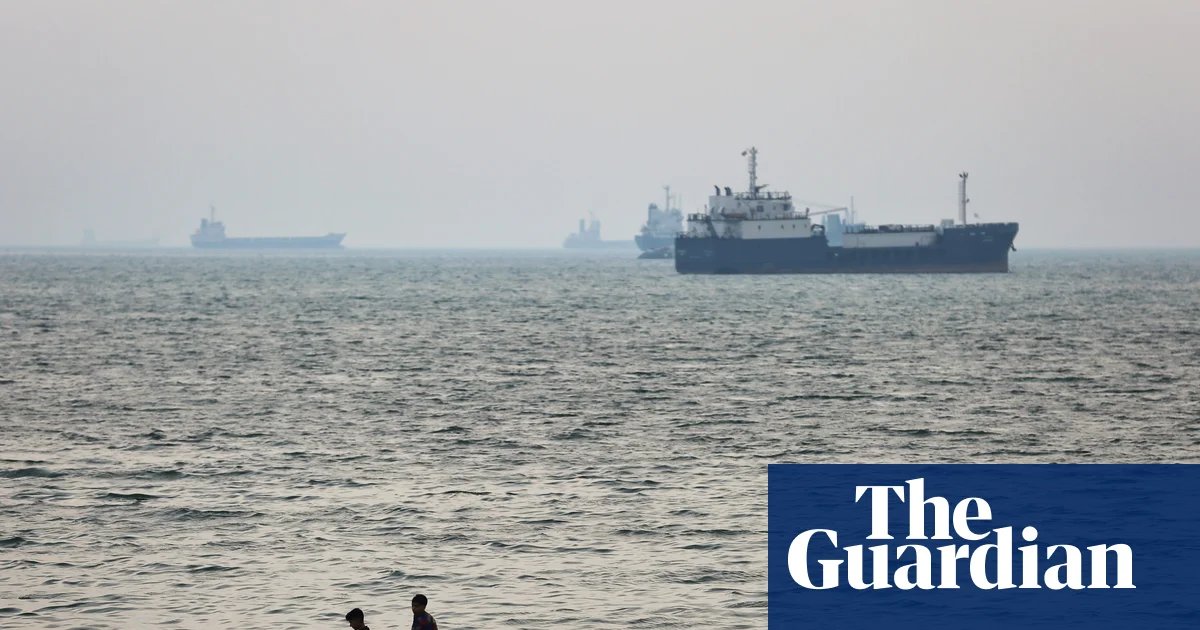
The American/Israel bombing of Iran and the subsequent closing of the Strait of Hormuz has sent shockwaves around the world, particularly to places that consume fossil fuels. Indeed, the energy disruption is so severe that a global recession is inevitable and that countries the world over are rethinking their commitment to burning fossil fuels.
Not Just Bikes takes a look at the current, and growing, oil shortage through the lens of how cities improve when the costs of oil increases. He looks at the last major oil crisis in the 1970s and how different parts of the world reacted. Spoiler: modern Amsterdam exists in part thanks to the high cost of oil. Governments change policies and laws to reduce reliance on oil and promote good urban design that puts people as the priority rather than cars.
There are things you can do right now to reduce your oil consumption to save money and the planet, and maybe even reduce the American desire to invade countries for oil. You can ride a bike, get solar panels, use an electric stove, and so much more!
Of course, if governments allocated subsidies to renewables and away from fossil fuels then we wouldn’t be in this position at all. People don’t go to war over sunshine.
Related