dailynewsnblog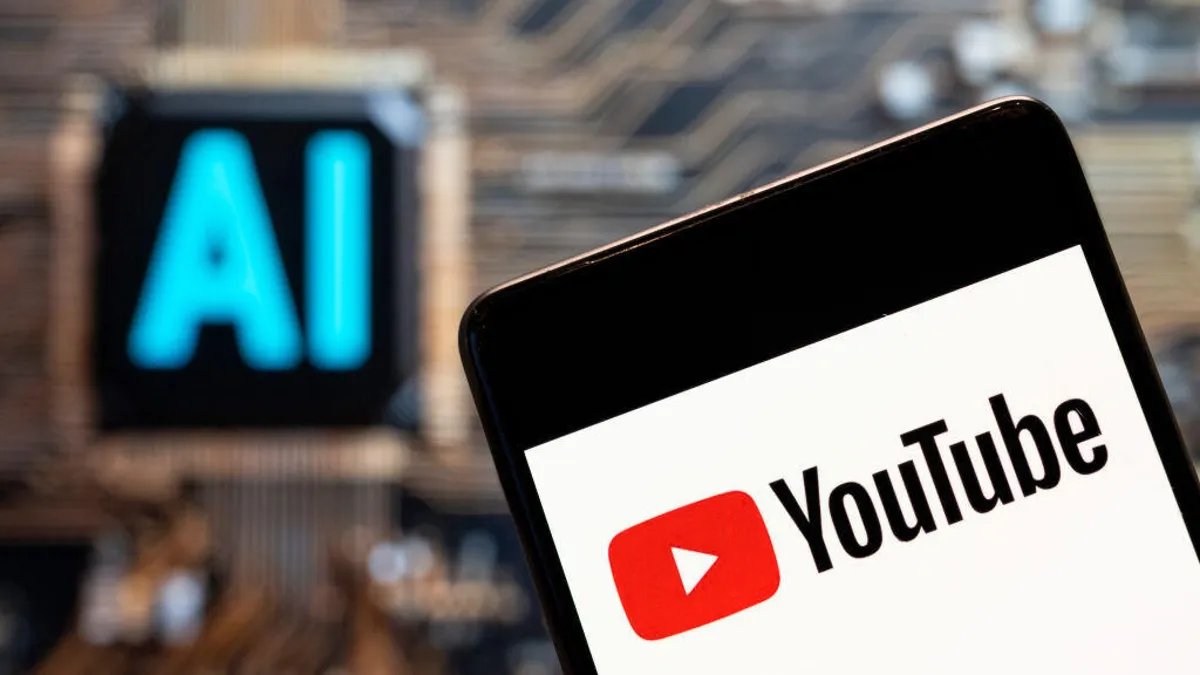
YouTube, the world’s largest video-sharing platform, is ready to help celebrities crack down on AI-generated deepfake videos, according to The Hollywood Reporter. The Google-owned website is sharing a deepfake detection tool it has been fine-tuning over the past two years, granting access to celebrities at high risk of having their likenesses copied in AI-generated media.
A Google representative did not immediately respond to a request for comment.
As AI tools have made it increasingly easy to use famous likenesses in user-generated videos, Hollywood has waged war on the biggest video generators. Actors and major studios have aligned against major offenders, like OpenAI’s recently deceased Sora and ByteDance’s SeeDance 2.0 app. But despite increasing pressure from the rich and famous, deepfakes continue to proliferate through AI video-generation prompts.
(Disclosure: Ziff Davis, CNET’s parent company, in 2025 filed a lawsuit against OpenAI, alleging it infringed Ziff Davis copyrights in training and operating its AI systems.)
The deepfake-detecting tool from YouTube aims to curb this trend, at least on its own video platform. The tool works similarly to YouTube’s Content ID, which automatically identifies and flags copyrighted content uploaded to the website’s servers.
To opt in to the program, a celebrity (or their agent) must upload their likeness to the deepfake detector tool, which scans the site’s content and flags potentially offensive AI-generated material for review. Affected individuals won’t need a YouTube account to take action if they find unauthorized deepfake videos using their likenesses.
Though the company may remove offending content from the website if asked to do so, there’s no guarantee that every flagged video will be taken down.
“There are a number of cases, like parody and satire, where our community guidelines would allow that to remain on the platform,” Mary Ellen Coe, YouTube’s chief business officer, told The Hollywood Reporter. “If someone is doing an exact replica of something that would limit the livelihood of a celebrity, an actor or a creator, because it’s literal content replacement, that would be included in a takedown.”
Politicians were first, now entertainers can use it
This tool isn’t completely new — YouTube began its rollout last year, testing its implementation with some of the biggest creators on the website. A couple of months ago, the tool became available to politicians.
This is the widest rollout yet, as YouTube expands its user base to include actors, athletes, musicians and other celebrities whose likenesses are used in AI-generated videos.
According to The Hollywood Reporter, YouTube executives said that many creators removed a small portion of flagged content during the pilot program for the deepfake detection tool, predominantly focusing on negative or disparaging media.
Coe hinted at a future in which rightsholders may choose to monetize AI-generated media rather than take it down, but said that isn’t currently planned for the YouTube platform. The company’s current focus is the “foundational layer of responsibility and protection” for celebrities and their likeness, she said.