dailynewsnblog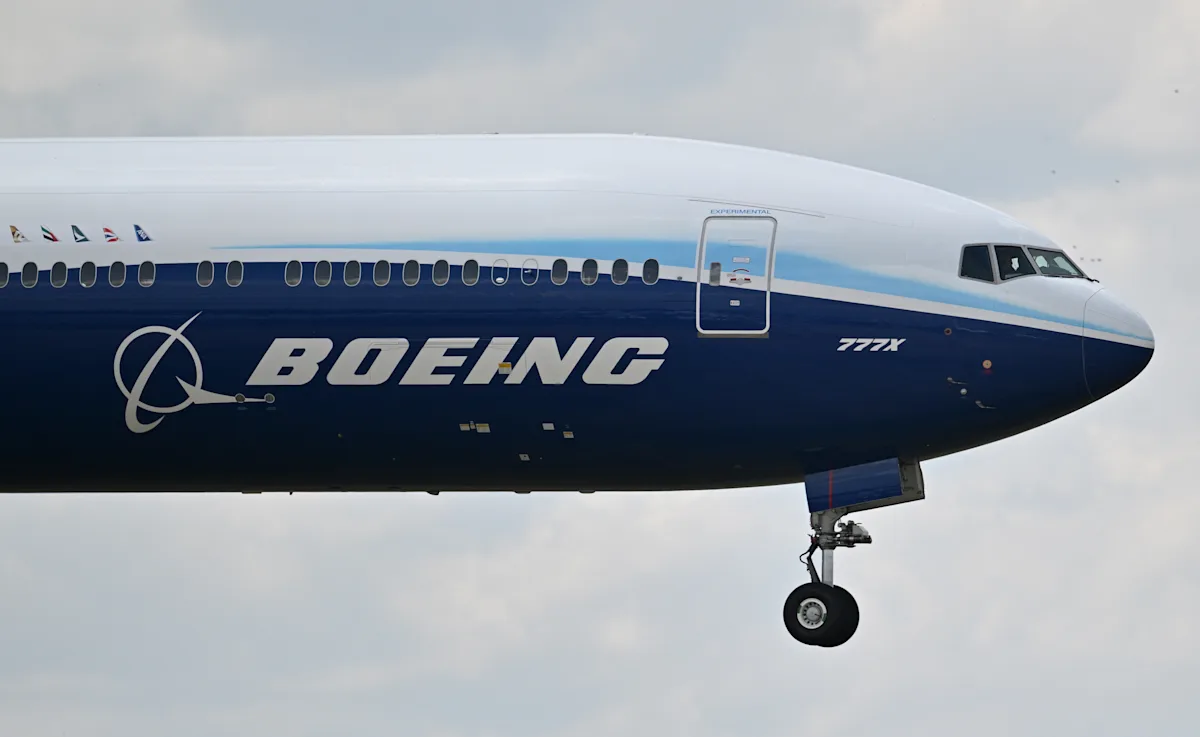
Boeing (BA) is set to release first quarter earnings before the opening bell on Wednesday. Investors will be watching closely to see how the turnaround plan is unfolding, with the company’s improving production output a key factor.
Boeing is expected to report revenue of $21.79 billion, according to Bloomberg consensus, up nearly 12% year over year. The aviation giant’s adjusted (or core) loss per share is estimated at $0.76.
Aside from the headline numbers, the metrics that matter most right now are deliveries, cash burn, and whether Ortberg’s turnaround playbook is holding.
Read more: Live coverage of corporate earnings
Importantly, Boeing is expected to post negative adjusted free cash flow of $2.61 billion, along with negative operating cash flow of $1.76 billion, meaning there is still some work to be done.
But Boeing offered a bright spot last week when it reported 143 commercial aircraft deliveries for the quarter — up compared to the 130 delivered a year ago, and steadily improving since the Alaska Air door plug blowout in early 2024.
Boeing also out-delivered Airbus for the first time since approximately 2019, besting the European giant’s 114 deliveries.

Boeing CEO Kelly Ortberg testifies before a Senate hearing in the wake of a January 2024 mid-air emergency involving a new 737 MAX, on Capitol Hill in Washington, D.C., April 2, 2025. (REUTERS/Ken Cedeno)
· REUTERS / REUTERS
The workhorse 737 MAX accounted for 114 of Boeing’s 143 commercial shipments — roughly 80% of total output. Widebody deliveries came in at 29 jets, comprising fifteen 787 Dreamliners, eight 777s, and six 767s.
The company has confirmed a sustained production rate of 38 MAX aircraft per month as of late March, with Ortberg signaling incremental rate increases at five-per-month intervals. A fourth 737 assembly line is expected to open at Boeing’s Renton, Wash., assembly plant this summer, potentially pushing combined narrowbody output toward 53 aircraft per month by the end of the year.

When Ortberg took the helm in 2024, Boeing was still reeling from a safety crisis, a crippling machinists’ strike, and years of quality and production missteps. Since then, Ortberg’s priorities have been to improve conditions and morale on the factory floor, repair trust with regulators and customers, and flip the company back to cash flow positive.
The company has guided to positive free cash flow of $1 billion to $3 billion for full-year 2026, with analysts on average modeling for adjusted free cash flow in the $2.24 billion range.
In January, Boeing reported its backlog grew to a record $682 billion, including over 6,100 commercial airplanes, indicating global demand for air travel still remains high despite soaring fuel costs and overall inflation stemming from the US-Israeli war with Iran.