dailynewsnblog
You don’t exactly need to know the deepest secrets of the airline industry to be aware of the fact that the aviation sector is currently wrestling with the impacts of a pilot shortage. There are various factors at play, including the relatively low mandatory retirement age for pilots and the amount of time and money that student pilots have to spend to qualify, and the imbalance between these factors and the increased demand for flight crew.
With this in mind, it is imperative that flight schools are able to sustain strong enrollment levels in order to feed this pipeline. In the US, it is possible for foreign workers holding H-1B visas, which allow them to move to America to work in specialized jobs, to attend flight school on a part-time basis alongside their full-time employment. However, recent social media discourse has raised concerns that changes could disrupt the pilot pipeline.
Visa Changes Could Disrupt The Pipeline Of New Pilots

According to The American Bazaar, the debate over H-1B visa holders undergoing flight training erupted on social media over the weekend, when an X user described H-1B holders’ ability to attend flight school as a “high-level aviation public safety concern [that] shouldn’t be allowed.” They even went as far as to argue that “public lives are on the line,” despite the fact that aviation is, of course, a safety-driven industry with tight restrictions.
Regardless of pilot licenses only being given to those who pass the necessary training, the prospect of H-1B visa holders transitioning to full-scale commercial flying is said to be very rare, due to the lack of sponsorship opportunities. However, with the social media discourse resulting in anti-immigration rhetoric, The American Bazaar notes that, if this debate were to result in visa changes, it could disrupt the global pilot pipeline, as those who train in the US often end up flying for airlines elsewhere:
“Even minor regulatory shifts or public controversies can delay training timelines or deter prospective applicants altogether. (…) Uncertainty, rather than outright policy change, frequently has the most immediate impact.”
The Pilot Shortage By The Numbers

Further disruption to the pilot pipeline would, of course, have the potential to result in serious consequences as far as the ongoing shortage of flight crew is concerned. This is one of the biggest challenges that the aviation industry is currently facing, with the sheer scale of it made evident by the numbers involved.
For instance, last month, Epic Flight Academy reported that, in the US alone, the aviation industry will require some 120,000 new pilots in the next 20 years. This works out at an average of 6,000 a year, 500 a month, or 16-17 newly qualified members of flight crew every single day. Can such growth truly be sustainable?
The situation in the US is mirrored when we examine the pilot shortage on a global level. Indeed, CAE reported last year that, across the world, 300,000 new pilots will be required over the next decade: of these, 156,000 would be replacing outgoing members of flight crew, while 144,000 would be the amount needed to handle the projected growth in the industry. However, Oliver Wyman expects a worldwide shortfall of 80,000 pilots by 2032.

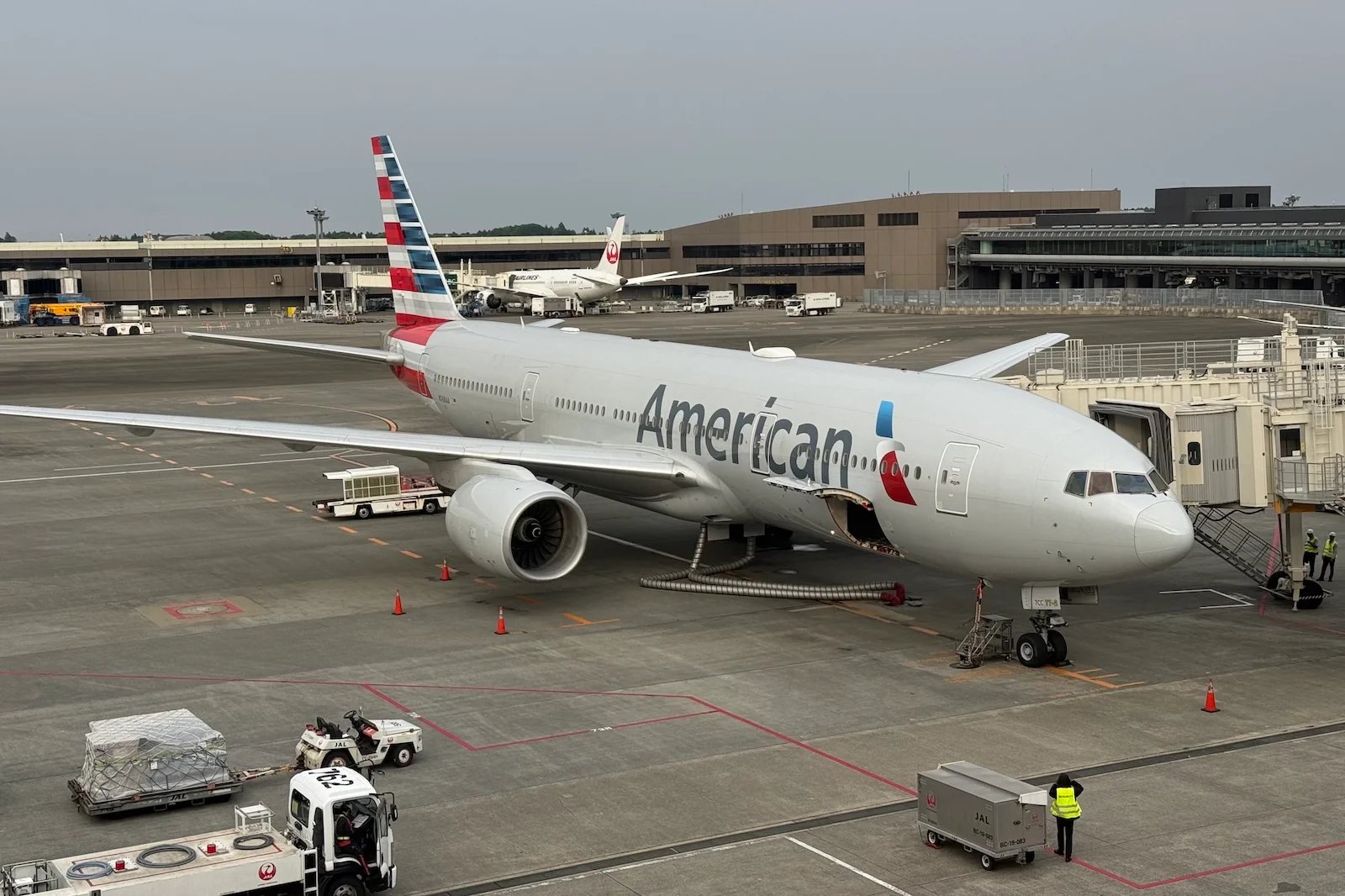
American Airlines Becomes One Of The Largest Users Of The H-1B Labor Program In Texas
According to the H-1B Salary Database, for 2024, American Airlines filed 165 applications for a wide range of roles.
Would Raising The Mandatory Retirement Age To 67 Help?

Many industry analysts are of the opinion that the mandatory retirement age of 65 years old is contributing to the current shortage of pilots working in the commercial aviation sector. For instance, Epic Flight Academy notes that around 2,500 pilots a year retire in the US alone. If these outgoing flight crew members can’t be replaced at the same rate at which they are having to leave the profession, this will naturally lead to a deficit in the workforce.
With this in mind, various groups and stakeholders have begun lobbying to raise the mandatory retirement age for pilots by two years, from 65 to 67, in recent times. This, they said, would help to stem the flow when it comes to the pilot shortage, by giving airlines and flight schools more time to get more pilots trained up, and replace the outgoing ones at a healthier rate. The last change came in 2006, when the limit was raised from 60 to 65.