dailynewsnblog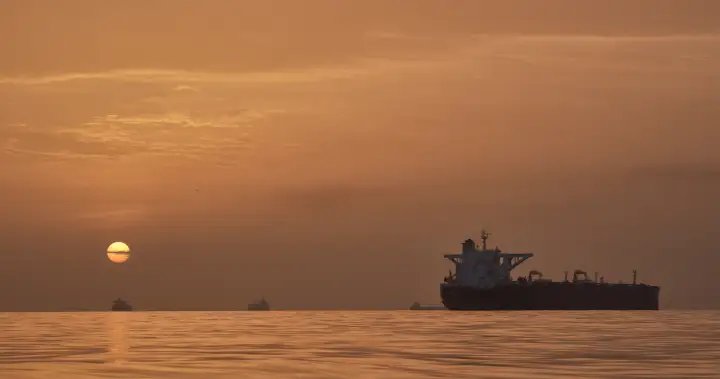
The ceasefire in the Iran war hangs in the balance as Pakistan’s capital stands prepared for possible new talks between Tehran and Washington.

As of right now, the two-week ceasefire will expire at 0000 GMT Wednesday (8 p.m. ET Tuesday.)
But the truce between Iran, Israel and the United States started after multiple deadlines posed by U.S. President Donald Trump that threatened Iran’s very “civilization” at one point. Further delays or sudden changes likely will be the norm leading up to the deadline.
Serious challenges face the talks that may be held in Islamabad ahead of the ceasefire’s expiration about the future of the Strait of Hormuz, Iran’s nuclear program and other issues.
Meanwhile, Iran targeted ships in the strait over the weekend. The U.S. also attacked and boarded one Iranian vessel that tried to outrun the American naval blockade in the strait — signaling that the situation remains volatile and a resumption of the war isn’t out of the question.
Here’s what to know about where the ceasefire stands, the possible talks in Pakistan and other issues surrounding the war.

Ceasefire deadline approaches
The ceasefire in the war began April 8, though Iranian attacks targeted Gulf Arab states and Israel after it had started.
Another mysterious attack struck an Iranian oil refinery on an island as well that afternoon.

Get breaking National news
Get breaking Canada news delivered to your inbox as it happens so you won’t miss a trending story.
However, it is has broadly held. The two-week deadline means it will expire April 22 without any extension agreed to by parties, either overtly through public messaging or through allowing it to pass without directly resuming hostilities.
But risks remain, particularly if there’s isn’t any diplomatic agreement reached in the meantime.

An earlier round of negotiations between Iran and the U.S. was held in Pakistan from April 11 into the early morning the following day.
U.S. Vice President JD Vance took part in the highest-level talks between America and Iran since the 1979 Islamic Revolution, which ended without an agreement. Since this weekend, authorities in Islamabad have made preparations similar to those that accompanied the first talks, suggesting another round loomed.
The White House has said that Vance would be returning to Islamabad for a new round of talks in the coming days with envoys Steve Witkoff and Jared Kushner. But so far, neither Iran or the U.S. have sent a delegation into Pakistan.

Strait of Hormuz effectively shut
The Strait of Hormuz, the narrow mouth of the Persian Gulf through which 20 per cent of all natural gas and oil passes, remains effectively closed over Iranian attacks in the waterway. That included some attacks Saturday.
There’s also a fear that Iran mined a portion of the strait used by transiting ships during peacetime. Since the war, Iran reportedly has been charging as much as US$2 million a vessel to allow them to pass.
Opening the strait remains a key focus of negotiations and Tehran’s strongest leverage against Washington, particularly as countries around the world have begun rationing energy and warning of shortages of jet fuel.
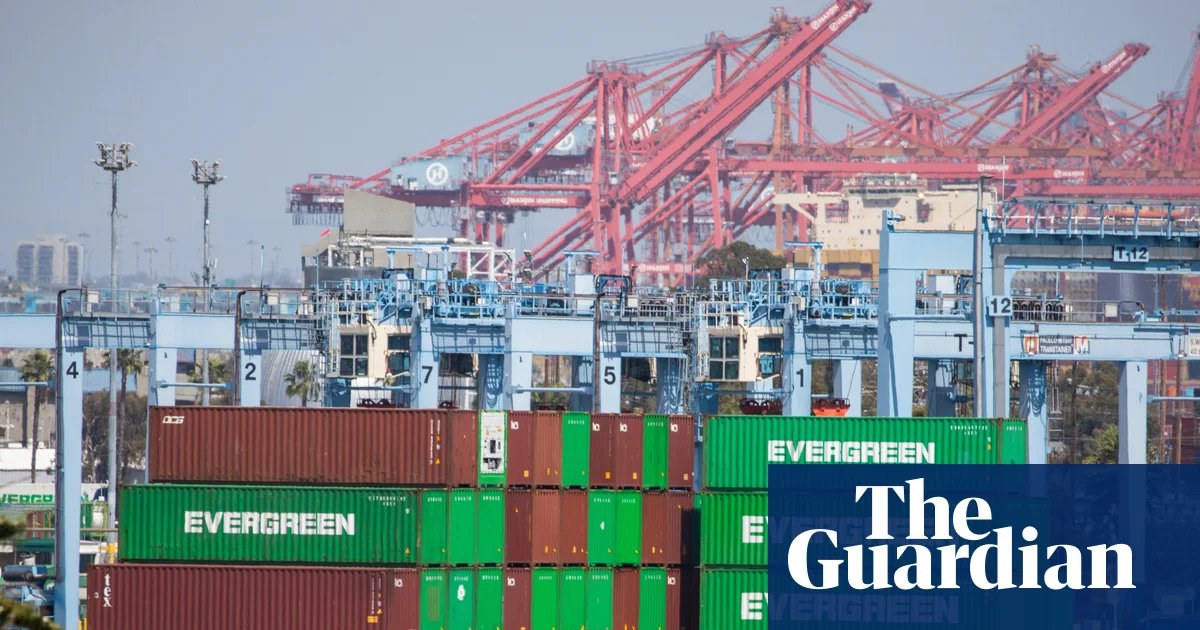
The U.S. Navy attacked an Iranian container ship that tried to run its blockade of the strait this weekend, with Marines rappelling onto it from helicopters.
All of Iran’s highly enriched uranium remains in the country, likely entombed at enrichment sites bombed by the U.S. during a 12-day war last June.
Iran hasn’t enriched since then but maintains it has the right to do so for peaceful purposes and denies seeking nuclear weapons. Trump, along with Israel, has called for Iran to completely dismantle its nuclear program and give up its stockpile. Iran rejected that in its 10-point proposal for ending the war.
© 2026 The Canadian Press