dailynewsnblog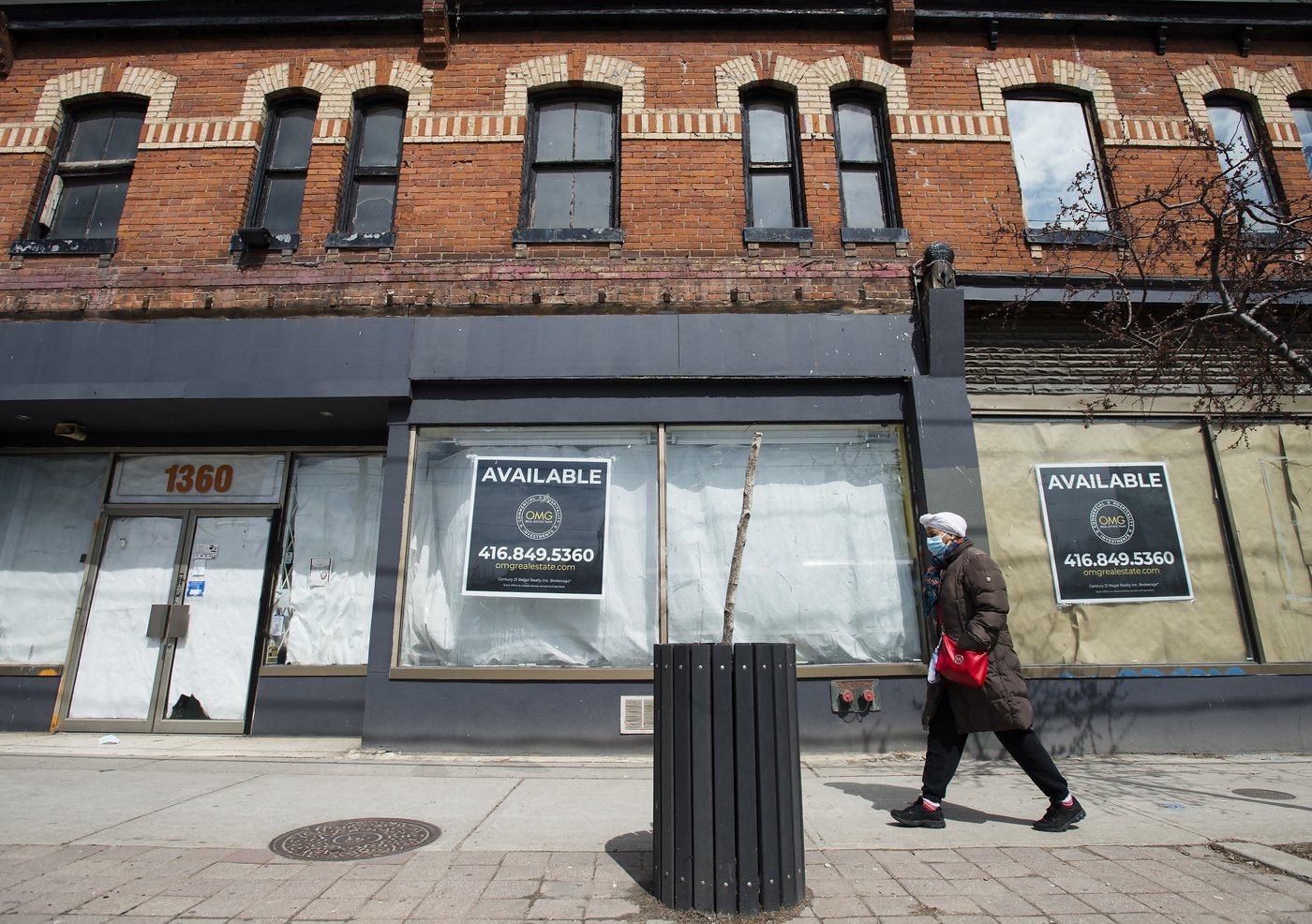
Canada’s commercial real estate sector could be at a turning point after the national vacancy rates for both office and industrial properties simultaneously declined for the first time since 2020, a new analysis has found.
The report from Colliers International said the national office vacancy rate was 13.6 per cent in the first quarter of 2026, down one percentage point year-over-year and marking one of the most significant improvements since the COVID-19 pandemic.
Canada’s industrial market, meanwhile, recorded its first national vacancy decline since 2022, down to 3.5 per cent.
The report said these trends suggest the commercial real estate market as a whole is moving toward a more balanced environment.
“It was quite unprecedented how long, especially office vacancy, went up,” said Adam Jacobs, head of research for Colliers Canada, in an interview.
“It was a good five or six years of rising rates … but the return-to-office momentum we’ve seen, especially in Toronto, has been very rapid in the last six months and it’s really turned the market around quite quickly.”
He said leasing demand is still concentrated primarily in the “best of the best” buildings, and it could take some time for that momentum to trickle down to other less coveted properties.
Toronto and other major urban centres in Canada are still working through an oversupply of existing office space after a post-pandemic surge of completions, said Ben Haythornthwaite, CoStar Group’s director of market analytics.
“The office market is like if you had a patient in the intensive care ward, they’ve now moved into the general ward,” said Haythornthwaite.
“It’s still sick, but it’s not getting any worse and that’s why we’re seeing vacancy tighten up.”
While many companies have moved their employees back to the office for at least part of the week, inventory growth is grinding to “a near-total halt,” the Colliers report said.
Less than two million square feet of new office space is currently under construction, marking a major downswing from the period of 2021 to 2023. Each quarter during that stretch, an average of 1.8 million square feet of new supply was delivered nationally.
The slowdown in new office builds means Canada is unlikely to see any meaningful supply gains before the end of the decade, given that construction can take roughly three to seven years per project, said Veritas Investment Research analyst Shalabh Garg.
He predicted vacancy rates will continue falling, especially as more office space is also converted for residential use, but won’t reach pre-pandemic levels.
“Five to 10 per cent vacancy rate is what’s optimal, but it’s hard to see us getting there,” he said, noting the last time construction activity was this slow was the early 2000s.
“We would need to see lots more conversion of older office space into some different use.”
On the industrial side, Jacobs said the market is coming back strong from a brief shock caused by tariffs and trade uncertainty last year.
Market absorption outpaced new supply in the quarter, with more than 3.6 million square feet newly taken up, compared with three million square feet delivered, according to the report.
Jacobs said the trend shows the market is stabilizing after inventory had been piling up.
“Anywhere you live, you can notice a lot of new warehouse space was built in the last five years and there is just kind of a natural cycle to every market,” he said.
“It takes a while to absorb it. But I think we’re kind of through the other side of that in both the office market and the industrial, where a lot was built, it was difficult to build it all and now the building is really slowing down and we’re starting to see those spaces fill up.”
Colliers said industrial construction starts were resilient in the first quarter, with 5.6 million square feet of new projects breaking ground. Toronto, Vancouver, and Calgary drove 76 per cent of all new starts.
“For the most part, I think we’re going to continue seeing demand increase for industrial space and we will see that space absorbed,” said Haythornthwaite.
He said industrial markets should continue tightening in the coming years, however the looming renegotiation of the Canada-United States-Mexico Agreement continues to cast a shadow of uncertainty in the short-term.
“I think we’re probably going to see a slowdown in leasing over the next couple of months, just while people wait and see what happens with that because we’re getting so close to it now,” said Haythornthwaite.
This report by The Canadian Press was first published April 20, 2026.
Sammy Hudes, The Canadian Press