dailynewsnblog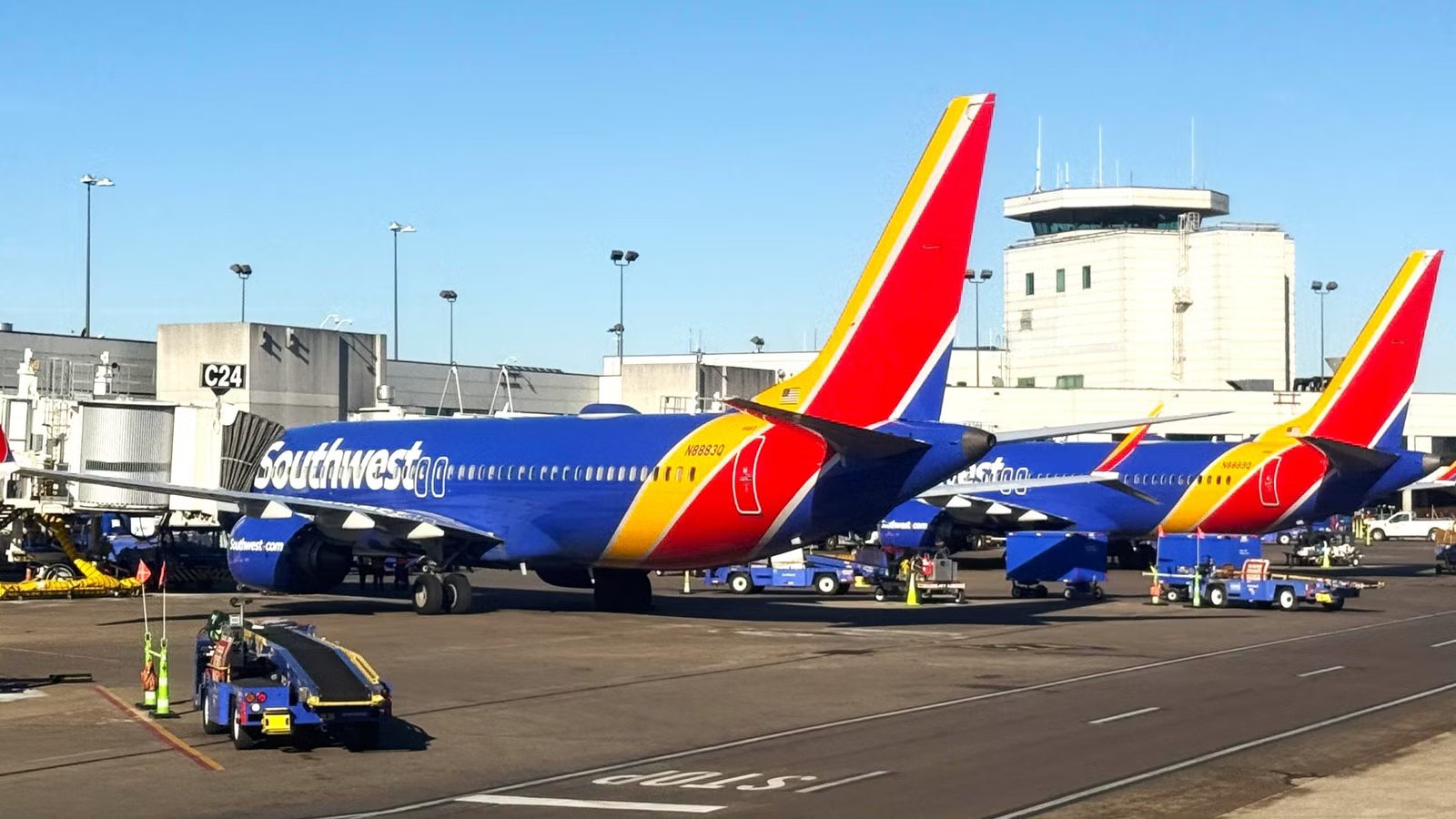
Yesterday afternoon and evening, arriving traffic at Nashville International Airport (BNA) in Tennessee had to be restricted amid an FAA directive concerning a shortage of air traffic controllers at the facility. This disruption was then compounded by a weather alert, albeit only for around half an hour or so.
While these circumstances do not appear to have resulted in major disruption to commercial aviation operations in Nashville, which serves as a base for budget carriers including the likes of Allegiant Air and Southwest Airlines, they are indicative of the wider issues facing the US airline sector. Indeed, while American airports and airlines have always had to deal with their fair share of adverse weather, the ATC shortage is a more recent issue.
Six Restricted Hours

Nashville International Airport is one of the many major US hubs that has been feeling the effects of the country’s ongoing shortage of air traffic controllers in recent times. As reported by such local media outlets as The Tennesseean and WSMV 4, this came to a head yesterday afternoon, with the Federal Aviation Administration issuing a ground delay action for incoming flights at 3:30 pm. This was in place from 4:00 pm to 10:00 pm.
It is important to note that this did not mean that incoming traffic was barred outright from Nashville. Instead, arriving flights were held at their point of departure until they could be accommodated by Nashville’s short-staffed air traffic control team, which was unable to handle its usual amount of landing traffic due to the lack of controllers. While this likely meant that departing flights would be delayed due to late arrivals, the airport said:
“Flights departing BNA are not impacted. Travelers are advised to monitor their flight status and contact their airline for updates.”
The Situation Was Briefly Compounded By A Separate Warning Concerning Adverse Weather

It is often said that when your luck is against you, it never rains but it pours. Unfortunately for Nashville International Airport, this was true both literally and figuratively speaking yesterday evening, towards the end of the FAA-imposed six-hour restricted period for arriving traffic. Indeed, at 9:30 pm, the airport took to social media to explain to passengers that the FAA had issued a complete ground stop for inbound flights due to bad weather.
This, Nashville International Airport added, was initially set to be in place until 10:00 pm, the same time at which the restriction on arriving traffic would have been lifted anyway. In actual fact, the ground stop remained in place for a tad longer, with the ‘all clear’ message that “the ground stop and ground delay have been cancelled” eventually being issued at 10:05 pm. But what exactly was the adverse weather in question that caused the stop?
Those familiar with Nashville’s climate will know that spring thunderstorms are not uncommon, and a quick look at Lightning Maps reveals that, last night, the Tennessee city did indeed find itself at the edge of one such storm system. Today, however, better weather is expected, with the airport operating punctually.

New Report Uncovers Nashville’s Alarming Safety Risks Due To Ongoing ATC Shortage
The airport is in the news for a concerning reason.
Nashville’s ATC Shortage Is Reflective Of Nationwide Issues, But Dates Back Further

Regular readers of Simple Flying will likely be aware that Nashville International Airport is far from the only major US hub to have felt the impacts of the shortage of air traffic controllers in recent times. For instance, it was reported last May that Houston’s two main airports, Bush Intercontinental (IAH) and Hobby (HOU), were operating with a combined shortage of 30% on this front. However, for Nashville, these issues date back a lot further.
Per The Tennesseean, yesterday’s six-hour window of restricted inbound traffic was “the eighth flight schedule disruption in the last year that has resulted from staffing issues.” Despite air traffic generally being up across the board in the US and beyond, the publication also notes that the airport has two fewer controllers than in 2015, and 11 fewer than there should be today. As such, passengers can expect similar issues for the time being.