dailynewsnblog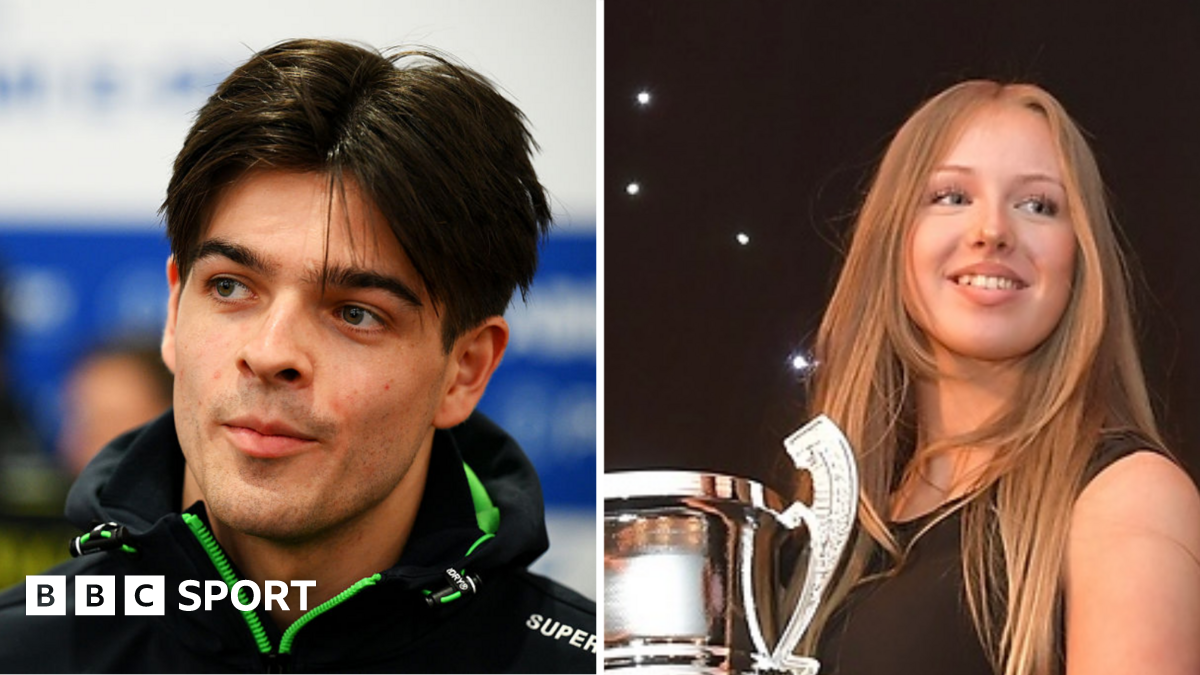
“Without Williams’ support when I initially went into Formula 3, it would have been very, very difficult for me to even do one season,” the 21-year-old said.
Despite being in the Williams Driver Academy, he was expected to cover part of the costs himself.
“Williams were very aware of my financial struggles,” he said. “Of course, they only contribute a certain amount to my season and that came very early in the year, as is quite normal.
O’Sullivan added that it is “down to the driver to bring the funding”, meaning sponsors are “critical” but difficult to find.
He explained: “I think any sponsorship you get is either from an act of extraordinary kindness, or family, friends, or someone who’s very, very passionate about racing or believes in the driver.”
He described a phenomenon that he called “motorsport inflation”, adding that he is “amazed” by the number of people able to race with the current costs.
“There are very few regulations controlling how much you can spend,” he said. “So the top teams perform the best because they have the most money.
“For as long as you have people wanting to race and with the finances to race, the teams can set their price. And if people pay, they’ll keep upping their price.”
For example, a top level, race-winning kart chassis can cost upwards of £4,000 – and that’s without an engine.
O’Sullivan said that in his time in European karting, the top teams had budgets of about £180,000 a year, but that has now increased.
“That’s now up to around £300,000 with motorsport inflation, which doesn’t really follow the global trends,” he said.
O’Sullivan believes “there’s no hiding away from” elitism within motorsport, adding: “There’s a few cases of drivers making it without the funds but you have to be able to get to a level where you’re recognised by Formula 1 teams, which is normally European karting, which is very expensive.”
Having left F2 before the end of 2024, he says that “realistically” F1 is no longer the goal for him and he currently races in Japan in the Super Formula series.