dailynewsnblog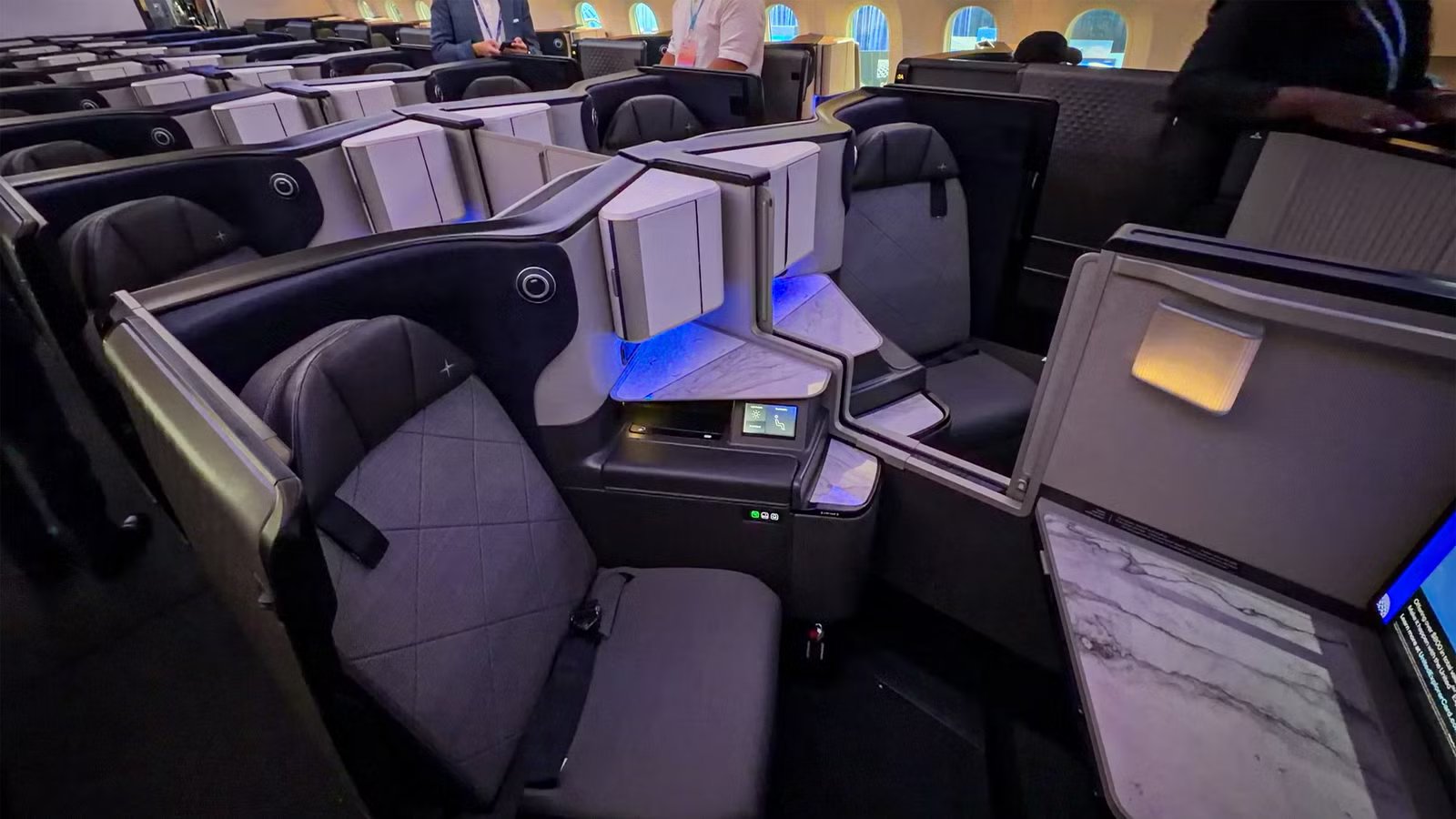
 United Airlines has effectively created the most expensive business-class upgrade in the US market in 2026, with its Polaris Studio surcharge priced at $499 per segment, added on to base Polaris fares that can exceed $6,000 on routes like San Francisco International Airport (SFO) to Singapore Changi Airport (SIN). This reflects a deliberate shift toward monetizing “business class plus” seating within a single cabin rather than maintaining a separate first-class product.
This analysis breaks down key factors driving that shift: the pricing mechanics behind Polaris Studio, how competitors like American Airlines and JetBlue Airways are positioning similar products, and why US airlines are restructuring premium cabins around tiered upgrades. It also examines how these pricing strategies blur the line between traditional business and first class, effectively redefining what “premium” means in the US market. Additionally, the move signals a broader industry trend toward unbundling luxury within cabins, allowing airlines to capture higher yields from a smaller subset of high-spending passengers. For US-based travelers, especially those flying long-haul routes or connecting through major hubs, this change directly impacts booking strategy, upgrade value, and the real cost of securing the most premium experience available without flying international first class.
The Emergence Of “Business Class Plus” In US Aviation

The traditional hierarchy of airline cabins, economy, business, and first class, has undergone a significant transformation over the past decade. By 2026, many United States airlines will have largely abandoned international first class as a standalone product, opting instead to concentrate resources on enhancing business class. This shift has given rise to a new, unofficial category often referred to as “business class plus,” where airlines differentiate within the same cabin by offering premium seating options at an additional cost.
This evolution is rooted in both economics and changing passenger expectations. Airlines realized that maintaining a separate first-class cabin with limited seats was often less profitable than densifying business class while still extracting premium revenue from top-tier customers. By introducing upgraded seats within business class, such as front-row suites with extra space and exclusive amenities, airlines can cater to high-spending travelers without the operational complexity of a separate cabin.
The result is a more granular pricing model. Instead of a single business-class fare, passengers now encounter multiple tiers within the same cabin. These tiers may differ in seat size, location, service level, and bundled perks. What was once a straightforward booking decision has become a layered marketplace, where even after purchasing a premium ticket, travelers are presented with further opportunities to spend more for incremental comfort and exclusivity.
United’s Polaris Studio: Redefining The Upgrade Ceiling

United Airlines has positioned itself at the forefront of this trend with its Polaris Studio concept. Introduced on select long-haul routes, United Polaris Studio represents the most expensive business-class upgrade currently available on any US airline. The surcharge, set at $499 per segment, is applied on top of an already high Polaris fare, which itself can exceed $6,000 on ultra-long-haul routes such as San Francisco to Singapore.
What distinguishes Polaris Studio from standard business class is not merely the seat itself, but the entire experience layered around it. Located in the bulkhead rows, these seats offer significantly more personal space, larger footwells, and additional surfaces for dining or working. The inclusion of an ottoman allows for companion dining, while enhanced bedding and privacy features aim to replicate aspects traditionally associated with international first class.
Beyond the physical seat, United has bundled subtle service enhancements into the Polaris Studio experience. These include elevated dining elements such as caviar service, more attentive interactions with cabin crew, and prioritization that mirrors elite frequent flyer treatment. While the incremental cost may appear steep, the airline is betting that a subset of premium travelers values these marginal gains enough to justify the expense, especially on flights exceeding 12 hours.

The Striking Differences Between United’s Polaris 2.0, Delta One & Qatar QSuites In 2026
These products all have their own unique value propositions.
American Airlines’ Flagship Suite Preferred: A Temporary Anomaly

 American Airlines has introduced a comparable concept through its Flagship Suite Preferred product, but with a notable twist: as of 2026, these premium seats are being offered at no additional charge. This creates a rare anomaly in the market: a product with a positioning similar to Polaris Studio does not yet carry a surcharge. However, industry observers widely expect this to change once the product is fully rolled out and demand patterns are established.
The Flagship Suite Preferred seats are designed to offer more space, improved privacy, and upgraded finishes compared to standard business-class suites. Positioned at the front of the cabin, they benefit from quieter surroundings and faster service, making them particularly attractive to business travelers seeking efficiency and rest. The absence of an added fee currently makes them one of the best-value premium experiences in US aviation.
Despite this temporary advantage, it is unlikely that American will maintain a zero-cost model indefinitely. Airlines operate on finely tuned revenue management systems, and leaving a high-demand, differentiated product unmonetized runs counter to industry norms. As competitors demonstrate the willingness of passengers to pay for similar upgrades, American is expected to introduce pricing tiers or bundled fare options that capture additional revenue from these premium seats.
JetBlue Mint Studio: The Domestic Precursor

JetBlue’s Mint Studio can be seen as the precursor to the broader “business class plus” movement. Initially introduced on transcontinental routes within the United States, Mint Studio offered a significantly larger seat at the front of the Mint cabin, complete with an additional bench that could accommodate a second passenger. This design emphasized both space and flexibility, appealing to travelers who valued comfort and social interaction during flights.
Unlike traditional first class, Mint Studio was not marketed as a separate cabin but rather as an enhanced seat within business class. Passengers could select these seats for an additional fee, effectively creating a tiered structure within the Mint product. This approach allowed JetBlue to test the viability of monetizing incremental improvements without overhauling its entire cabin configuration.
The success of Mint Studio demonstrated that passengers are willing to pay for marginal upgrades, particularly on longer flights where comfort becomes more critical. It also provided a blueprint for larger carriers, showing that a single premium cabin can be subdivided into multiple revenue-generating segments. In many ways, JetBlue’s innovation laid the groundwork for the more expansive and globally focused implementations now seen in 2026.

Flyers Are Saying JetBlue Mint Is The Best US Business Class: Here’s Why
Here’s how the product has become a special offering on US transcontinental and transatlantic routes.
The Economics Behind Premium Seat Monetization

At the heart of this trend lies a simple economic principle: maximizing revenue per square foot of cabin space. Aircraft cabins are finite, and airlines must carefully balance seat density with passenger comfort to achieve optimal profitability. By introducing higher-priced seating options within business class, airlines can extract additional revenue without significantly reducing overall capacity.
The margins on these upgrades are particularly attractive. The incremental cost of providing a slightly larger seat or enhanced meal service is relatively low compared to the additional revenue generated by a $499 surcharge. This makes “business class plus” one of the most efficient ways for airlines to increase profitability, especially on long-haul routes where ticket prices are already high.
Furthermore, this model aligns with broader trends in consumer behavior. Travelers across industries, from hospitality to entertainment, are increasingly accustomed to tiered pricing structures that offer incremental benefits at higher price points. Airlines are leveraging this mindset, presenting premium upgrades as optional luxuries rather than essential components of the base fare. This not only increases revenue but also allows carriers to cater to a wider range of passengers’ willingness to pay.
What This Means For Travelers In 2026 And Beyond

For passengers, the rise of “business class plus” introduces both opportunities and complexities. On one hand, travelers now have more choices than ever before, with the ability to customize their flying experience based on personal preferences and budget. Those who value extra space, privacy, or enhanced service can opt for premium seats, while others can still enjoy a high-quality business-class experience without the added cost of a full first-class fare.
On the other hand, the increase of ‘tiers’ within fares can make booking decisions more complicated. What was once a straightforward purchase now involves evaluating multiple options within the same cabin, each with its own price and set of features. This can lead to decision fatigue, particularly for travelers who are less familiar with the nuances of airline products. Transparency and clear communication from airlines will be crucial in helping passengers navigate these choices.
Looking ahead, the trend is likely to intensify. As airlines continue to refine their premium offerings, making feature additions and omissions, we may see even more segmentation within cabins, along with dynamic pricing models that adjust upgrade costs based on demand. While this could further enhance revenue opportunities for carriers, it will also reshape the passenger experience, blurring the lines between business and first class in once unimaginable ways.