dailynewsnblog
The austerity years cast a long shadow over Britain. In the wake of the 2008 financial crisis, a programme of cuts overseen by then-chancellor George Osborne and the work and pensions secretary Iain Duncan Smith gutted parts of the welfare state, limiting the generosity of what is now universal credit, introducing a bedroom tax and the two-child limit for child benefit. By 2021, an estimated £37bn had been cut from welfare spending each year alone, with further cuts made to other branches of government.
The consequences of these decisions are all around us. Around four million children were classified as living in poverty in the UK, according to the most recent figures. This week, a University of Oxford study revealed that more than one-fifth of all “austerity generation” British children – that is, children born since 2013 – have been scarred by poverty for at least half their childhood.
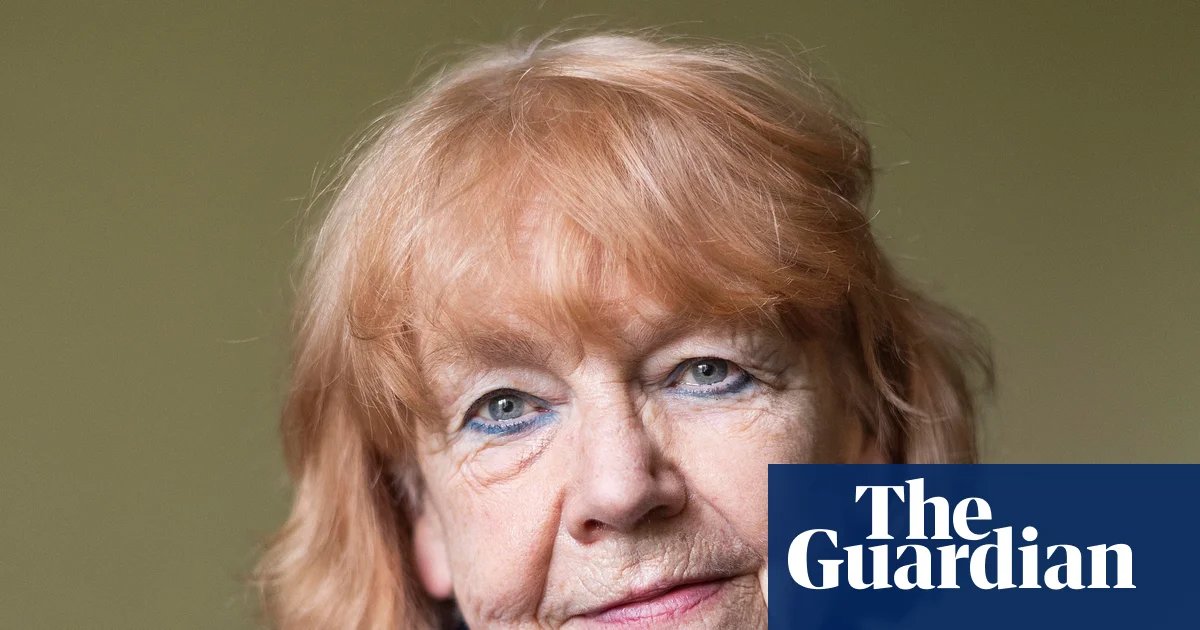
For today’s newsletter, I spoke to Patrick Butler, the Guardian’s social policy editor, about the new research and ask whether enough is being done to tackle child poverty in the UK. First, this morning’s headlines.
Five big stories
-
Southport attack | Axel Rudakubana was able to carry out the Southport atrocity because of “catastrophic” failures by multiple agencies and the “irresponsible and harmful” role of his parents, a damning inquiry has found.
-
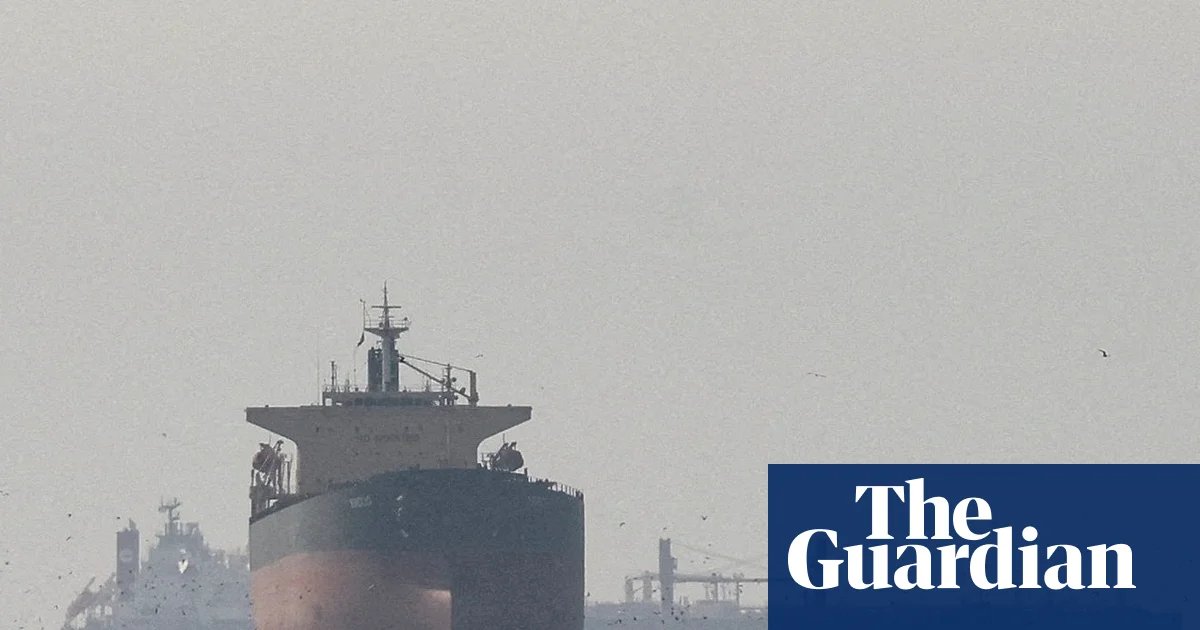
Middle East crisis | The US blockade of ships using Iranian ports in the Gulf began on Monday evening, turning the six-week-old conflict between the US-Israeli coalition and Iran into a test of economic endurance.
-
Health | Metabolic liver disease (MASLD) will affect 1.8 billion people worldwide by 2050, driven by rising obesity and blood sugar levels, according to a new report. There are now 1.3 billion people worldwide living with MASLD, a 143% increase in just three decades.
-
Scotland | A funding deal to raise £100m from private investors for urgently needed nature restoration in Scotland has fallen through without the Scottish parliament being told, the Guardian has learned.
-
XL bully ban | Police spending on kennels and veterinary bills in England and Wales has more than tripled since the XL bully ban came into force, with some forces recording an almost 500% spending increase since 2024.
In depth: ‘On a spreadsheet, the cuts might look like a win. But it’s been a disaster’
Near-Dickensian levels of poverty have returned to the UK once again – and austerity was the key driver, according to many experts. British children who grew up in this period are shorter than their European counterparts, and poorer areas of the country have seen a resurgence in Victorian illnesses such as rickets and scurvy. On average, the programme cost Britons around six months in their life expectancy, according to one study.
On Monday, a study by University of Oxford researchers provided a fresh insight into the nature of childhood poverty in Britain. It found a major increase in the proportion of children born after 2013 who spent at least six of their first 11 years of life in hardship after austerity cuts. Poverty became a defining factor in the formative years for this cohort, says Patrick Butler, often with disastrous consequences.
“When a child grows up in poverty, that is damaging to their development,” Patrick tells me. “We know that the longer a child stays in poverty, the more damage it causes. And by damage, we’re talking about health, we’re talking about their education attainment, we’re talking about their chance of getting a job and earning. On all those measures, we know that poverty is a kind of negative factor.”
Long-term poverty is now a reality for almost a quarter of British children, surging from between 13 and 14% during the New Labour-era.
A precise causal relationship
Austerity policies took thousands of pounds from the household budgets of many low-income families. Benefit-rate freezes, the two-child benefit limit and the bedroom tax were accompanied by further cuts to local government and health, making it hard to establish a precise causal relationship between specific policies and outcomes from the time, Patrick explains.
But the overall impact of austerity had a clear impact on the situation in the country today. While relative poverty in the UK – defined as a household whose income is less than 60% of the median income – has flatlined at around 21% in recent years, there is growing evidence that the poorest families are getting poorer, he says. In January, research by the Joseph Rowntree Foundation found that about 6.8 million people were in deep poverty, the highest level since records began.
“We’re talking about really severe poverty where children are probably not getting enough to eat, their parents struggling to feed them or clothe them properly. When people talk about Dickensian levels of poverty, that’s the kind of thing we are talking about. Material poverty is a distinct factor with modern poverty,” says Patrick.
‘They’ve made a start’
Since Labour returned to power, the government has taken some measures to tackle childhood poverty in the UK. This month, the two-child limit on child benefit was removed, providing an instant boost for some poor households. Almost half a million children will be lifted out of poverty by the measure by the end of the decade. Universal credit has also been given an above-inflation increase.
But they could go further, says Patrick, pointing out that some austerity-era policies are still in place. “They’ve made a start. You could argue that they were a bit tardy about it. Some parts of the Labour government were resistant to abolishing the two-child limit. The benefit cap and the bedroom tax are still there, although they had relatively minor impacts. So, there’s still more to do.”
The shirker narrative
Attitudes in the British public towards the poorest in society have softened since the austerity era. Rhetoric on the issue tends to focus on so-called “shirkers” and “welfare kings and queens”, but Patrick says that framing rarely reflects reality, with many of parents who receive state support already being in work.
High poverty levels often lead to larger societal costs, he says, something that was not factored in by the architects of austerity. “On a spreadsheet, the cuts might look like a win. But on the other side of the ledger, it’s been a disaster. You’ve seen more children in care, in foster care or children’s homes. Poor health has consequences for the NHS, while greater inequality is an issue on its own. That is what was so striking about this research: it was a very useful reminder about just how damaging those austerity policies were.”
What else we’ve been reading
-
In line with the spirit of our newsletter today, I thought Ken Loach was brilliant in this interview for the series How we made, about his film I, Daniel Blake (pictured above). Loach showed just how normalised some of the most gruesome parts of austerity have become. Poppy Noor, acting editor, newsletters
-
Julian Borger’s interview with the Italian human rights lawyer Francesca Albanese is a must-read. They discuss her new book and what it’s like to be in the crosshairs of the Israel-Palestine conflict. Patrick
-
I loved our spring photo gallery – within which is a pretty foreboding image of the US president, contrasted lower down with one of New York’s mayor, Zohran Mamdani, which is full of colour and movement. Oh, and there’s some cute pics of kids getting all soaped up in Myanmar at the end too! Poppy
-
Rachel Leingang has an entertaining read on the rise of the raspberry danish latte and how it became a viral drink. Patrick
-
And finally, please enjoy the list I never knew I needed: from Bollywood classics to great rave choons, it’s the best records by Asah Bhosle, one of India’s greatest vocalists.
Sport
Cricket | James Anderson rolled back the years with a brilliant intervention to bowl Lancashire to a surprise last-day win over Derbyshire. Anderson, now 43 and two seasons on from retiring as England’s record Test wicket-taker, claimed four for 18 to fire the Red Rose to a 20-run win at Emirates Old Trafford.
Football | The Ghanaian winger Dominic Frimpong has been killed, aged 20, in an armed robbery attack on his team’s bus, as they returned from a match on Sunday, the Ghana Football Association said.
Olympics | Some Angelenos looking for presale tickets to the 2028 Games have been left shocked over exorbitant prices and an unexpected service fee. LA28 made a wave of slots in the presale ticket lottery available for residents in southern California, and in Oklahoma City, which will host the canoe slalom and softball events. Tickets ranged in price from $28 into the thousands.
The front pages
The Guardian leads with “‘Catastrophic’ failures by state led to Southport attack, inquiry finds”. The Mail has “Southport killer’s parents ‘should have stopped him’”. The Sun follows the same story with “They didn’t have to die”, while the Mirror has “This fight does not end today”.
The Telegraph reports “Trump repents his Jesus stunt”. The Times goes with “Trump rolls the dice on blockading the Strait”. The Financial Times says “Ex-Nato chief Robertson hits out at Starmer ‘complacency’”. Finally the i has “UK passengers abandoned at EU airports in chaotic new Brexit checks”.
Today in Focus
After four decades, Lebanon and Israel finally talk
With the US and Iran in deadlock, could historic talks between Lebanon and Israel help steer the Middle East towards peace? William Christou reports.
Cartoon of the day | Ben Jennings
The Upside
A bit of good news to remind you that the world’s not all bad
When was the last time you did a jigsaw puzzle? For Rachel Hosie (pictured above), it had been more than 20 years since she’d opened a puzzle box. Then, on a rainy day, she came across a 1,000-piece illustration of Agatha Christie at work – and became, as she puts it in The one change that worked, obsessed.
Her new hobby helped her cope with a few big changes in quick succession – marriage, quitting her job and moving abroad – and turned out to be “the missing piece of my life”, pun intended.
“Every time I successfully place a piece,” Hosie says, “I get a little rush and feel a sense of achievement. It’s a dopamine hit, but one I’ve worked for instead of just scrolling from Instagram reel to Instagram reel.”
Sign up here for a weekly roundup of The Upside, sent to you every Sunday
Bored at work?
And finally, the Guardian’s puzzles are here to keep you entertained throughout the day. Until tomorrow.