dailynewsnblog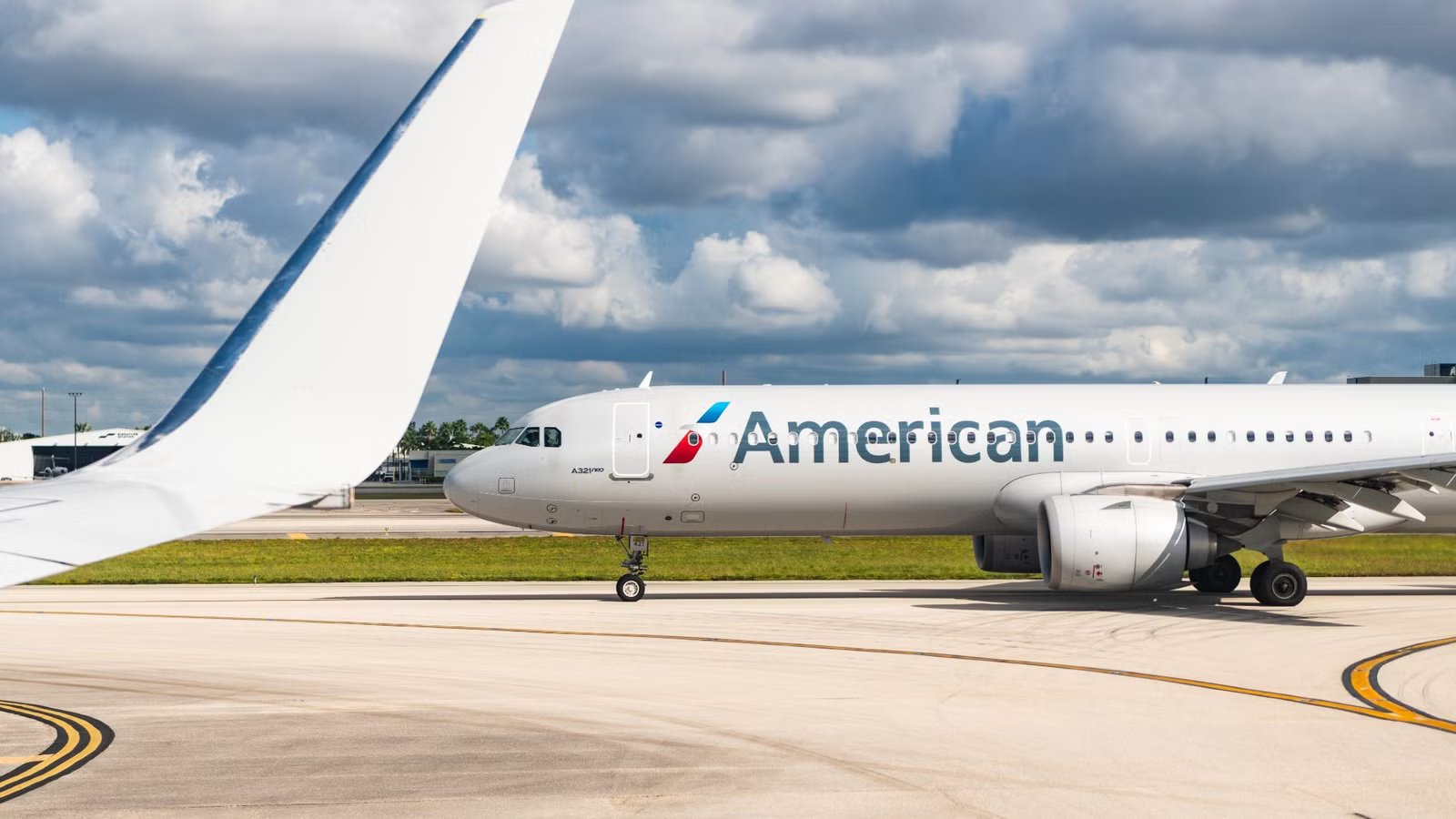
The  American Airlines pilot team is making the headlines for a unique reason. The carrier’s new pilot trading card program turns a quirky aviation trend into a revealing story about branding, labor, and customer experience across the board. The headline is simple. American pilots can now hand out collectible aircraft trading cards, a maneuver that brings the carrier in line with other major US airlines.
The more interesting angle is that the push came from the Allied Pilots Association rather than American itself. That has created some internal friction, with supporters calling the cards a fun passenger perk and critics questioning why a union had to fund something so closely tied to the airline’s overall public image and customer-facing strategy. It is relatively unusual for pilots to push forward these kinds of customer-experience narratives. The Fort Worth-based airline has yet to respond to Simple Flying’s request for comment on the matter.
What Are The Specifics Of This Situation?

The trading cards themselves are not really the reason this is making headlines, but rather the set of circumstances that led the program to be introduced. Rather than launching it as a corporate customer-experience initiative, American’s pilots’ union, the Allied Pilots Association, organized access to the cards for its members.
Pilots who are part of the union can collect them at crew bases and hand them out on board, with designs featuring aircraft like the Boeing 737, 777-300ER, 787 Dreamliner, and Airbus A321. This move addresses a recurring problem for aircraft crews who had been asked for cards by passengers, often children, without having anything to offer. Nonetheless, this move has naturally sparked a debate within the union over whether union dues should support a perk that arguably promotes the airline’s brand and public image, according to The Street. Essentially, if Delta Air Lines is paying for pilots to give out trading cards, why shouldn’t American?
A Look At The Trading Cards Themselves

These trading cards are designed as miniature keepsakes, and they are not just promotional handouts that the airline might be offering. They are genuinely meant to bring smiles to passengers’ faces. Each of these cards spotlights a specific American Airlines aircraft type, with examples including the many flagship models that are core pieces of the airline’s operations.
The artwork on these trading cards is far more polished than that of a generic souvenir, pairing the aircraft with destination-themed imagery such as major international cities. This gives the cards a unique travel-postcard feel as well as a focus on the airline. This ultimately matters because it creates a twofold appeal that can generally improve passengers’ perceptions of these flights.
These cards ultimately serve as collectibles for frequent flyers and aviation enthusiasts, but they also provide a simple, visual way for younger passengers to connect an airplane’s name and shape to the flight they are taking. In that sense, the cards function as both memory aids and conversation starters. The value of these cards is emotional, experience-based, and ultimately tied to the small sense of occasion that can really improve an otherwise ordinary flight.

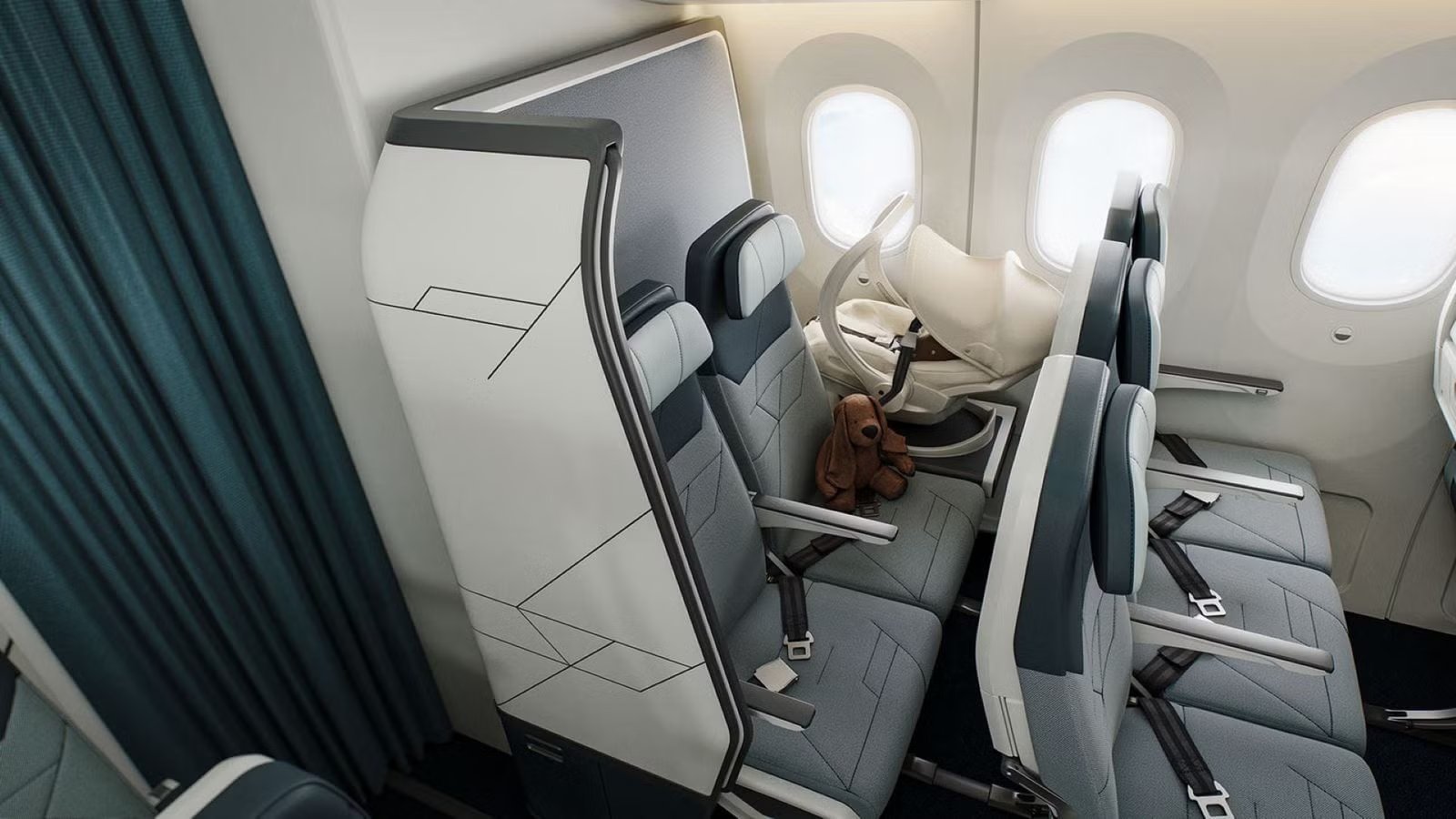
What Are The Benefits Of Flying In American Airlines’ New Premium Economy?
The refreshed premium economy seats are more comfortable, aesthetically pleasing, and technologically advanced than older seats.
Should American Airlines Be Paying For This Program?

The core argument here is that these cards are not really benefiting the union. Rather, they are a brand and customer-experience tool being used by American Airlines. They promote the airline’s fleet, create memorable interactions onboard, and help foster goodwill with families, aviation enthusiasts, and frequent flyers alike.
Therefore, the commercial value of these cards primarily flows to the company, not the pilots’ union, which is bankrolling the program. This is a key reason why critics say that the airline, not dues-paying pilots, should absorb the program’s costs. There is another point to be made here. Union dues are generally expected to support representation, contract enforcement, workplace issues, and safety priorities.
They are not, by contrast, meant to subsidize a marketing-style initiative that the carrier could easily fund on its own. A company-funded program would also signal that management takes passenger engagement seriously and is willing to invest in small touches that strengthen loyalty. From that perspective, the objection is less about the trading cards themselves and more about who should bear responsibility for paying for them.