dailynewsnblog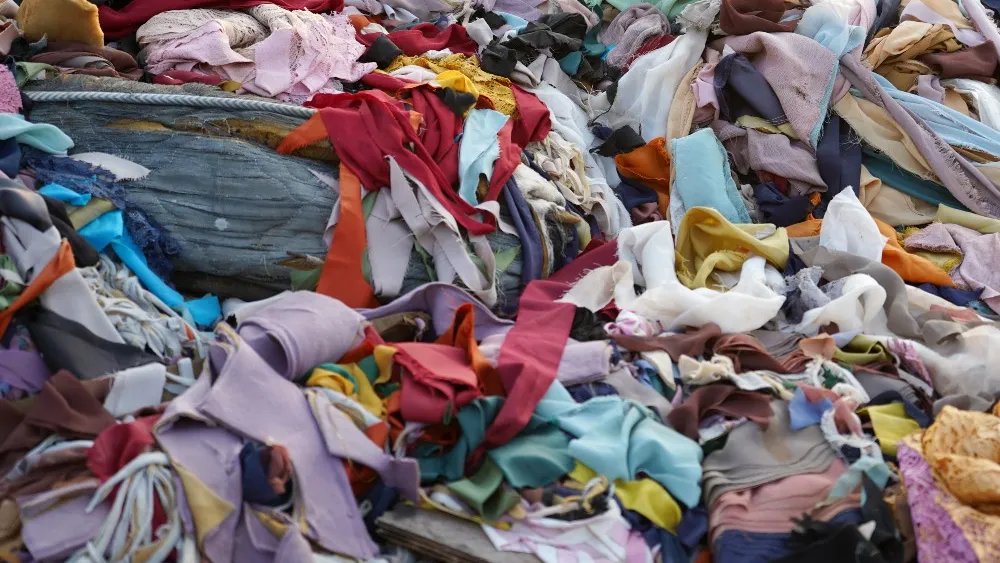
Each year, 92 million tons of textile waste is produced globally, according to the United Nations Environment Program. And a significant portion of that waste comes from a seemingly benign practice—retail returns.
“There’s around 9.5 billion pounds of returned goods that end up in landfills each year,” said Kylee Hall, vice president of marketing at secondary marketplace B-Stock. “It’s staggering, and nobody goes to a landfill, so you don’t see it—it’s out of sight, out of mind. And so many perfectly good items end up there.”
When consumers return purchased items, they generally assume those garments return to the retailer’s sellable inventory. But with e-commerce and fast fashion radically changing the way many shop for clothing, the volume of returned garments has made it more difficult for retailers to process those items.
“Apparel is one of the categories where we see the biggest volume of returns because of things such as wardrobing, where you buy things to supplement your wardrobe and then return them, or they’re buying multiple sizes of things,” Hall said. “In the apparel world, we’re seeing a huge volume of returns.”
Particularly for online retailers, processing that volume of returns is simply unsustainable both from a cost and logistical standpoint.
“Even for a brick-and-mortar retailer, there are multiple steps to get a return back on the shelf, and it takes a lot of work,” Hall said. “In the e-commerce world, when you’re sending something back, it’s going into huge warehouses where the volume of those returns is basically insurmountable.”
At that point, retailers must evaluate whether the cost of processing the returned item is worth the amount it can be resold for. And that’s particularly tricky for apparel brands with lenient return policies, as those returned goods may be out of season and already being sold at a discount.
“The garment might sit on a shelf or a bin in the warehouse or in the back of the store because the retailer has decided the level of effort to put it back on the shelf is not worth it,” Hall said.
Wholesale liquidation companies such as B-Stock, Faire and others work with retailers to give resellers access to returned items for resale, preventing them from ending up in landfills. B-Stock purchases palettes of returned goods from major retailers such as Target, Amazon and Foot Locker and lists them for auction on their website. Resellers can bid on these palettes, which then become inventory on resell sites such as eBay, Facebook Marketplace and Whatnot.
“Over time, inventory builds and builds, and retailers are stuck, trying to figure out how to get rid of these items,” Hall said. “That’s where B-Stock comes in—we find these resellers from across the U.S. and around the globe who have built their own businesses and sell these items across a multitude of channels.”
Hall said that with the pervasiveness and popularity of resale in today’s marketplace, services such as B-Stock can help retailers divert large volumes of items to new buyers rather than a landfill.
“The beauty in something like B-Stock is that you can get access to this one place with volume transacting, which was hard for people in the past because this type of inventory was a very closed industry,” she said. “We’re trying to provide access because in the world of all these digital platforms, pretty much anyone can be a reseller.”
While companies such as B-Stock and reselling websites present an avenue for retailers to take a more circular approach to processing returns, Hall said educating consumers on the real impact of their buying habits is the only way to make truly meaningful progress on reducing waste.
“Consumer behavior is going to be hard to reverse, but I think it’s a matter of being cognizant of the footprint those returns are making,” she said. “Bringing awareness is the biggest thing, along with being intentional when you’re making purchases and thinking about what really happens when you return those items.”