dailynewsnblog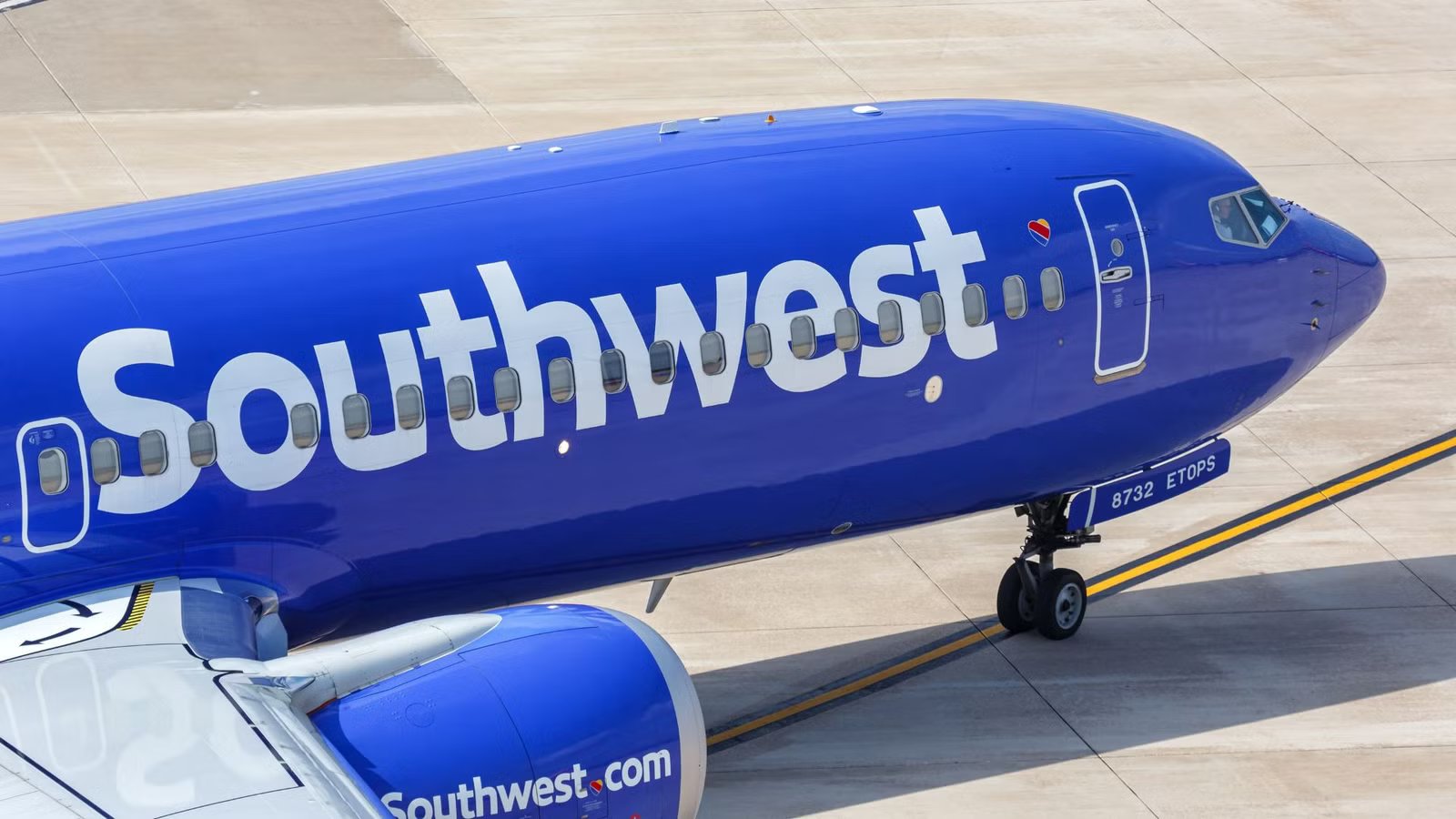
A thank-you note rarely emerges as a point of contention among travelers. Nonetheless, this is exactly what has happened in this instance.  Southwest Airlines’ handwritten thank-you note to a top-tier A-List Preferred passenger should have been read as a small but meaningful act of goodwill. This has become a flashpoint for broader frustration with the airline. Shared online, the note has drawn skepticism from critics who saw it as performative damage control.
This comes at an unfortunate moment when Southwest is already facing complaints over recent policy and boarding changes. Others defended it as a genuine crew-level gesture. This episode captures a core tension. Even simple customer service efforts can backfire when an airline’s broader relationship with its loyal traveler base is under strain. In this specific instance, passengers began to assume that the airline did not have purely good intentions.
A Single Reddit Post Driving Southwest Passenger Outrage

The controversy surrounding this somewhat benign-seeming thank-you note centers on a single Reddit post highlighting how a handwritten note was given to a passenger identified as Samuel. The note in question thanked him for being a “valued A-List Preferred Customer” and invited him to ask the crew for anything that he might need. On the surface, it was a simple loyalty gesture, and few would initially read it as any more than that.
A very large number of people online, however, have been quick to interpret the note in a slightly different manner. People have clearly interpreted the note as image repair rather than genuine hospitality. Some have even speculated that it looked prewritten, with no evidence to support that claim. Chron noted that it could just as easily have been an individual crew going above and beyond, indicating Southwest had not provided an official comment on the situation.
What Does All Of This Mean For Southwest Airlines?

As for Southwest, this is less about a single note and an outsized reaction. This is more about how fragile its relationship with loyal customers has become. A handwritten thank-you should normally reinforce overall goodwill, especially with a high-tier A-List Preferred traveler. Instead, it was met with extensive suspicion, suggesting that many customers now interpret even small gestures through a negative lens.
This is a major issue for an airline that has been aggressively seeking to improve its brand image and customer reputation. It ultimately means Southwest can no longer count on some of the passengers who matter most to give it the benefit of the doubt. The episode also shows the limits of symbolic service recovery. This includes friendly onboard gestures that can help at the margins.
These small gestures can outweigh broader dissatisfaction with the carrier’s recent controversial decision. Thus, Southwest has to be careful as it looks to rebuild trust through consistent policy execution and a clearer customer value proposition. Isolated moments of kindness are being dismissed as optics.

Southwest Passengers Divided Following Turbulent Debut For Assigned Seating
Mixed reviews for the airline’s new assigned seating system.
Is This In Line With Shifting Customer Dynamics?

In a broader customer-experience context, this episode highlights that passengers do not judge airlines only by individual acts of overall kindness. They judge them through the full accumulated experience. The handwritten note might once have been seen as a thoughtful move, but the internet appears to disagree.
This note comes in the context of months of complaints against Southwest, alongside broader frustration over costs, delays, and various seating issues. That is ultimately why the same gesture can land so differently depending on the mood of the airline’s customer base. When trust is high, these kinds of small touches can still feel personal.
In an environment where trust is low, they can feel scripted, strategic, or even manipulative. For airlines, the lesson is that customer experience is cumulative. Loyalty is shaped less by a single warm interaction than by whether the product feels fair, predictable, and respectful from booking through arrival. Service gestures still matter, but they work best when the underlying operation already feels credible.