dailynewsnblog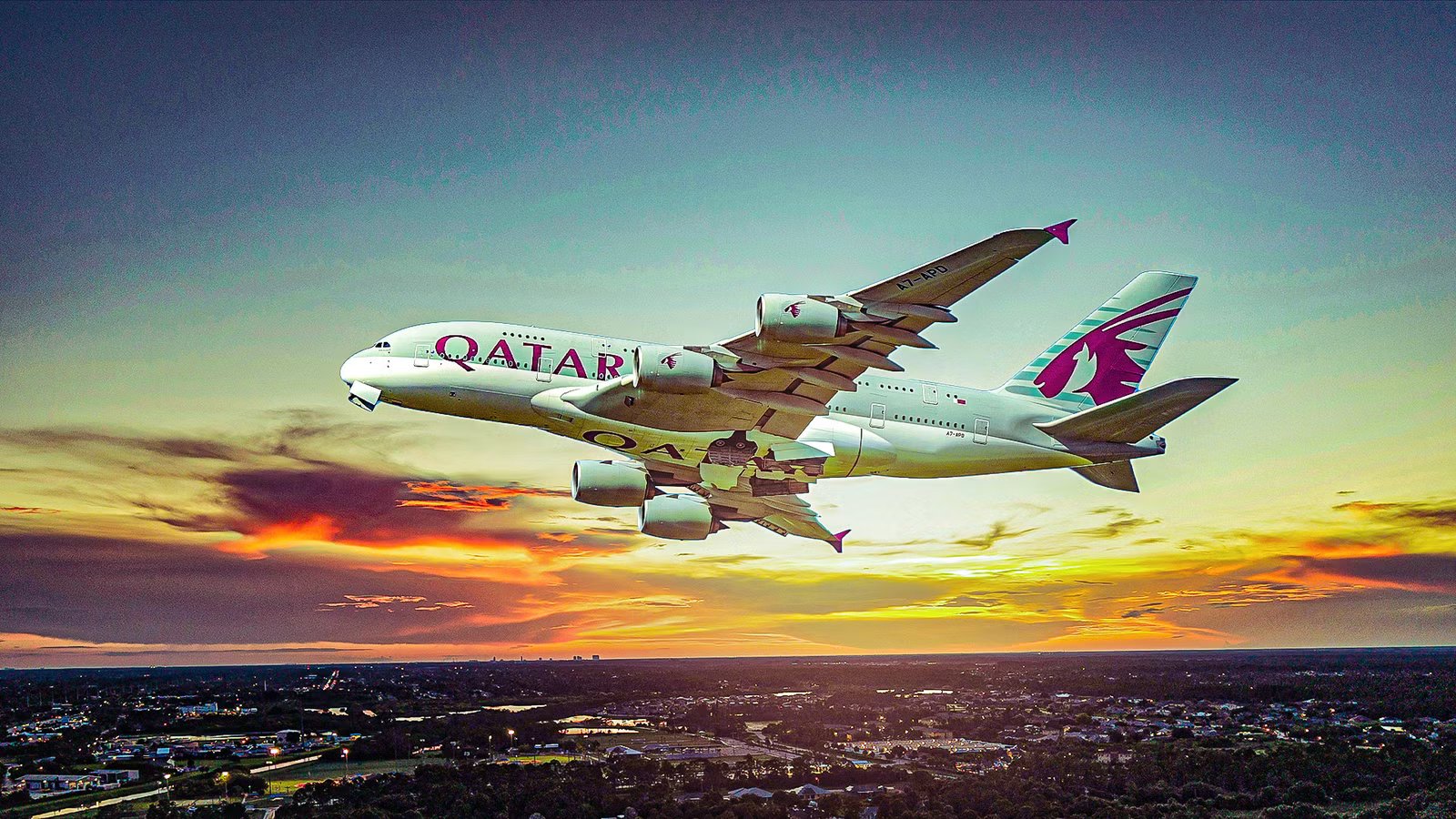
It’s fair to say that the 2020s haven’t been the kindest decade for the Airbus A380. With the type having been more or less grounded worldwide as a result of the coronavirus pandemic at the start of the decade, certain operators took the chance to withdraw the type from use. While most users slowly but surely got their superjumbos back in the skies, the 2026 Iran Crisis is proving to be another hurdle.
Indeed, with the ongoing geopolitical hostilities in the Middle East causing fuel prices to spike and airlines to have to fly the long way round on certain intercontinental routes, airlines are once again adapting their superjumbo schedules to fit these constraints amid lower demand. Using data from Cirium, an aviation analytics company, let’s take a closer look at what exactly has changed on this front, and why.
Qatar Airways Has Temporarily Suspended Airbus A380 Operations

In April and May of last year, Airbus A380 operators across the world scheduled a combined grand total of 15,001 flights with the double-decker quadjet. In 2026, this figure has dropped to 12,449, representing a year-on-year decrease in the region of 17%. Among the carriers whose Airbus A380 schedules have seen year-on-year cuts in April and May, by far the most notable example is Doha’s Qatar Airways.
Indeed, as Simple Flying reported yesterday, the Middle Eastern airline has taken the extraordinary measure of temporarily grounding its entire A380 fleet. As such, it has no scheduled superjumbo flights in April and May of this year, compared to 610 during the same period in 2025. As it stands, Qatar Airways’ A380 flights will resume on June 1, but this is, of course, subject to change. The carrier explains that:
“Our teams are doing everything within the current constraints to ensure our passengers reach their destinations. (…) The safety and well-being of our passengers and crew remain our highest priority.”
Other Cuts Elsewhere

While Qatar Airways has made the most drastic cuts to its A380 schedules, it is far from the only carrier to do so. Indeed, elsewhere in the Middle East, Dubai-based UAE flag carrier  Emirates, which is known for being the type’s largest operator, has seen a 20% drop, from 9,834 flights in April and May of 2025 to 7,862 this year. Likewise, Etihad’s schedules are down 16%, having dropped from 582 to 491.
Elsewhere in Asia, South Korean flag carrier and SkyTeam founding member Korean Air has seen the largest proportional decrease apart from Qatar Airways. Indeed, compared to its total of 330 scheduled flights with the Airbus A380 in April and May of 2025, this year’s total of 258 services represents a 22% drop. Per ch-aviation, the carrier has five A380s in its fleet, with four being active and one in maintenance.
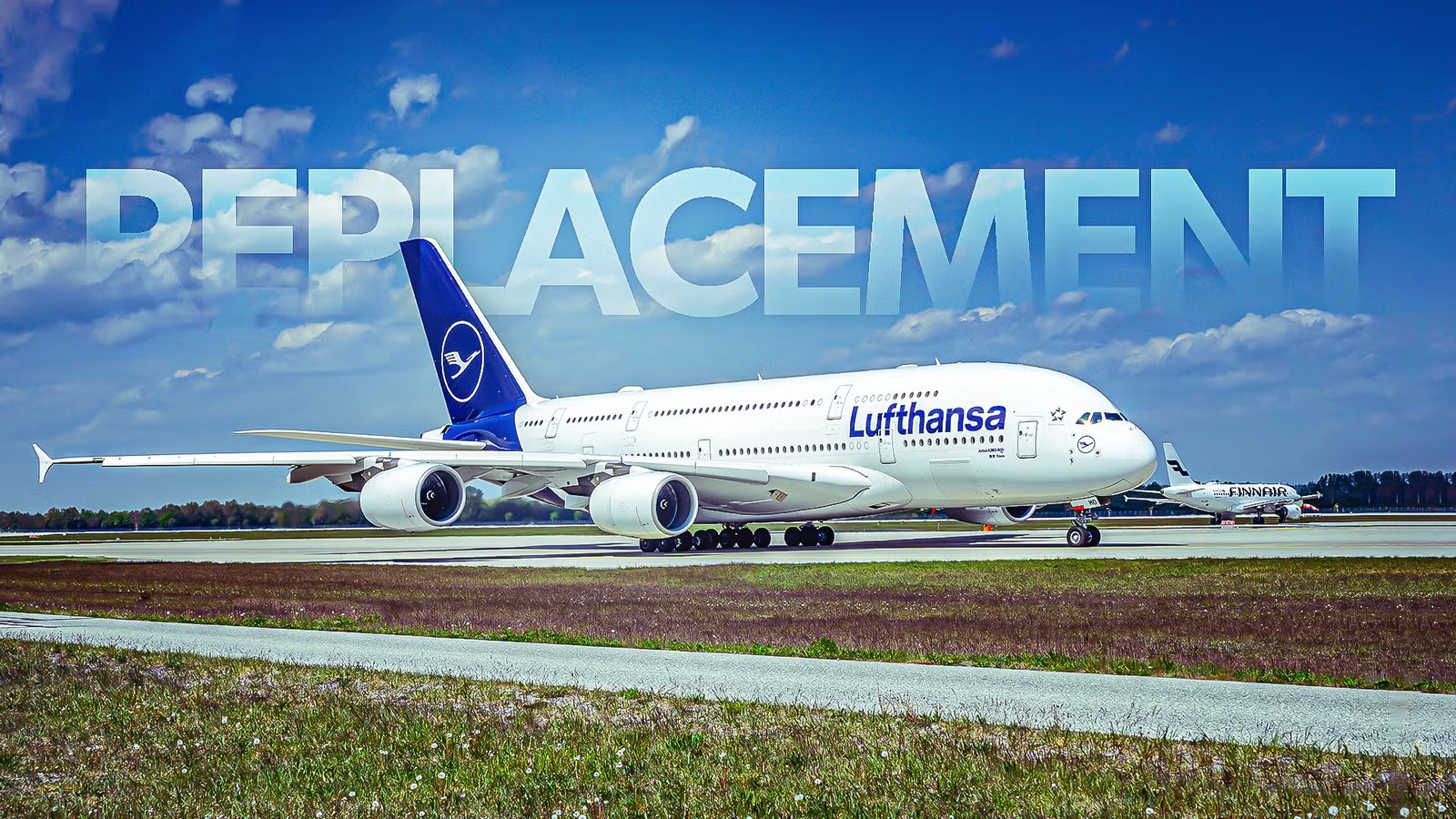
European operators of the Airbus A380 aren’t faring much better, with UK flag carrier and oneworld founding member British Airways having seen a 15% year-on-year drop. Indeed, April and May of 2025 saw the airline schedule a grand total of 976 flights with the Airbus A380, but, this time around, the figure comes to 832. Meanwhile, Germany’s Lufthansa has dropped 13% from 621 to 542 A380 flights.

British Airways Axes Airbus A380 Flights On This Major US Route: Here’s Why
The carrier has made an unexpected decision, removing all A380 flights from London Heathrow to this very popular destination for the upcoming winter.
Some Airlines Are Operating More Airbus A380 Flights Than Before

With that being said, all hope is not lost for the Airbus A380, as a select handful of its operators have actually scheduled more flights with the type in April and May of 2026 than they did this time last year. Most notably, Australian flag carrier Qantas has seen a 27% boost, with its total rising from 492 flights to 625. All Nippon Airways isn’t far behind, with its jump from 174 flights to 220 being a 26% boost.
Elsewhere, Singapore Airlines’ proportional increase has also cleared the 20% mark, with its 2026 total of 1,038 scheduled flights with the Airbus A380 in May being 22% higher than last year’s figure of 854. Meanwhile, with 581 flights compared to 529, Asiana’s schedules are up by 10%.