dailynewsnblog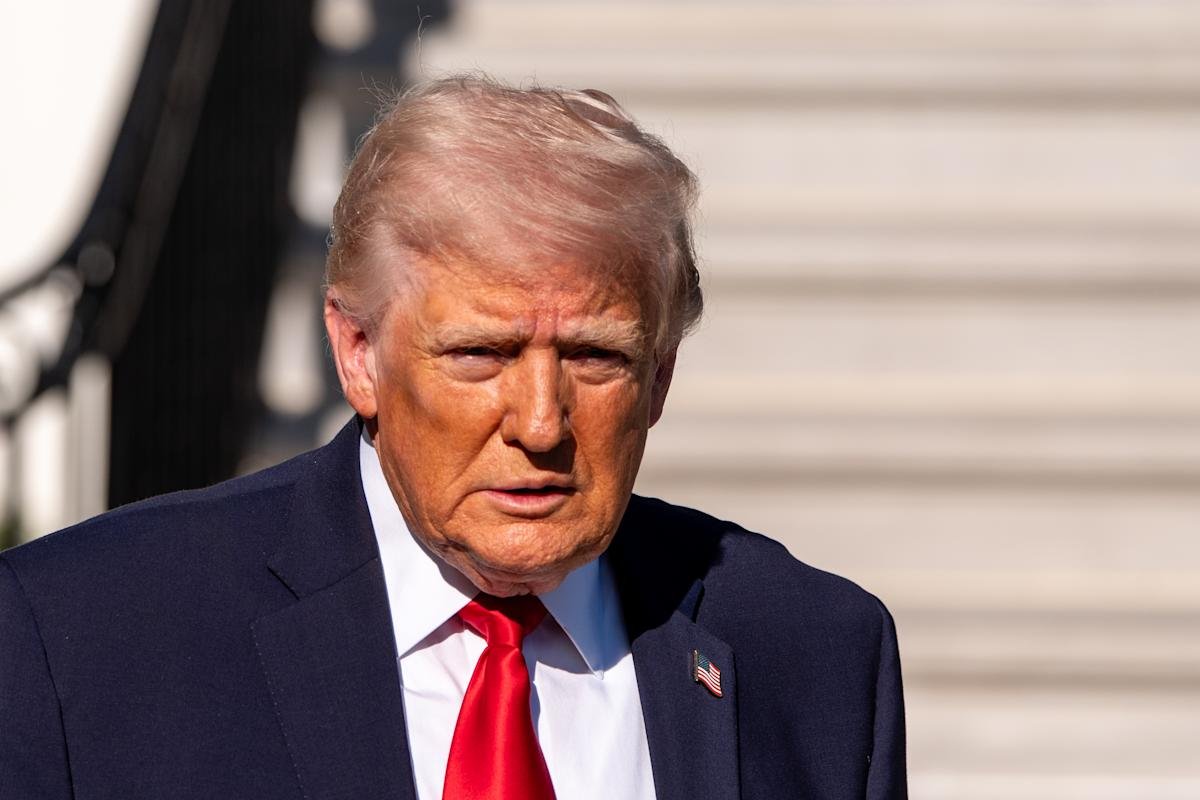
(Bloomberg) — President Donald Trump said the US will blockade the Strait of Hormuz following the failure of peace talks with Iran in Islamabad this weekend, a move that will likely exacerbate oil and fuel shortages globally.
“Effective immediately, the United States Navy, the Finest in the World, will begin the process of BLOCKADING any and all Ships trying to enter, or leave, the Strait of Hormuz,” Trump said in a social media post, essentially blocking Iran’s means of exporting oil.
Vice President JD Vance and envoys Steve Witkoff and Jared Kushner left the region Sunday after 21 hours of negotiations with top Iranian officials, mediated by Pakistan in an effort to end the six-week-old war. The failed talks left the ceasefire clinched last week in limbo, and Trump’s post signals more peril for the deal.
Hormuz is the world’s most important energy chokepoint, accounting for about a fifth of the world’s oil and liquefied natural gas. A full blockade of the strait would further roil global oil markets by choking off the remaining trickle of shipments that have continued to move through the waterway.
A blockade would also sever a key financial lifeline for Iran, which has continued to export at levels similar to before the war, while benefiting from surging prices for its crude. Oil futures ended last week 30% above where they were before the war, while traders are paying record amounts north of $140 a barrel for some real-world cargoes as they scramble for supplies.
Iran’s semi-official media cited “excessive” US demands for the failed talks. But the country’s foreign ministry said it was natural that differences wouldn’t be resolved in a single round of negotiations, leaving the door open for more discussions.
The Trump administration used a similar approach against Venezuela earlier this year — effectively enforcing a blockade against its sanctioned crude on the open seas before its January capture of Nicolas Maduro.
Roughly a dozen warships were summoned for that effort. While the operation concentrated on the Caribbean, seizures sometimes happened far from Venezuela, including in the Indian Ocean.
Trump didn’t say Sunday where the US would enforce its blockade against Iran. But his declaration comes after weeks of encouragement from some energy experts, who cast the approach as a way to deprive Iran of revenue tied to oil and strengthen US leverage against Tehran as it seeks a full opening of the Strait of Hormuz.
If Trump orders the Navy to blockade the strait itself, he puts US assets in danger of Iranian missiles. But the US could more easily enforce a blockade out of reach of most of Tehran’s weaponry, in the Arabian Sea and other waters.