dailynewsnblog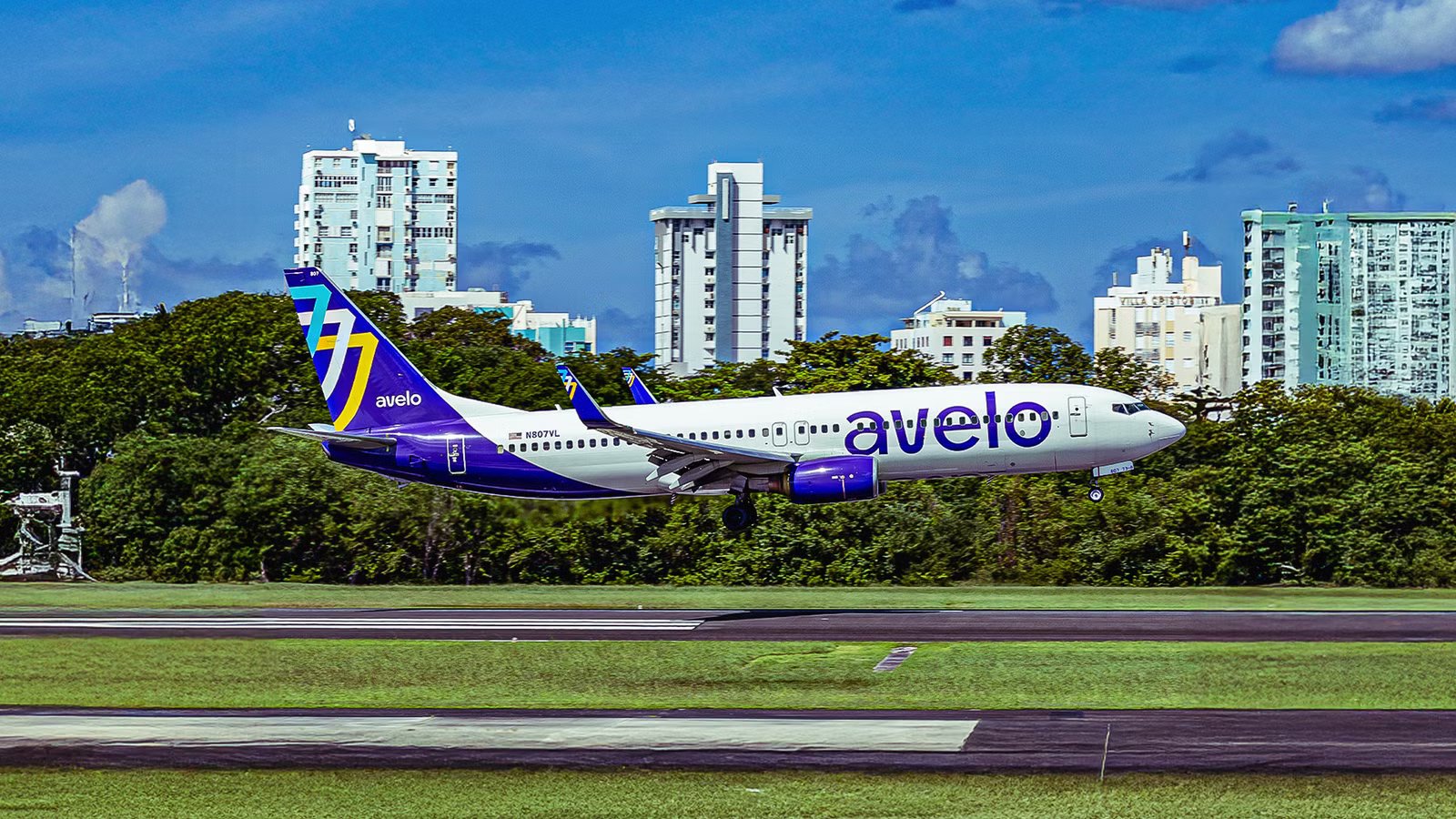
The last few years have been difficult for US-based ultra-low-cost operator Avelo Airlines, with the carrier having faced extensive criticism and even boycott calls amid its involvement in ICE deportation charter flights. With these having now ceased, Avelo Airlines is looking to reinvent itself as a more streamlined carrier, which has been reflected in alterations to its fleet strategy. Elsewhere, change is also afoot when it comes to its network.
Indeed, the most notable change in 2026 on this front has been the cessation of its few remaining international routes, with Avelo instead focusing on domestic travel to and from underserved smaller markets with potential for growth. Let’s take a look at why Avelo made this change, and where it used to fly abroad.
Avelo’s Final International Flights

According to historical scheduling data made available by Cirium, an aviation analytics company, Avelo operated its last scheduled international services in January of this year. As detailed in the map above, these routes primarily focused on connecting the eastern United States with destinations in Mexico and the Caribbean. Bradley International Airport (BDL) in Windsor Locks, Connecticut, accounted for three of the six routes.
These served Cancun (CUN), Montego Bay (MBJ), and Punta Cana (PUJ), with Avelo’s last-ever scheduled international service coming on January 25 between Windsor Locks and Montego Bay. Elsewhere, the carrier also flew from Wilmington (ILM) to Punta Cana and Raleigh Durham (RDU) to Montego Bay and Punta Cana. However, in January of 2026, Avelo announced a series of major network changes, with the airline explaining that:
“These changes enable Avelo to focus on sustainably scaling five core bases in 2026 and to prepare the company for growth in the coming years.”
Low Load Factors & Restructuring Efforts Were Key Factors

The major headline of Avelo Airlines’ operational restructuring was a simplified network based around five key bases. Of these, four are airports that it was already serving, namely New Haven, Connecticut (HVN), Philadelphia / Delaware Valley (ILG), Charlotte / Concord, North Carolina (USA), and Central Florida / Lakeland (LAL). Later this year, a fifth base will be added to Avelo’s roster in the form of Dallas / McKinney Airport in Texas (TKI).
With none of the three airports that it was operating international flights from being among the smaller selection of bases that the new consolidated airline would be flying out of, the cessation of Avelo Airlines’ foreign services was arguably something of an inevitability. With that being said, even regardless of the network restructure, these routes abroad were never among the best performers when it came to their average load factors.
Of the five international routes that Cirium had load factor data for in 2025, the best performer (Windsor Locks to Montego Bay) had a figure of 78.2%. While this is far from empty, it is comfortably below the worldwide average, which IATA data puts at 83.6%. Elsewhere, Raleigh Durham and Windsor Locks to Punta Cana both had load factors in the 70s, with Windsor Locks to Cancun at 61.5% and Raleigh Durham to Montego Bay at just 52%.

Only 27% Full: Avelo Airlines’ 10 Emptiest Routes Revealed
Discover the shocking low load factors on Avelo Airlines’ emptiest routes, but there’s a twist…
A Fleet In Flux

As such, with below-average load factors across the board on its international routes, it would have been difficult for Avelo Airlines to continue to operate these on a profitable basis. Going forward, Avelo looks set to boost its load factors domestically with the deployment of smaller aircraft, following an order for up to 100 next-generation Embraer E195-E2 regional jets (50 firm plus options for 50 more) that it placed in September 2025.
At the time of its announcement, Avelo said that these new jets will support “the airline’s strategy to deliver affordable and convenient travel across the United States,” giving a clear indication of its domestic focus going forward. Another key piece of recent fleet news from the carrier was the fact that, in conjunction with its operational restructuring efforts, “Avelo’s fleet will be modified by the removal of six Boeing 737-700 Next Generation aircraft.”