dailynewsnblog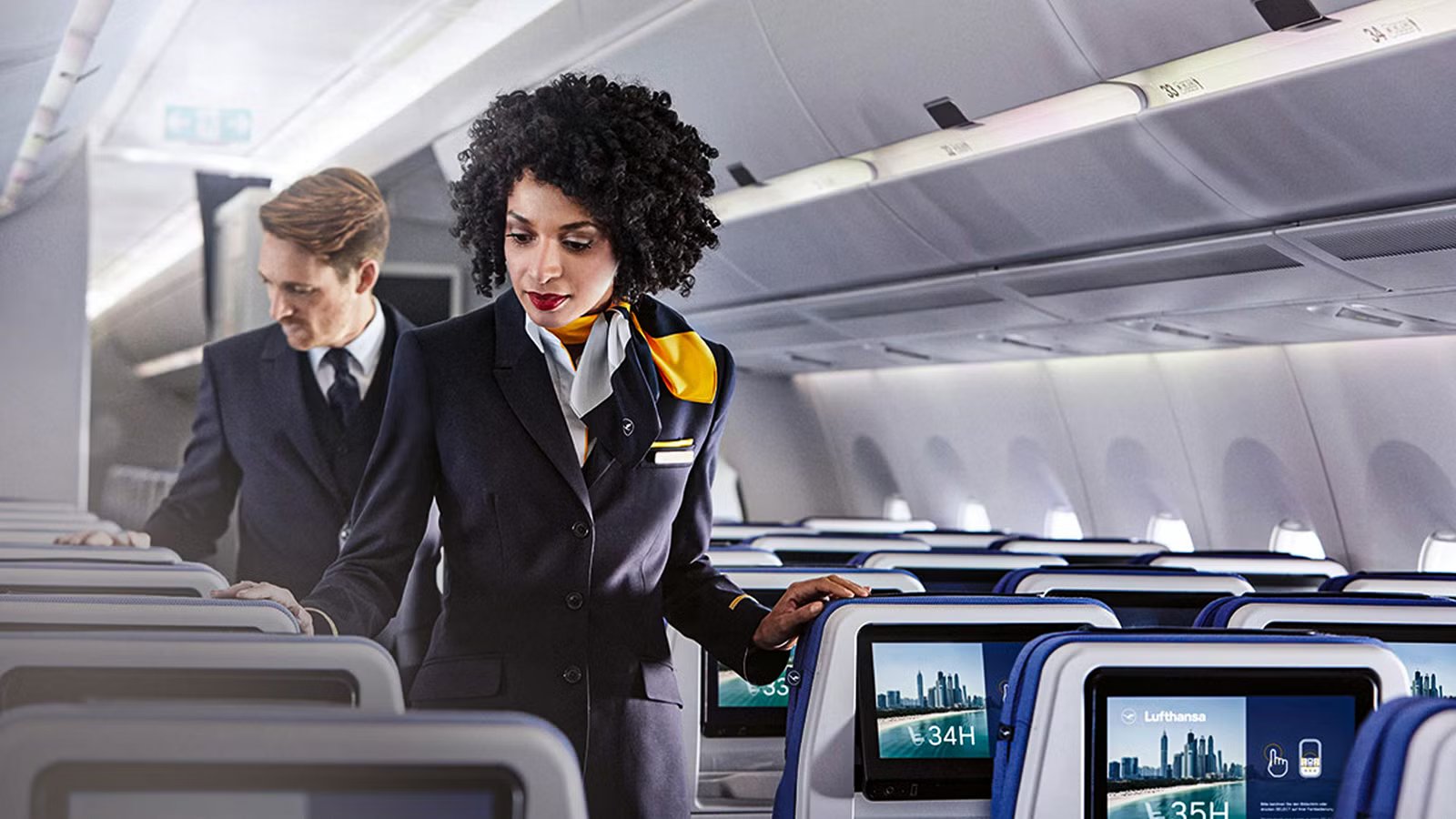
Once on board an aircraft, cabin crew prepare for the flight by completing security and safety checks and making sure that everything is prepared before boarding the passengers. However, the boarding process is more significant than you might think. Passengers are greeted at the door, and their boarding passes are checked to confirm that they are on the correct flight and going to the correct destination. The flight attendants will point the passenger in the direction of their seat.
During this short process, flight attendants are carefully observing every passenger for many different reasons. There are also further crew members stationed in the cabin at various points to help passengers find their seats and stow their luggage. They will also greet the passengers on an individual basis, which is not just an example of being polite, but also continuing their observations. Why do flight attendants do this, and what are they looking for?

The first thing flight attendants look for is those who need extra assistance during the boarding process or in an emergency evacuation. They will already know about people with reduced mobility, unaccompanied minors, those with sight or hearing challenges, and wheelchair users, as they are discussed in the pre-flight safety briefing and are listed on the passenger information list. The flight attendants will also look out for the elderly, injured, and parents with infants, who may need extra help.
They will also look for anyone who has visible signs of sickness. Although flight attendants are trained to deal with medical emergencies, no one wants one to happen during a flight. It is estimated that one in every 212 flights will have a medical emergency, according to the National Institute of Health. Of these, diversion occurred in 1.7% of cases due to neurological or cardiovascular conditions, and 0.4% resulted in death onboard. In some cases, a person with a communicable disease may be offloaded.
Nervous flyers are fairly common, and passengers who have a fear of flying can mention it to a flight attendant. They will reseat them to a central position over the wing if at all possible or close to a flight attendant jumpseat. They can talk through the sounds and movement of the aircraft and reassure them, and keep an eye on them during the flight.
Help In An Emergency

During boarding, flight attendants look for able-bodied passengers who can help them during an emergency evacuation. They must have no physical restrictions and speak English or the local language of the crew. These can be police officers, firefighters, or off-duty flight crew and flight attendants. They may be tasked with operating an emergency exit, helping people off the slide, holding up a deflated slide, and moving passengers away from the aircraft.
There are several restrictions on who can sit in an emergency exit row, and the ground staff allocate these seats accordingly. Flight attendants will also brief those sitting there on how to operate the exit door in an emergency and ask if they speak English and are willing to help in an emergency. If not, they need to be reseated. Passengers who are obese, pregnant, elderly, those with infants, children, or the injured cannot sit on the emergency exit row.
Doctors are often listed on the manifest, which can be helpful in a medical emergency if the flight attendants need extra assistance. Off-duty crew members, too, are often listed as they will travel on the airline’s staff travel scheme. They are trained in safety procedures and know how to evacuate an aircraft, so they are a useful resource should an emergency occur.

How Do Flight Attendants Deal With Diversions?
Just another part of the job.
The Unusual

Passengers who drink too much or seem drugged before a flight can be offloaded during boarding if necessary. If a passenger drinks too much during a flight, they can be refused any further alcoholic drinks. Passengers are not allowed to bring their own alcohol onboard to drink during a flight, as this is illegal, and flight attendants can confiscate such items until disembarkation.
Passengers who are rude or entitled will also be made a note of. This can then be added to the passenger’s information for the crew’s reference on future flights. In extreme cases and if the behavior continues, a passenger can receive a travel ban from the airline. Flight attendants will notice when passengers are talking during the safety demonstration, playing with their phones, or wearing headphones. They are less likely to know what to do in an emergency and less likely to follow the crew’s instructions or be compliant.
There are also some more unusual things that flight attendants are trained to look for during the flight. There are certain behaviors that may suggest a passenger may be acting as a drug mule and carrying items internally. Unusual-looking relationships with young passengers and (usually) an older controlling male may suggest a case of human trafficking, especially if the young passenger makes unusual hand signals. Anything unusual should always be reported to the Captain, who can arrange for security to meet the aircraft.
Disruptive Passengers

There has been a surge in disruptive passengers since the COVID-19 pandemic, and we see incidents online almost on a daily basis. Saying that, since the Federal Aviation Administration set a zero-tolerance policy and imposed hefty fines on disruptive passengers, the number in the US has dropped considerably. As such, flight attendants are looking for anyone who may later become disruptive during the flight. This may include passengers who are aggressive, display entitled behavior, or are intoxicated or medicated.
During the boarding process, flight attendants are looking for any potentially disruptive behavior. It is much easier to offload a passenger on the ground than to have issues during the flight that can lead to crew or passenger injury and threaten the safety of the aircraft. This could lead to the restraint of the passenger and diversion to the nearest airport, where the passenger will be offloaded to law enforcement teams.
In 2024, there were over 2,100 cases of disruptive or unruly passengers reported by US airlines, and the Irish Aviation Authority recorded 1,432 ‘events’ compared to 426 the previous year, according to RTE. Meanwhile, Switzerland’s Federal Office of Civil Aviation reported 1,730 cases in the same year. The FAA responded to this by fining passengers and having them pay diversion costs of anywhere between $15,000 and $100,000.

Should Overhead Bin Space Be Guaranteed For Everyone?
Travelers often experience increased stress and anxiety about the possibility of having to check their carry-on luggage involuntarily.
Passenger Appearance

It might sound unusual that flight attendants may notice a passenger’s appearance for a number of reasons. Safety is one of those reasons. They will immediately know if your baggage is too large for the overhead locker. They will notice any sharp item, such as spiky jewelry or high-heeled shoes, that needs to be removed in a planned or unplanned emergency. This is because these items may puncture the evacuation slide. Flight attendants will notice people’s clothing and shoes, and if they are suitable for an evacuation.
Flight attendants will notice inappropriate attire, with beachwear and pyjamas not being acceptable on an aircraft. If not covered up enough, flight attendants may provide a blanket for the passenger to cover themselves. Clothing should not be offensive or feature curse words or be provocative in any way. Airports are getting more restrictive with how people are dressed, as noted by the New York Times, and, if it is not suitable for the airport, it is not suitable for the aircraft. Any oversized baggage will be placed in the hold.
It is sometimes thought that, if a passenger is dressed smartly, they may be at an advantage if overbooking occurs, as this can result in them being given higher priority for an upgrade. Flight attendants notice people who greet them, are smiling, and polite, as this is rarely the case, with some passengers settling in without so much as a ‘hello.’ The crew are more likely to take care of them with extra drinks and snacks during the flight. This also applies to off-duty flight crew and flight attendants who may be given a discreet bag of items to enjoy later.
The Bottom Line

All flight attendants aim to have a safe and efficient flight, and they are there for the safety and comfort of passengers. They are making sure that the boarding process is as efficient as possible and that an on-time departure is achieved. They look for anyone who may need any extra assistance at any point of the flight and may need help during an emergency evacuation. They are also thinking ahead to the logistics of the service in their assigned area.
Safety is at the heart of everything flight attendants do. Therefore, during the boarding process, they are carefully observing every passenger and watching for anyone who may be a threat to the safety of the aircraft. The aim is to identify any possible problems on the ground before take-off. This would be obvious in terms of disruptive passengers or showing aggressive behavior. However, there are more subtle items to look for, too. This could, in rare cases, involve drug smuggling or human trafficking.
During the flight, flight attendants may scan the passengers for potential medical emergencies. The role needs strong situational awareness, emotional intelligence, an empathetic nature, and decision-making skills. Flight attendants are primarily there for safety and are trained to deal with any emergency that may occur onboard. However, this starts immediately during the boarding process, enabling them to stop issues before they start.