Big banks are entering Q1 earnings season on less certain footing than in January


Wall Street’s biggest banks are riding into the first quarter earnings season on far less certain ground than where they began 2026. This coming week, their ability to churn out more profits will once again be put to the test.

The procession kicks off on Monday with Goldman Sachs (GS) reporting, followed by JPMorgan Chase (JPM), Citigroup (C), and Wells Fargo (WFC) going on Tuesday, and Bank of America (BAC) and Morgan Stanley (MS) rounding out the group on Wednesday.

Investors have humbled the stock prices of these major lenders over the past three months after bidding them to record highs late last year.

Worries ranging from a spillover of the private credit world’s shakeout to a raging US-Israeli war with Iran have loomed largest, spurring the Nasdaq KBW Bank Index (^BKX) to its worst first quarter performance since 2023’s mini banking crisis. That wider banking industry index is up 1% year to date,

Analysts expect quarterly earnings to look solid. Collective profits for these six big lenders are forecast to climb 5% compared to a year ago, according to data compiled by Bloomberg. These giants are also expected to post year-over-year rises across overall dealmaking and trading fees.

“There is some renewed optimism here and I think there is the expectation that results are going to be pretty good, but it’s certainly not as bullish as it was in January,” said HSBC analyst Saul Martinez, who covers US banks. “And that’s a healthier setup.”

Perhaps, more important than actual results will be what the bosses of major lenders say during earnings calls about their dealmaking outlook, exposure to private debt, and the general health of the US economy amid historically high oil prices.

Read more: How oil price shocks ripple through your wallet, from gas to groceries

A year ago, amid implications of a sweeping rollout of the Trump administration’s tariffs, big bank bosses addressed a growing freeze in the deals market and worries of a US recession. Both proved temporary.

“What you’re a lot more worried about today is stagflation,” Bank of America analyst Ebrahim Poonawala told Yahoo Finance. “But the risk of a recession could rise if this war becomes something that creates an extended period of supply chain disruptions while oil goes even higher.”

Another major concern is negative spillover from the world of private credit. Earlier this year, investors began to worry about the exposure private debt funds hold in loans tied to software companies at risk of disruption from advances in artificial intelligence.

Meanwhile, a growing list of private fund giants, such as Apollo (APO), Blue Owl (OWL), BlackRock (BLK), Carlyle (CG), Morgan Stanley (MS) and others, have seen a wave of investor redemption requests in recent weeks, with most imposing 5% limits on how much investors can get back on a quarterly basis. (Disclosure: Yahoo is a portfolio company of funds managed by affiliates of Apollo Global Management.)

Big banks not only lend to these funds, but they also manage some of their own. Fed Chair Jay Powell, JPMorgan CEO Jamie Dimon, and others have played down the systemic implications of the dynamic.

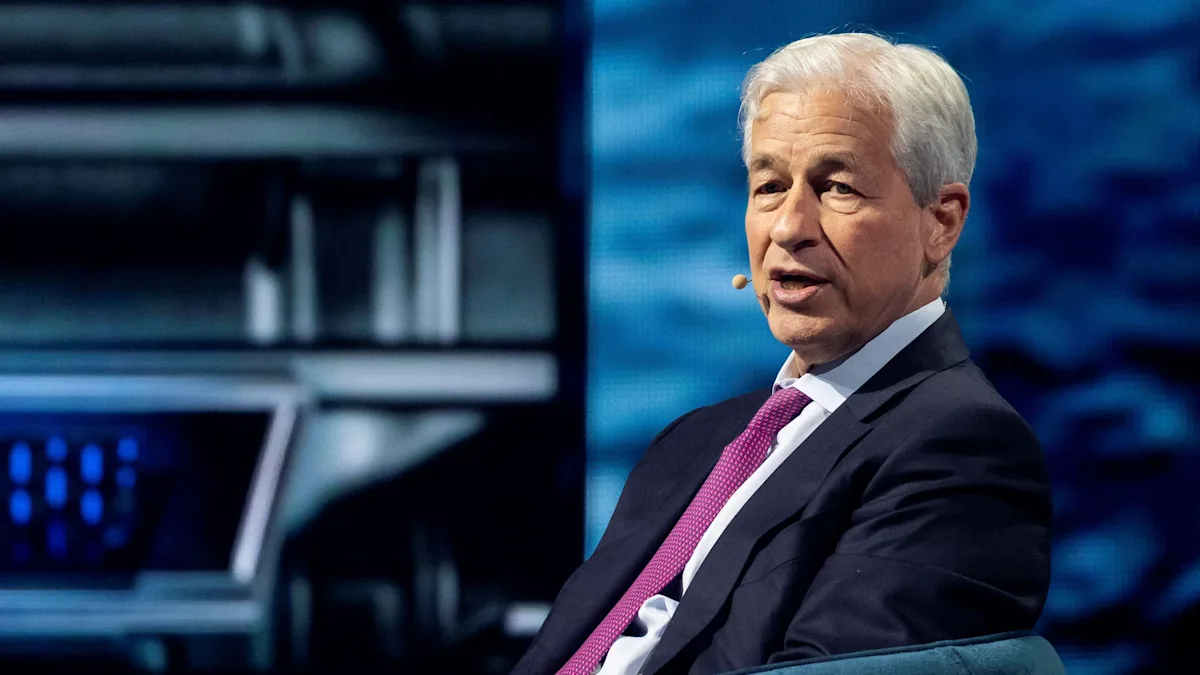
Jamie Dimon, Chairman and Chief Executive Officer of JPMorgan Chase & Co., speaks during the America Business Forum at Kaseya Center in Miami, Florida, U.S. November 6, 2025. REUTERS/Marco Bello
JPMorgan chair and CEO Jamie Dimon speaks during the America Business Forum at Kaseya Center in Miami on Nov. 6, 2025. (Reuters/Marco Bello) · Reuters / REUTERS

“The implications of AI for the software industry, limitations on liquidity in private assets, and uncertainty regarding the accuracy of direct lending funds’ pricing have been there for years,” Oaktree co-founder and co-chair Howard Marks wrote in a memo this week.

“But, simply put, people may not have asked enough questions or paid enough attention in the good times,” Marks added.

Dimon also addressed private credit concerns in his shareholder letter published earlier this month.

“There are many players who are late to this game, and it should be expected that some credit providers will do a far worse job than others,” Dimon wrote.

David Hollerith is a senior reporter at Yahoo Finance covering the cryptocurrency and stock markets. Follow him on X at @DsHollers.

Click here for the latest stock market news and in-depth analysis, including events that move stocks

Read the latest financial and business news from Yahoo Finance


Source link

  • Related Posts

    Shaquille O’Neal on the NBA dunk contest: ‘It’s been sucky’

    Shaquille O’Neal has had enough with the NBA All-Star weekend slam-dunk contest. “So, All-Star weekend, forget the All-Star game. The highlight of the weekend was the dunk contest and the…

    Calif. governor candidate accused of sexual assault

    IE 11 is not supported. For an optimal experience visit our site on another browser. Skip to Content news Alerts There are no new alerts at this time 01:05 Calif.…

    Leave a Reply

    Your email address will not be published. Required fields are marked *

    You Missed

    Shop The Best Zara French-Girl Items This Spring

    Shop The Best Zara French-Girl Items This Spring

    Shaquille O’Neal on the NBA dunk contest: ‘It’s been sucky’

    Shaquille O’Neal on the NBA dunk contest: ‘It’s been sucky’

    Calif. governor candidate accused of sexual assault

    Calif. governor candidate accused of sexual assault

    Pro-Iran Explosive Media trolls Trump with AI-generated Lego cartoons

    Pro-Iran Explosive Media trolls Trump with AI-generated Lego cartoons

    Dubai Cuts Foreign Airlines To One Daily Flight While Emirates Flies On

    Dubai Cuts Foreign Airlines To One Daily Flight While Emirates Flies On

    Why the Nato alliance is not as likely to dissolve as Trump makes it seem | Nato

    Why the Nato alliance is not as likely to dissolve as Trump makes it seem | Nato