dailynewsnblog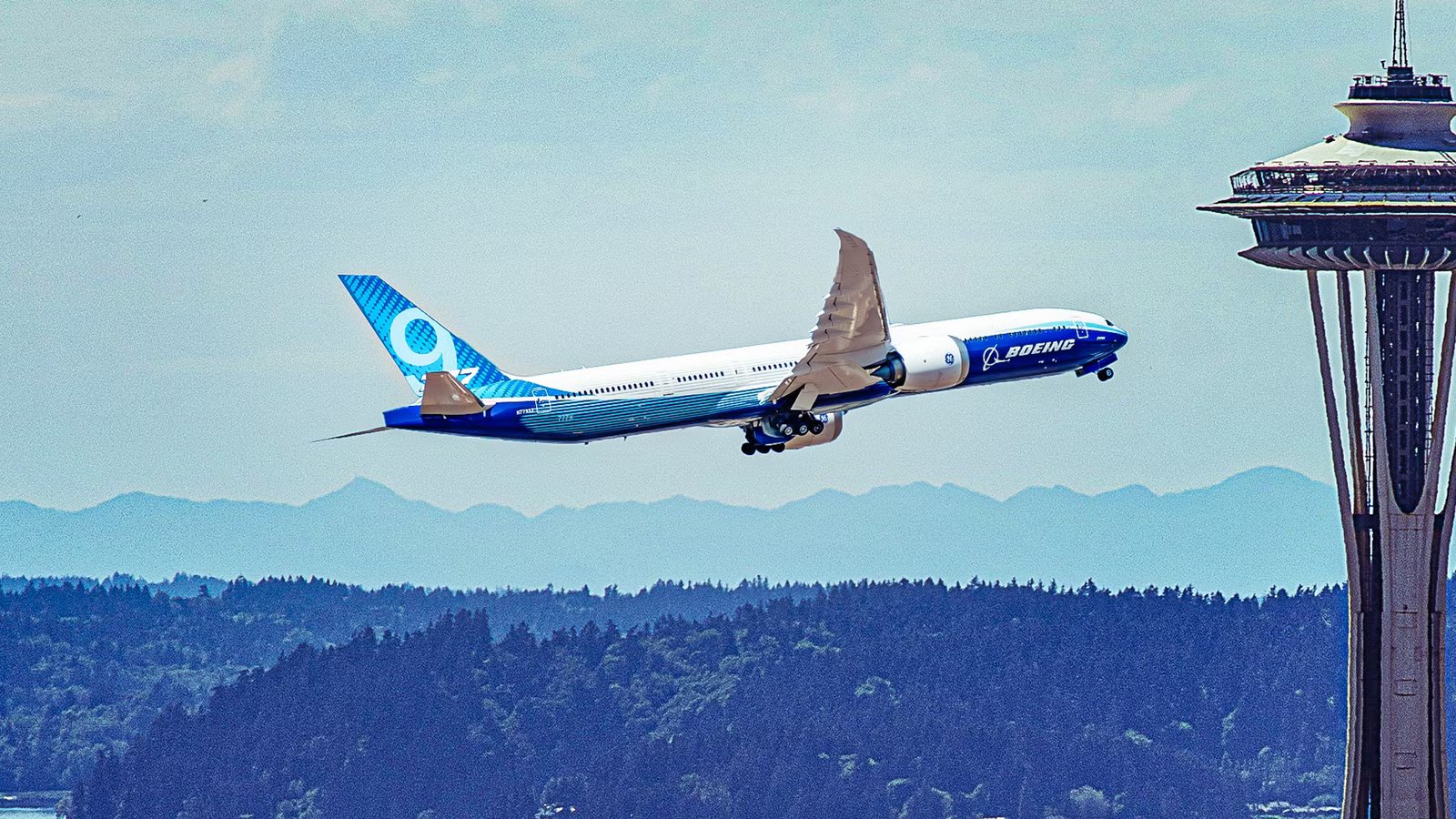
The Boeing 777X program was once positioned as the natural evolution of the highly successful 777 family, promising unmatched fuel efficiency, extended range, and cutting-edge wing technology. Instead, it has become one of the most closely scrutinized aircraft development efforts in modern aviation. Years of delays, regulatory hurdles, and shifting market conditions have pushed the program roughly six years behind its original schedule, while development costs have ballooned to over $15 billion.
Despite these setbacks, recent certification progress suggests the program is finally approaching a meaningful inflection point. The Federal Aviation Administration’s decision on March 17, 2026, to clear the 777-9 for Phase 4A of its Type Inspection Authorization testing marks one of the most significant milestones in years. Combined with an anticipated first flight of a production-standard aircraft and a targeted entry into service in 2027, Boeing now faces a narrow but realistic path to completion. This article breaks down exactly where the 777X certification effort stands today, what has been accomplished, what remains, and what risks still threaten the timeline.
Defined By Delays And Escalating Costs

Wikimedia Commons
The 777X was formally launched in 2013, with initial service entry targeted for 2020. That timeline has since slipped repeatedly due to a combination of technical challenges, certification scrutiny, and external shocks. At the center of the delay is a broader shift in regulatory oversight following the Boeing 737 MAX crisis. Certification standards tightened significantly, particularly around flight control systems, redundancy, and software validation. As a result, the 777X has undergone far more rigorous testing and documentation than originally planned.
Compounding this were technical issues during development. Early flight testing revealed concerns with the aircraft’s flight control software and structural components, requiring redesigns and additional validation cycles. The COVID-19 pandemic further disrupted global supply chains and reduced airline demand, giving Boeing less urgency but also fewer financial buffers.
The financial toll has been substantial. Boeing has accumulated more than $15 billion in development charges tied to the 777X program. These costs reflect not only engineering work but also prolonged testing, production delays, and the need to maintain partially completed aircraft. The result is a program that must now deliver near-flawless execution during its final certification stages to avoid further financial and reputational damage.
What Phase 3 Testing Accomplished

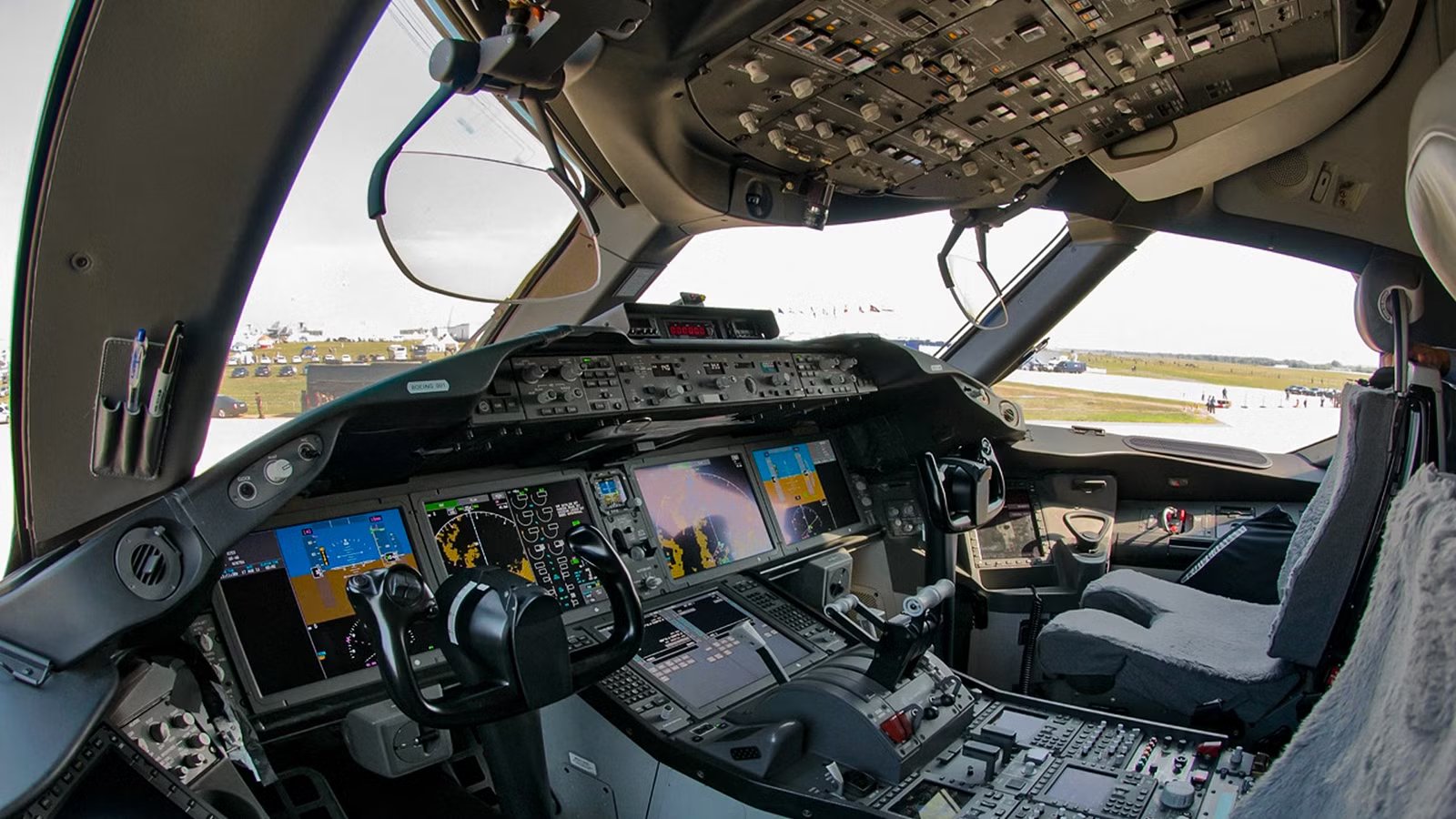
Before reaching its current milestone, the 777-9 spent months in Phase 3 of the Type Inspection Authorization process, which began in November 2025. This phase focused heavily on the aircraft’s most critical systems, particularly avionics and primary flight controls. Phase 3 is when regulators evaluate how the aircraft behaves under complex, often extreme conditions. This includes validating flight control laws, ensuring redundancy systems operate correctly, and confirming that pilot inputs translate predictably across all flight regimes.
For the 777X, this phase was especially important due to its advanced fly-by-wire architecture and the integration of new technologies such as folding wingtips. These features introduce additional layers of complexity that must be proven safe under every conceivable operating condition. By completing Phase 3, Boeing demonstrated that the aircraft’s core systems meet the FAA’s stringent safety requirements. This was not a minor achievement. It effectively validated the fundamental design of the aircraft, allowing the program to move forward with broader system-level testing.
However, passing Phase 3 does not guarantee certification. It confirms that the aircraft’s most critical systems, such as avionics and primary flight controls, perform reliably in isolation and meet baseline regulatory expectations, but it does not prove how those systems behave when fully integrated across the entire aircraft in dynamic, real-world conditions. The remaining phases are designed to close that gap by shifting the focus from component-level validation to overall performance, examining how multiple systems interact under varying environmental, operational, and stress scenarios. The final steps involve testing routine airline operations to edge cases that test resilience and redundancy, where subtle integration issues that were not visible earlier are most likely to emerge and must be resolved before certification can be granted.

How Will Airlines Train Their Pilots For The Boeing 777X?
The 777X promises to revolutionize long-haul travel, but one key piece is missing…
Phase 4A: A Critical Turning Point

On March 17, 2026, the FAA officially cleared the 777-9 to begin Phase 4A testing. This decision represents one of the most meaningful signs of progress since the program began. Phase 4 is divided into two segments: 4A and 4B. Together, they represent the final and most comprehensive stage of certification testing. Unlike earlier phases, which isolated specific systems, Phase 4 evaluates the aircraft as a fully integrated platform operating in real-world conditions.
Phase 4A introduces FAA pilots directly into the testing process. This is a crucial shift. Instead of relying solely on manufacturer data and internal test pilots, regulators now actively participate in evaluating the aircraft’s performance. This phase is designed to uncover issues that only emerge when systems interact under realistic conditions. It is also where certification programs often encounter unexpected delays.
|
Key Elements of Phase 4A Testing |
|---|
|
Real-world flight scenarios across various weather and operational conditions |
|
Evaluation of secondary systems such as environmental controls, cabin pressurization, and electrical systems |
|
Ground testing that simulates airline operations, including turnaround procedures and maintenance workflows |
Source: WRAL
For Boeing, successfully progressing through Phase 4A will demonstrate not only technical readiness but also regulatory alignment. Any significant findings during this phase could still impact the timeline.
Pushing Towards A Production-Standard Aircraft

While certification testing continues, Boeing is simultaneously preparing for a major operational milestone: the first flight of a production-standard 777-9. This aircraft, expected to fly as early as April 2026, is not just another test platform. It is built to the same configuration that will be delivered to airlines, specifically the launch customer,  Lufthansa.
The distinction matters. Earlier test aircraft often include instrumentation and non-standard components used for data collection. A production-standard aircraft reflects the final design that regulators must approve, and airlines will operate.
The upcoming flight will serve several purposes: 1) Validating that the production configuration performs as expected, 2) Supporting certification by demonstrating consistency between test and production models, and 3) Allowing Boeing to begin transition planning with airline customers.
This milestone also signals that Boeing’s manufacturing processes are stabilizing. After years of delays, moving toward deliverable aircraft is a key step toward restoring confidence among customers. However, the timing remains tight. Any issues discovered during or after this flight could ripple into the certification schedule, particularly if they require design changes.

How Many 777Xs Has Boeing Already Started Building?
Boeing’s 777X program faces delays and challenges, but how many aircraft have they built so far?
Airline Adaptation And Market Pressure

The prolonged delay of the 777X has forced airlines to rethink their fleet strategies, often at significant cost. Lufthansa, the program’s launch customer, has had to extend the life of older aircraft, including Airbus A340s, Boeing 747-400s, and even the Airbus A380. These aircraft are less fuel-efficient and more expensive to operate than the 777X was intended to replace.
 Emirates, the largest customer with 270 orders, has taken a different approach. The airline has invested billions into retrofitting its existing fleet of 777s and A380s, upgrading cabins, and extending operational lifespans to bridge the gap until the 777X arrives. These adaptations highlight the broader impact of the program’s delays; airlines plan fleets years in advance, and disruptions at this scale force costly adjustments.
|
777X Order Log |
|
|---|---|
|
Aircraft Type |
Total Orders |
|
777-8 |
35 |
|
777-9 |
521 |
|
777-8F |
63 |
|
Total |
619 |
Source: ch-aviation
At the same time, demand for large, long-haul aircraft has proven more resilient than expected. As international travel rebounds, airlines still see value in high-capacity, efficient widebody jets. This demand underpins continued interest in the 777X despite its troubled development. However, patience is not unlimited. Further delays could push some airlines to reconsider their commitments or seek alternatives, particularly as competing aircraft continue to evolve.
Conclusion: Progress, But No Room For Error

The Boeing 777X program has entered its most decisive phase. With Phase 3 testing complete and Phase 4A now underway, certification is closer than ever. The anticipated first flight of a production-standard aircraft adds further momentum, suggesting that Boeing is aligning both its engineering and manufacturing efforts toward a 2027 entry into service. Yet the margin for error remains extremely thin.
Phase 4 testing is historically where complex programs encounter their final challenges. The involvement of FAA pilots, combined with real-world operational scenarios, increases the likelihood of uncovering issues that were not apparent in earlier phases. At the same time, financial pressure continues to mount. With more than $15 billion already invested and years of delayed revenue, Boeing cannot afford another major setback.
For airlines, the stakes are equally high. Fleet plans, operational efficiency, and long-term profitability all hinge on the timely arrival of next-generation aircraft like the 777X. In practical terms, the program’s current status can be summarized as cautiously advancing. Major technical hurdles appear to have been addressed, and regulatory progress is tangible. However, certification is not yet secured, and the final steps are often the most unpredictable.
If Boeing can navigate Phase 4 without significant disruptions, the 777X may finally transition from a prolonged development effort into an operational reality. If not, it risks extending its status as one of the most delayed and expensive commercial aircraft programs in aviation history.