dailynewsnblog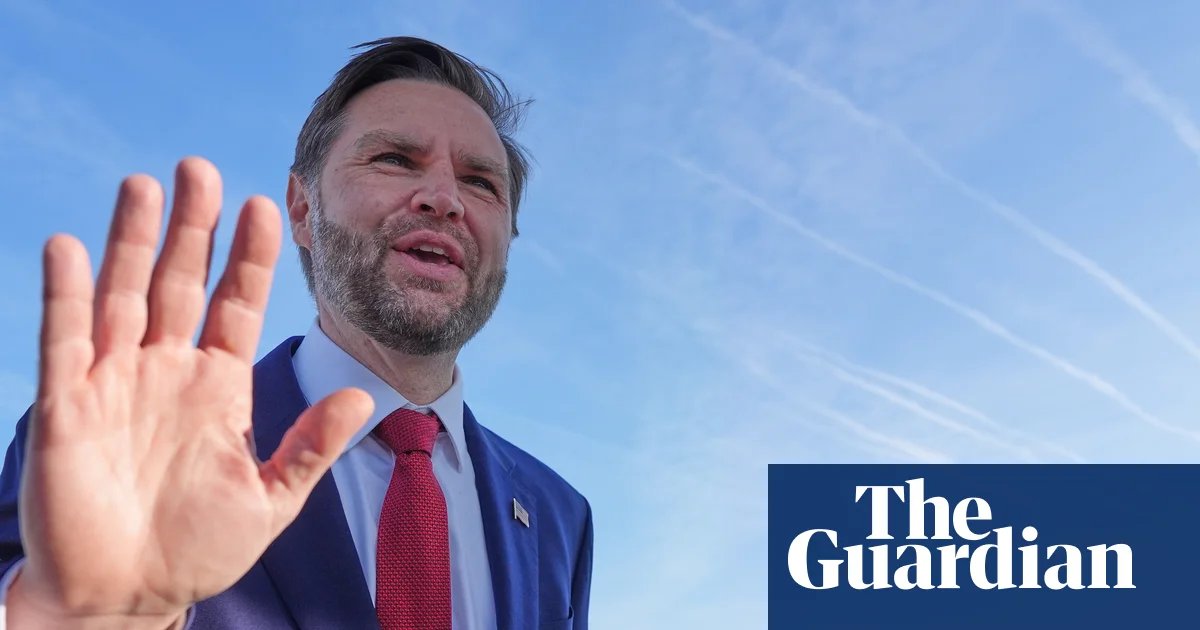
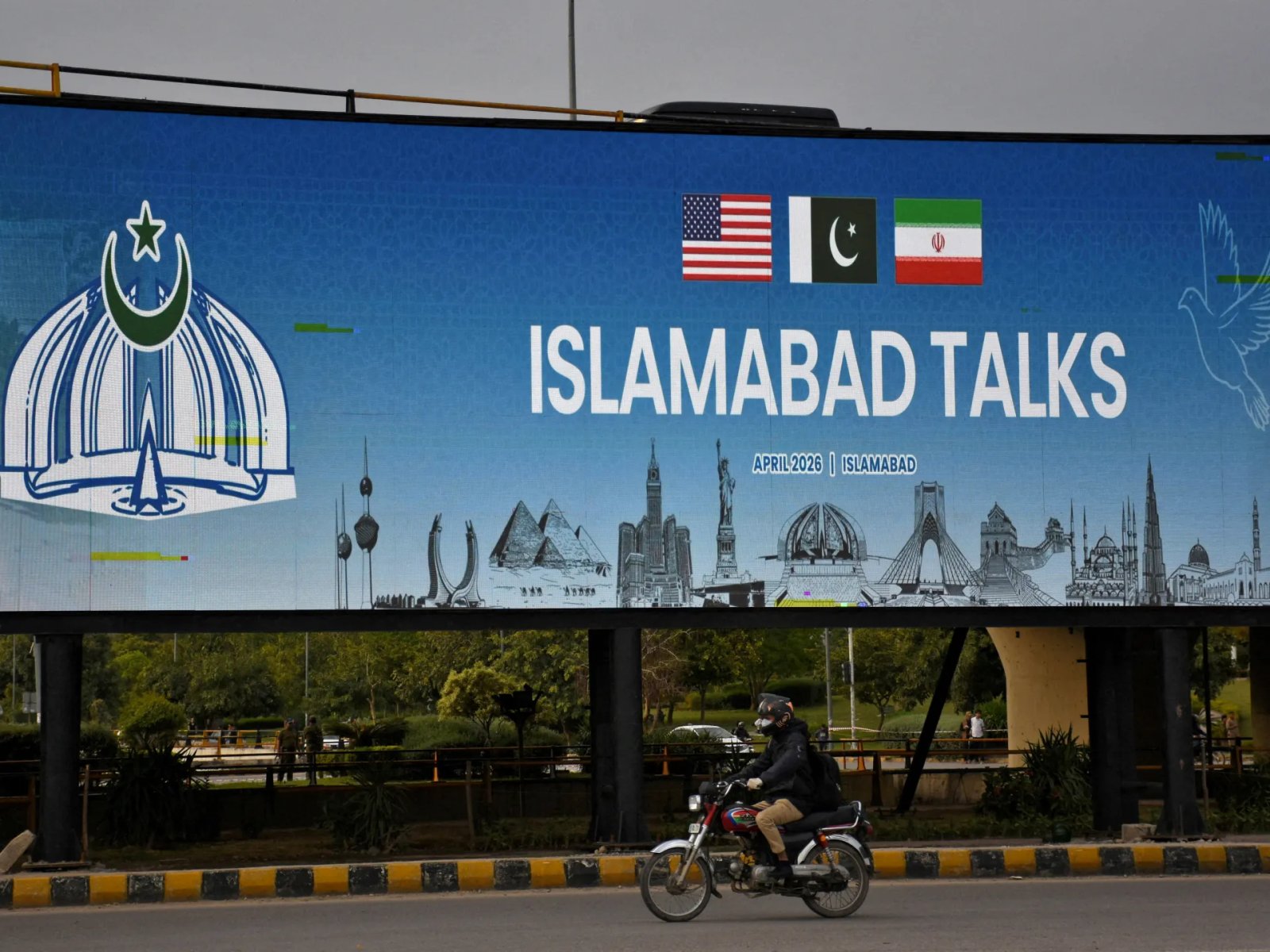
As JD Vance arrives in Islamabad to negotiate a peace deal with Iran, his first high-profile assignment of the war looks to be a poisoned chalice.
Vance, a vocal opponent of US wars in the Middle East gone quiet since the beginning of the current military campaign, will now face off with Iranian negotiators who feel emboldened by their new control of the Hormuz strait and their resilience in the face of the largest US-Israeli onslaught in history. Vance’s presence at the talks as vice-president will make it the highest-level meeting since the Iranian revolution of 1979.
Vance’s task is straightforward enough: to bridge the gap between a rhetorical ceasefire in serious peril and a more durable peace. But Vance will be face a difficult choice in Islamabad: to either undersign considerable US concessions to Iran in order to hold the ceasefire and negotiate the opening of the strait of Hormuz – or effectively cut off negotiations, personally backing a return to war that is unpopular with the American public.
The results could have a considerable impact on his expected run for the presidency in 2028, where his Maga credentials are already in question for failing to offer a more full-throated opposition to the war. Vance entered office calling for a more restrained foreign policy and an end to US forever wars in the Middle East – but the negotiations could drag him further into the largest US intervention in the region since the beginning of the Iraq war.
Whether the negotiations will even begin is in question. Israel’s massive strikes on Lebanon and an apparent bait-and-switch over the country’s inclusion in the ceasefire has angered the Iranian leadership. And Mohammad Bagher Ghalibaf, Iran’s parliamentary speaker and a lead negotiator, said that the US must also furnish the “release of Iran’s blocked assets”, a condition for talks that the US has not publicly agreed to.
“These two matters must be fulfilled before negotiations begin,” Ghalibaf said on Friday, less than 24 hours after the negotiations in Islamabad were due to begin.
Those remarks may be the first salvo of what will be a grueling experience for Vance. Tehran’s negotiators are renowned for a long-winded, relentless approach to deal making that Iran’s foreign minister, Abbas Araghchi, had once called “market style” – meaning “continuous and tireless bargaining”. This will be their first chance in history to subject a sitting US vice-president under considerable pressure to cut a deal to that treatment.
Before boarding Air Force Two en route to Pakistan on Friday, Vance said that his negotiating team had received “clear” instructions from Donald Trump on the negotiations, and added: “Let’s see where this goes.”
“As the president of the United States said, if the Iranians are willing to negotiate in good faith, we’re certainly willing to extend the open hand,” Vance told reporters. “If they’re going to try to play us, then they’re going to find the negotiating team is not that receptive.”
But before the meeting, former US negotiators with Iran said that Tehran’s assumed control of the strait of Hormuz had handed that government a powerful new weapon in negotiations with Washington. And while the US could walk away from the table in Islamabad, it cannot guarantee the free flow of marine traffic from the Persian Gulf, leaving Tehran with key leverage over the White House, as fuel shortages and a supply chain crisis could rock the global economy this summer.
Vance’s dispatch to Islamabad follows his trip to Hungary, where he travelled to stump for the country’s autocratic leader, Viktor Orbán, in an election on Sunday that he looks likely to lose, ending 16 years in power and striking a blow to one of Maga’s key international outposts as part of a rightwing International that has been backed by Vance.
The Hungarians had lobbied for a visit by Trump, but they received Vance instead, who lacks the president’s star power and was questioned for travelling on a campaign rally to Europe even as the US administration was entrenched in the conflict in Iran.
From the beginning, Vance had been peripheral to the administration’s messaging about the war in Iran. As Trump’s war team gathered at a makeshift situation room in Florida (some termed it War-a-Lago), Vance called in from the situation room at the White House, joined by another key anti-war voice of Trump’s administration, the director of national intelligence, Tulsi Gabbard. The secretary of defence, Pete Hegseth, has regularly delivered televised briefings on the conflict and the secretary of state, Marco Rubio, has been a more public booster for the war than Vance.
“He was, I would say, philosophically a little bit different than me,” Trump said of Vance’s feeling about the war. “I think he was maybe less enthusiastic about going, but he was quite enthusiastic. But I felt it was something we had to do. I didn’t feel we had a choice.”
Now, Vance has been tapped to end the war that he is said not to have wanted. But his reappearance in the limelight will be fraught with risk.