dailynewsnblog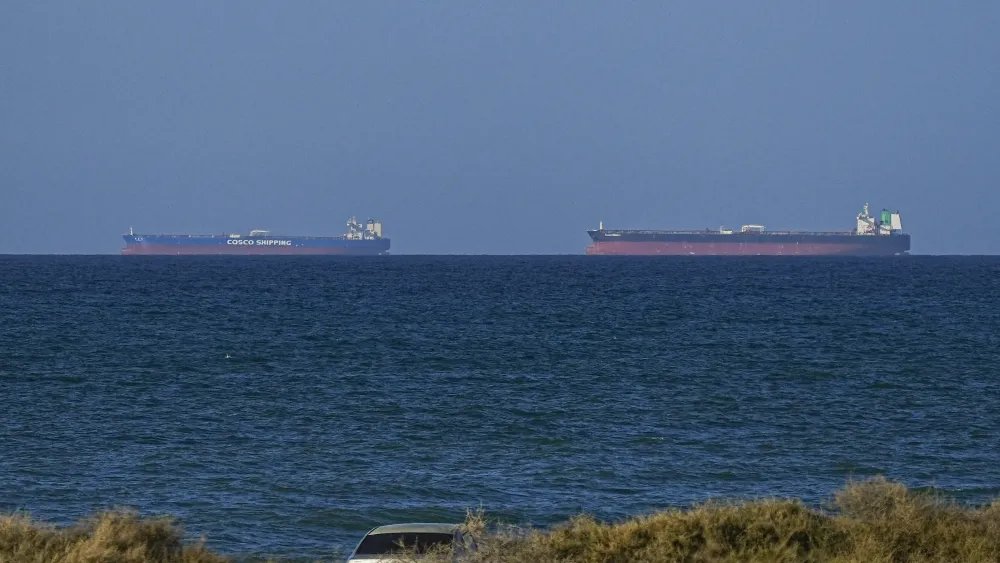
DHL expects shipping through the Strait of Hormuz to take at least four to six months to normalize, despite a tentative but tenuous U.S.-Iran ceasefire.
In a briefing held Wednesday, Tobias Maier, CEO of DHL Global Forwarding’s Middle East and Africa unit, told customers “nothing has dramatically changed” in recent days regarding a possible return of container shipping to the strait.
“The rough guideline in the industry has always been ‘one week of disruption will take one month.’ Based on where we stand today, almost six weeks into the crisis, we are probably somewhere in the range of four to six months before a return to normal,” said Maier. “The message to customers and everybody involved should be to plan for disruption, chaos and delays, changes in schedule and extra costs to exist for a longer period.”
Maier said the top priority will be evacuating vessels that are trapped in the Persian Gulf. Approximately 820 commercial ships are still in the gulf as of Thursday morning, according to MarineTraffic.
“We don’t expect that there is a massive capacity becoming available for services into the gulf, toward Dubai, Jebel Ali and Abu Dhabi,” said Maier. “If anything, it’s really about evacuating vessels so that they can help facilitate global trade.”
Although the terms of the ceasefire were contingent on the Hormuz remaining open, Iran’s naval forces have warned that ships still need permission to pass through. Confusion has surrounded the ceasefire, with Israel continuing strikes on Lebanon despite Iran’s insistence that the country was included in the truce.
In a statement on Iranian state television, Supreme Leader Mojtaba Khamenei said Iran will take “management of the Strait of Hormuz to a new stage,” without providing details.
The Iranian navy released a map late Wednesday indicating it may have mined the strait. The map outlined designated alternate shipping lanes vessels should use to transit safely
There has been no meaningful increase in traffic through the waterway since the two-week break in hostilities was first announced Tuesday night.
On Wednesday, only five ships sailed the conflict-ridden strait, per vessel transponder data observed by MarineTraffic.
“Fears of additional attacks have kept most operators in a wait-and-see mode, at least until initial findings emerge from the proposed talks in Islamabad on April 10,” said Ana Subasic, trade risk analyst at MarineTraffic, in a Thursday update. “The area remains very high risk, and cargo movements continue to be economically unviable.”
Following in the footsteps of fellow ocean carrier Hapag-Lloyd, which itself expects normal traffic in its network to resume in six to eight weeks, Japan’s Mitsui O.S.K Lines said it is waiting for safety reassurances before it gives the go-ahead for its ships to exit the Persian Gulf.
“It’s not yet clear how this ceasefire will be implemented in the relevant waters,” Mitsui O.S.K Lines president and CEO Jotaro Tamura told Reuters, adding that the company was anticipating guidance from the Japanese government.
Three of the company’s oil tankers crossed the strait earlier this month.
As carriers wait out the situation, congestion remains an issue at surrounding ports in the region, as well as in south Asia. The U.A.E.’s Khor Fakkan Port began to see congestion after operations were disrupted for two days, with a 100 percent congestion ratio on Wednesday, according to data from Xeneta. Oman’s Sohar Port had an 83.3 percent congestion ratio.
Xeneta’s congestion ratio calculates the number of ships waiting to call at the port divided by the total number of vessels already docked.
“We are seeing various cases of vessels are ‘cutting and running,’” said Hunain Khan, the regional head of full container load at DHL’s Middle Eastern forwarding segment, during the webinar. “That means they are unable to discharge all their cargo at Khor Fakkan or Sohar, and are then expected to bring the containers back to [ports like] Nhava Sheva or Colombo or even all the way back to their origin, depending on the carrier’s decision. The congestion situation remains relatively tight.”
The conflict created another knock-on effect, where there is a present imbalance of where containers are placed across the regional supply chain, according to Maier.
“We still have a lot of dislocated containers,” Maier said. “We need shipping lines to redo their schedules again. That’s not going to resolve in one or two weeks.