dailynewsnblog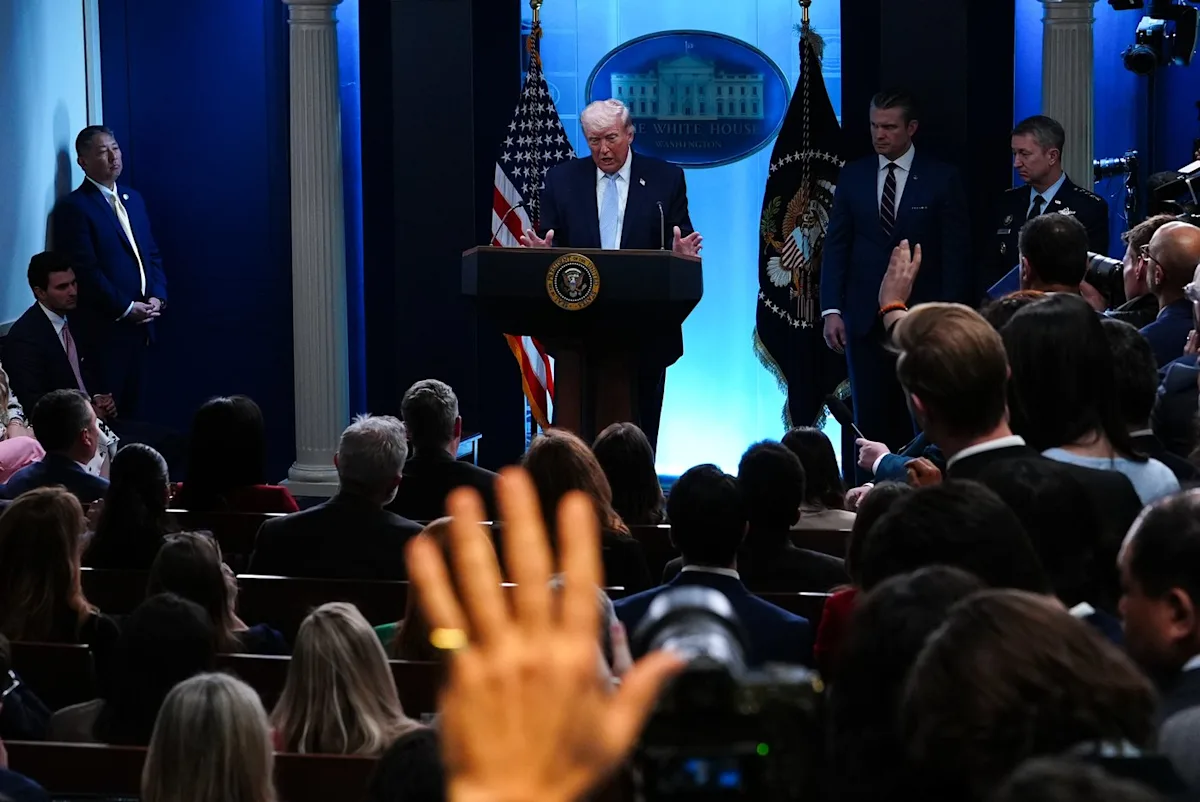
WASHINGTON (AP) — A federal judge on Thursday ruled that the Defense Department is violating his earlier order to restore access to the Pentagon for reporters, a setback in the administration’s efforts to impede the work of journalists.
U.S. District Judge Paul Friedman sided with The New York Times for the second time in a month. He had earlier said the Pentagon’s new credential policy violated journalists’ constitutional rights to free speech and due process. On Thursday, he said Defense Secretary Pete Hegseth’s team had tried to evade his March 20 ruling by putting in new rules that expel all reporters from the building unless guided by escorts.
“The department simply cannot reinstate an unlawful policy under the guise of taking ‘new’ action and expect the court to look the other way,” Friedman wrote.
Friedman had ordered Pentagon officials to reinstate the press credentials of seven Times reporters and stressed that his decision applies to “all regulated parties.” The Pentagon building serves as the headquarters for U.S. military operations.
Defense Department spokesperson Sean Parnell said it disagrees with the ruling and intends to appeal. Parnell said in a social media post that the department has “at all times” complied with judge’s orders, reinstating journalists’ credentials and issuing “a materially revised policy that addressed every concern” identified by the judge.
“The Department remains committed to press access at the Pentagon while fulfilling its statutory obligation to ensure the safe and secure operation of the Pentagon Reservation,” he wrote.
Times attorney Theodore Boutrous said Thursday’s ruling “powerfully vindicates both the Court’s authority and the First Amendment’s protections of independent journalism.”
A dispute brewing since October
In October, reporters from mainstream news outlets walked out of the building rather than agree to the new rules. The Times sued the Pentagon and Hegseth in December to challenge the policy.
President Donald Trump has fought against the press on several levels since returning to his second term, suing The Times and Wall Street Journal, and cutting funding for public radio and television because he did not like their coverage. At the same time, he frequently talks to the media and responds to reporters who call him on his cell phone.
In a series of briefings on the Iran War, Hegseth has frequently ignored or insulted legacy media reporters let in to cover the events, while concentrating on questions from friendly conservative media.