dailynewsnblog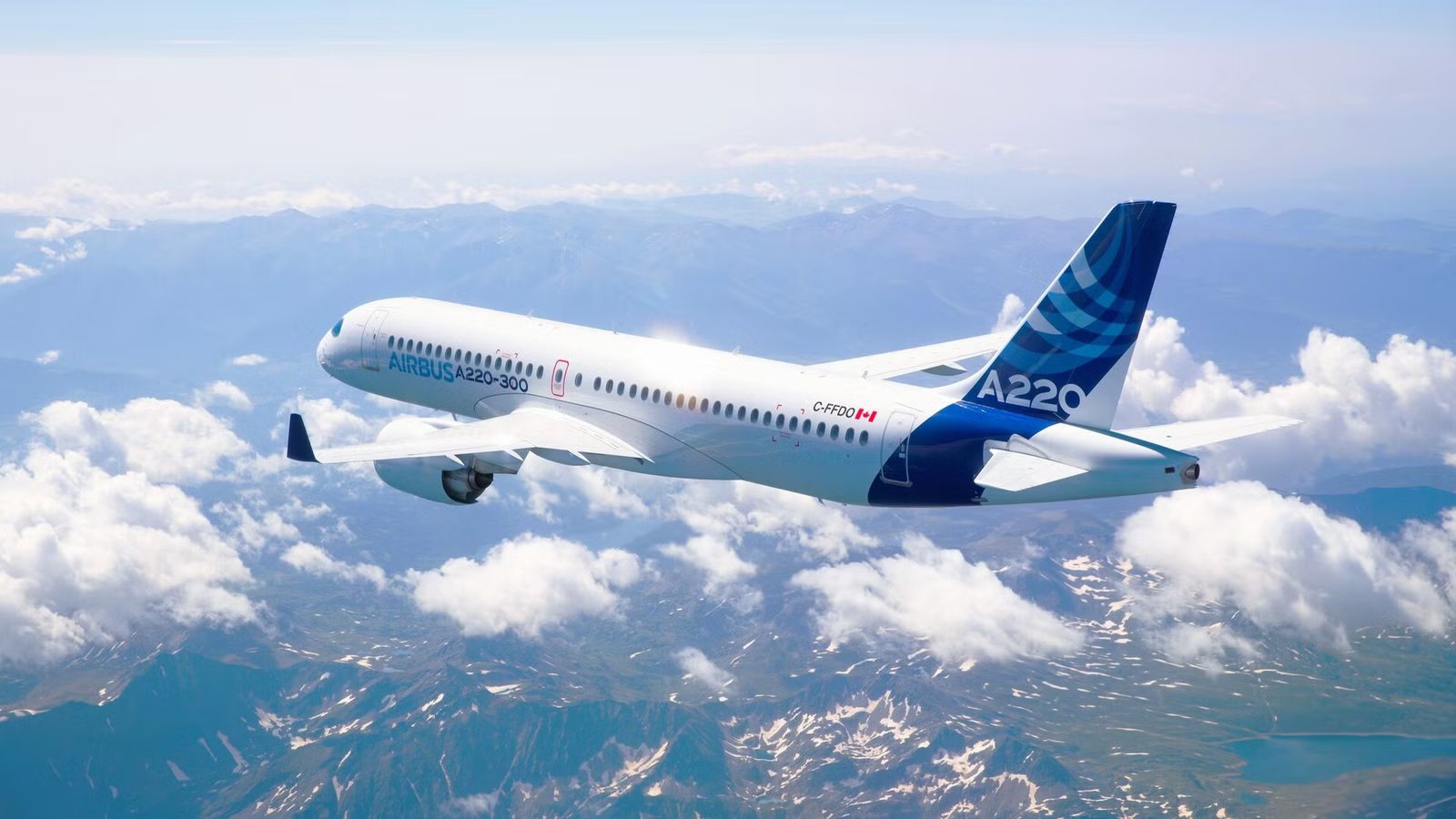
Airbus handed over 60 commercial aircraft to customers in March 2026, according to the latest orders and deliveries data it reported today. This is a respectable increase over the 40 that it delivered a month prior, but it was still 11 units shy of its deliveries for the same month last year. The European manufacturer’s Q1 2026 total now stands at 114 aircraft, compared with 136 in the same period of 2025, leaving deliveries down 16% year-on-year for the first quarter.
That’s an issue because Airbus is not coming off an easy baseline. Its Q1 2025 numbers were already weaker than Q1 2024, when the company delivered 142 aircraft, and the broader industrial backdrop has only deteriorated further. Airbus has spent the opening months of 2026 dealing with the same old supply-chain strain, but with a sharper edge: fuselage panel issues, late engines, and an increasingly public dispute with Pratt & Whitney (P&W) over how scarce powerplants are being allocated.
March Was Better, But Still Behind

March was Airbus’ strongest month of the year so far with 60 deliveries, after just 19 in January and 35 in February. But let’s put that in context: each month of 2026 so far has trailed its 2025 counterpart, which leaves the quarter as a whole in negative territory. And this is benchmarking against a year that was already soft by historical standards due to supply-chain constraints, notably engine availability.
|
Month |
2026 deliveries |
2025 deliveries |
Change |
% Change |
|---|---|---|---|---|
|
January |
19 |
25 |
-6 |
-24% |
|
February |
35 |
40 |
-5 |
-13% |
|
March |
60 |
71 |
-11 |
-13% |
|
Q1 Total |
114 |
136 |
-22 |
-16% |
Zoom out further, and the context gets even more brutal. The Q1 2026 deliveries are 30% below Airbus’ best-ever Q1 in 2019, immediately prior to the pandemic. This despite Airbus having expanded its production capacity significantly since then. In fact, if you go back twenty years, Airbus has not had a Q1 this bad. The closest is Q1 2007, when it managed only 115 deliveries. But that’s a very long time ago, back when deliveries still included Airbus A340 variants and Airbus A300 freighters.
The Weakness Is In The A320 Family

The topline shortfall becomes clearer when the quarter is broken out by aircraft family. Airbus actually did slightly better in the Airbus A220 and Airbus A350 categories, but those gains were overwhelmed by weaker A320-family output. Across the A319neo, A320neo and A321neo combined, deliveries fell from 106 in Q1 2025 to 81 in Q1 2026, a drop of 25 aircraft, or about 24%.
|
Aircraft family |
Q1 2026 |
Q1 2025 |
Change |
|---|---|---|---|
|
A220 |
19 |
17 |
+2 |
|
A319neo |
4 |
-4 |
|
|
A320neo |
26 |
37 |
-11 |
|
A321neo |
55 |
65 |
-10 |
|
A330-900 |
3 |
4 |
-1 |
|
A350 |
11 |
9 |
+2 |
|
Total |
114 |
136 |
-22 |
The backdrop to that slump is Pratt & Whitney. Airbus has spent months publicly warning that engines for the A320neo family were arriving “very, very late,” and by February it had softened its narrowbody production ramp while accusing P&W of falling short on agreed supply volumes. Reuters reported that the dispute centers on scarce geared turbofan (GTF) engine supplies, and whether those engines should go to new-aircraft assembly lines or to airlines already waiting for spare engines and repair support.
That tension exists because P&W is still dealing with the after-effects of its GTF crisis. Hundreds of Airbus narrowbodies have been grounded in recent years, with engines needing inspections and repairs after a manufacturing defect tied to powdered metal contamination was identified. With repair capacity still under pressure and airlines desperate for serviceable engines, Airbus has effectively been competing with operators for the same constrained pool of supply.
Airbus’ frustration has subsequently boiled over in its own public commentary. At the presentation of its FY2025 results, Airbus CEO Guillaume Faury said “significant Pratt & Whitney engine shortages” were continuing to stall deliveries of Airbus A320neo and Airbus A321neo aircraft. With P&W engines powering some 40% of the global A320-family fleet, he said this was influencing the setting of Airbus’ goals for 2026 deliveries:
“Pratt & Whitney’s failure to commit to the number of engines ordered by Airbus is negatively impacting this year’s guidance for aircraft deliveries.”
The practical result is now visible in the delivery data: 25 fewer A320-family aircraft shipped to customers this past quarter. Using Airbus’ last published list prices as a rough benchmark, that shortfall equates to more than $3 billion in nominal value across the missing A320-family deliveries. Real-world deal pricing is, of course, heavily discounted, but the scale is still enough to show that this is not a rounding error. It is a multi-billion-dollar delivery problem concentrated in Airbus’ most important product line.

Airbus Poised To Sue Pratt & Whitney As Engine Delays Plague Aircraft Production
Airbus’ clash with Pratt & Whitney shows the engine crisis is now hitting production too.
Delta Leads The Customers

At the airline level,  Delta Air Lines was Airbus’ largest delivery recipient in Q1 2026 with nine aircraft, including two more A220s. It is the world’s largest operator of the type, with over 80 already in its fleet. Wizz Air followed with eight A321neo deliveries — it now has 190 of the type across its fleet. The European manufacturer also showed its growing strength with US airlines, with
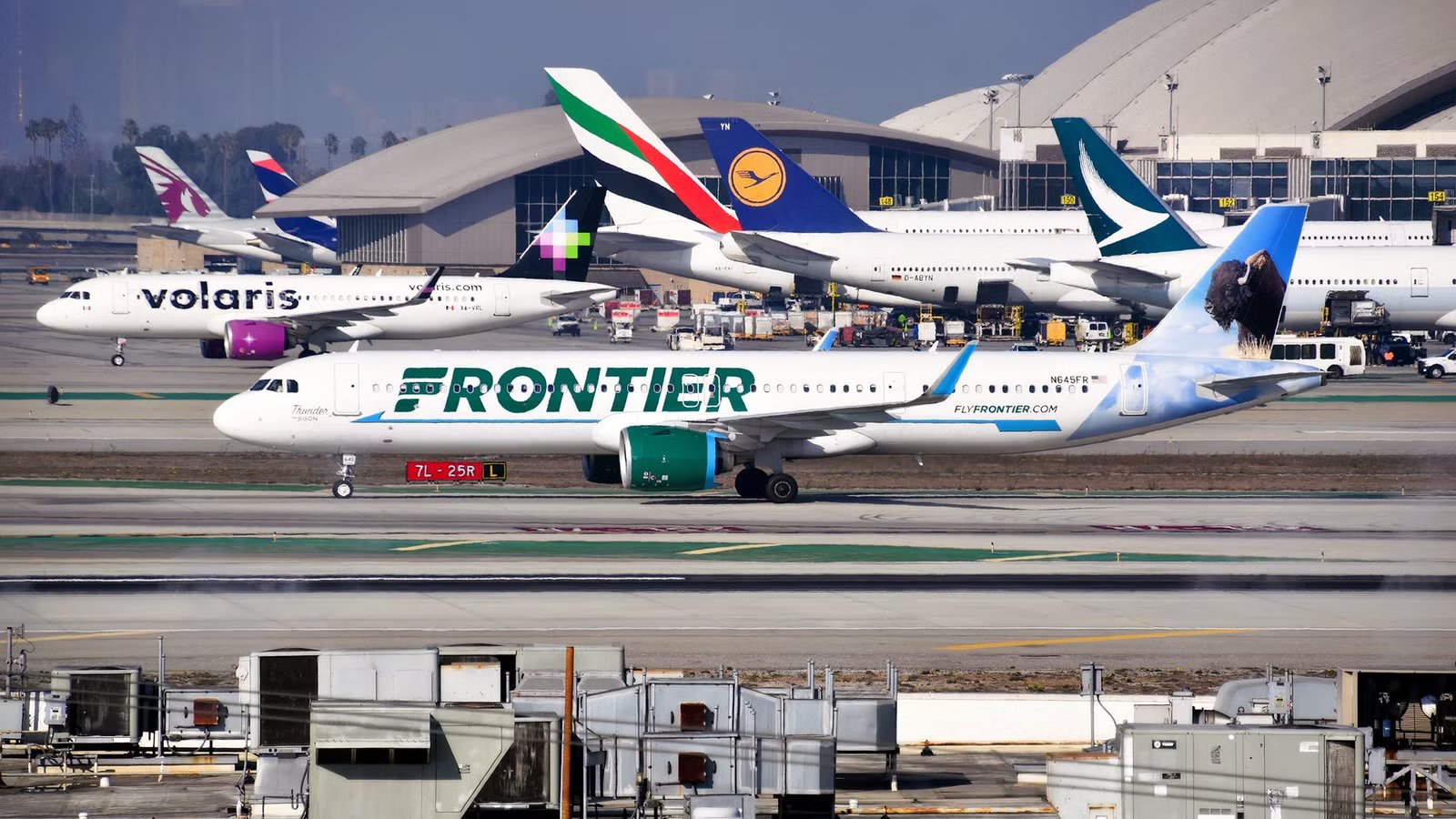
  United Airlines and Frontier Airlines both taking seven of its aircraft in the quarter.
|
Rank |
Airline |
Total deliveries |
Notes (types delivered) |
|---|---|---|---|
|
1 |
Delta Air Lines |
9 |
7× A321neo, 2× A220-300 |
|
2 |
Wizz Air |
8 |
8× A321neo |
|
3 |
Frontier Airlines |
7 |
5× A320neo, 2× A321neo |
|
4 |
United Airlines |
7 |
7× A321neo |
|
T-5 |
Hainan Airlines |
4 |
4× A320neo |
|
T-5 |
IndiGo |
4 |
2× A320neo, 2× A321neo |
|
T-5 |
Turkish Airlines |
4 |
4× A321neo |
There were also a few Q1 deliveries that stand out for reasons beyond volume:
The bigger picture is straightforward. Airbus is still targeting around 870 commercial aircraft deliveries in 2026, which means it must deliver 756 more aircraft over the final nine months of the year. That works out to an average of 84 aircraft per month from April through December, far above the 38-aircraft monthly average it managed in the first quarter. Airbus can still recover, but only if the A320-family engine choke-point eases. Without progress in the Pratt & Whitney dispute, that second-half catch-up will be very hard to achieve.