dailynewsnblog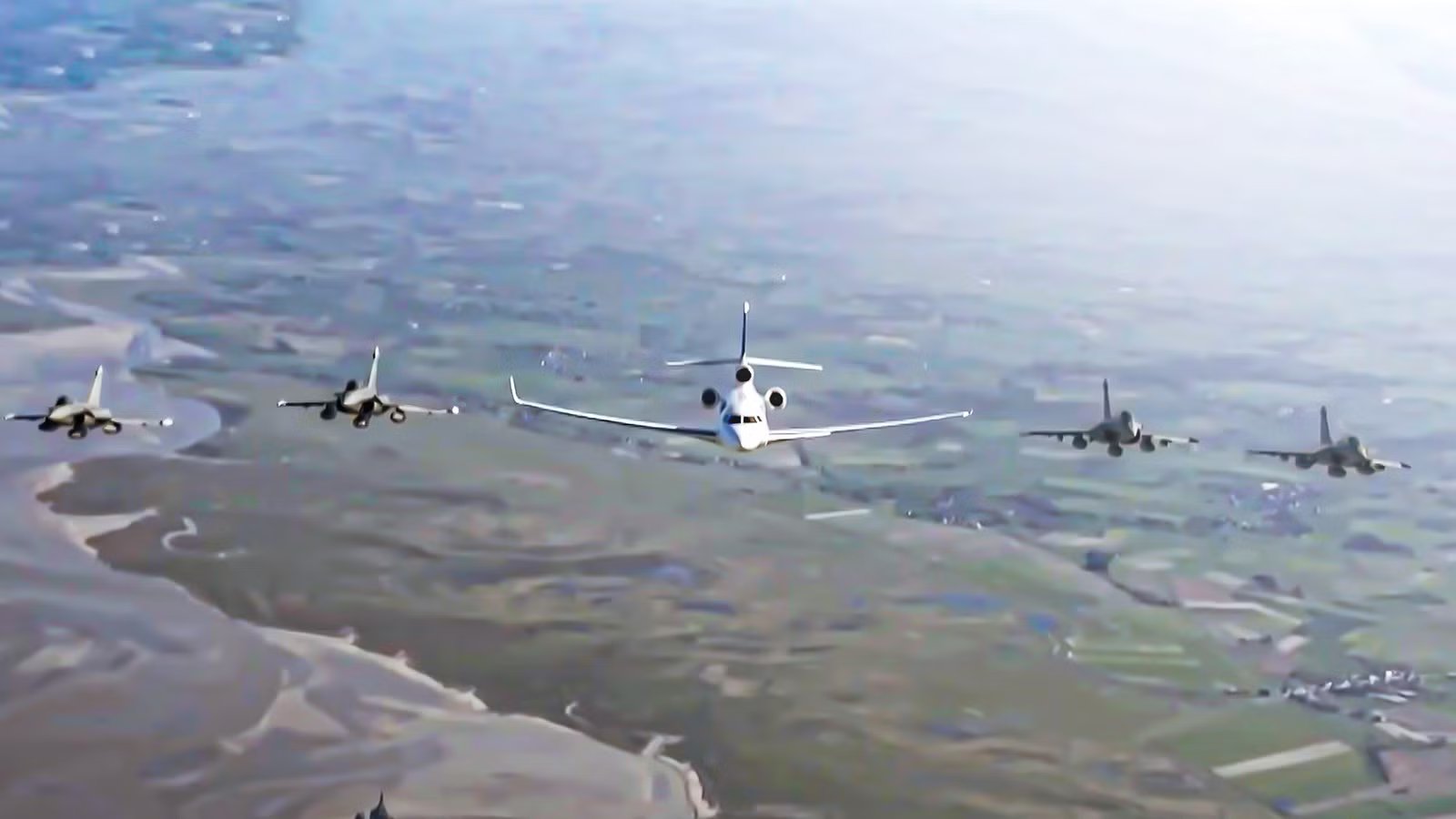
A viral image of Emmanuel Macron being escorted by four Dassault Rafale did not show France’s primary presidential aircraft: rather, it featured a Dassault Falcon 900. The flight itself was linked to a visit to a key component of France’s nuclear deterrent infrastructure, explaining the unusual military escort. Based on fleet data and operator disclosures, France’s current long-haul presidential platform is an Airbus A330-200, a widebody aircraft acquired second-hand and upgraded at a total cost of roughly €176 million ($204 million).
This reflects a broader global model where head-of-state travel is built around flexibility rather than a single iconic aircraft. France operates a mix of smaller Falcon jets for regional missions and the A330 for intercontinental travel, aligning aircraft size and capability with each trip’s requirements. Drawing on fleet and operator data, this article will examine why France uses multiple aircraft types, how its A330 compares with other nations’ leadership aircraft, and what the Rafale escort actually signals in operational terms.
The Viral Rafale Escort: What People Saw

The widely circulated image of Emmanuel Macron flying in formation with four Dassault Rafale aircraft created the impression of an extraordinary, high-security mission. Captured over the waters near Mont Saint-Michel, the scene had all the visual hallmarks of a wartime escort: tight spacing, synchronized movement, and advanced combat jets flanking a smaller aircraft. As the image spread online, many viewers assumed this must represent France deploying its primary presidential aircraft under heavy military protection.
In reality, the escort itself is what made the moment unusual, not the aircraft being protected. The president was traveling to a strategically sensitive location linked to France’s nuclear deterrent infrastructure, which can justify a more visible or coordinated military presence. Fighter escorts like the Dassault Rafale are sometimes used in such contexts for operational training, airspace control, or symbolic messaging, rather than as a routine security measure applied to every presidential flight.
The visual impact of military jets flying in tight formation can easily blur the line between routine operations and exceptional measures. To the public, it suggests urgency, danger, or heightened threat levels, even when the reality may be more procedural or symbolic. While the image is undeniably striking, it reflects a carefully timed and visually powerful moment rather than France’s standard method of transporting its head of state, which typically relies on a mix of aircraft chosen for practicality rather than spectacle.
The Aircraft In Question: Falcon 900

The aircraft Emmanuel Macron was traveling on was a Dassault Falcon 900, a platform built with efficiency, flexibility, and reliability in mind rather than long-haul prominence. Originally developed as a high-end corporate jet, it has been widely adopted for government and VIP transport thanks to its ability to operate efficiently across a variety of mission profiles. Within France’s presidential fleet, it fills an important role, handling shorter journeys and regional travel.
One of the Falcon 900’s most distinctive characteristics is its tri-engine configuration, with three rear-mounted turbofans each delivering approximately 4,500 pounds of thrust. This setup is relatively rare in modern business aviation but provides several operational advantages, including enhanced performance on shorter runways and improved safety margins during overwater flights.
These features are particularly useful across Europe, where airports can vary significantly in size and geography, and where routing flexibility is often essential. Inside, the aircraft is typically configured to carry around 12 to 14 passengers in a VIP layout, prioritizing comfort, workspace, and privacy over capacity.
With a range of roughly 4,700 nautical miles in later variants, it can handle most missions within Europe and beyond without refueling, while still maintaining lower operating costs than larger jets. This combination of range, efficiency, and adaptability makes the Falcon 900 a dependable workhorse for presidential travel, even if it lacks the scale and visibility of a long-range flagship aircraft.

6 Air Force One Look-Alike Boeing 747s Serving As VIP Transport For Governments Around The World
Six unique Boeing 747 jets for VIP travel, carrying an image akin to Air Force One for the heads of state in other nations around the world.
France’s True Presidential Flagship

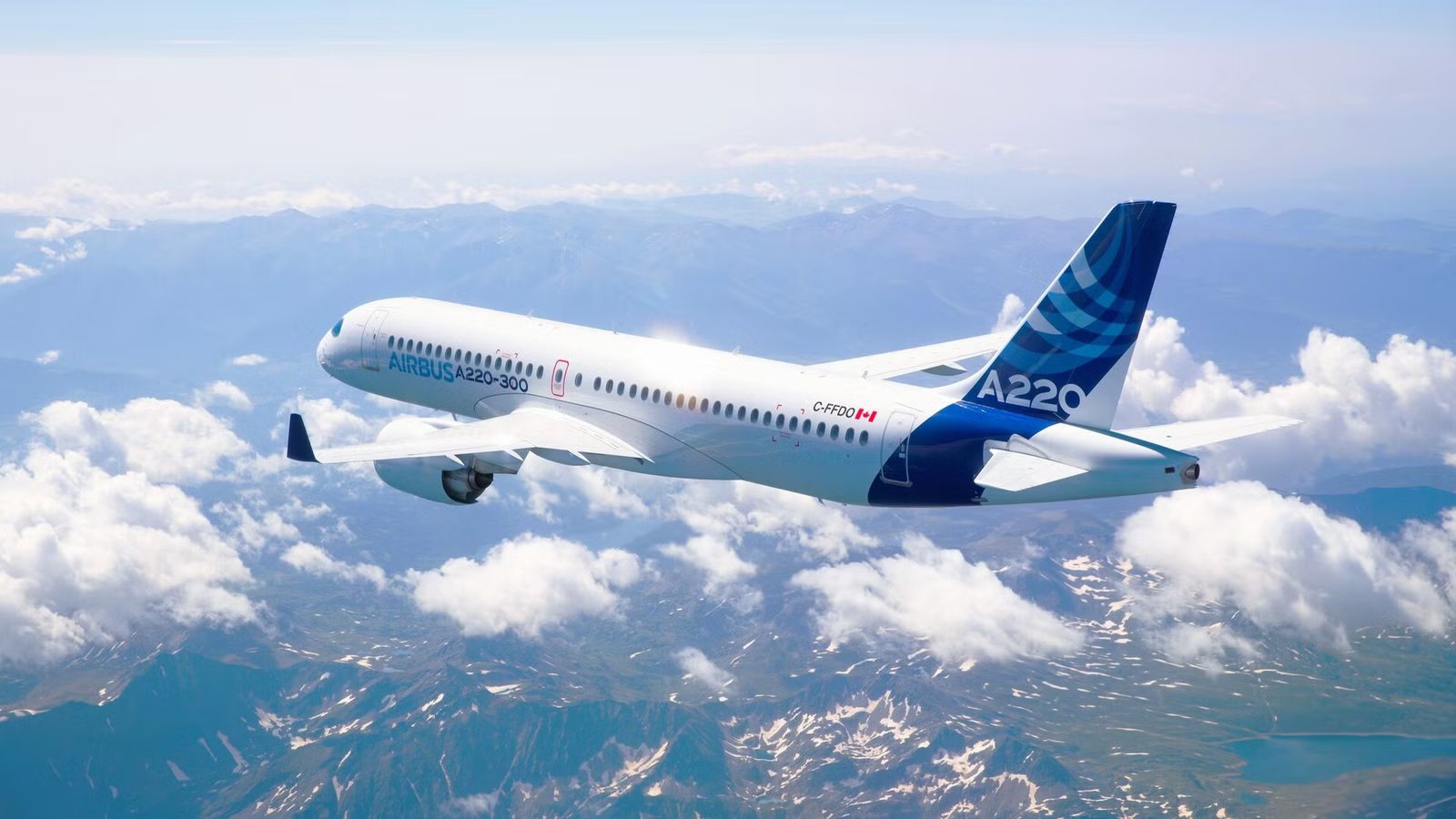
For long-distance travel, France relies on the Airbus A330-200, which functions as the country’s closest equivalent to a dedicated head-of-state aircraft. Unlike the smaller Falcon jets used for regional mobility, this widebody is designed for intercontinental missions, allowing the president to travel with larger delegations, advisors, and security personnel. Its size and endurance make it the preferred choice for international summits, state visits, and diplomatic tours that span continents.
The aircraft has been extensively transformed from its original commercial configuration into a highly specialized government platform. Inside, it includes secure, encrypted communication systems that allow constant contact with military and political leadership, as well as office space and meeting rooms for in-flight decision-making. This setup effectively turns the aircraft into a flying command post, ensuring that the president can remain fully operational and informed regardless of location or duration of travel.
The scale of investment in this aircraft reflects its strategic importance. The base airframe was acquired second-hand and then subjected to a comprehensive and costly modification program, with the majority of spending focused on interior redesign and advanced systems integration. This emphasis highlights the priority placed on security, autonomy, and functionality, ensuring the aircraft can support sensitive communications and sustained operations during long-haul missions abroad.
How Other Nations Transport Leaders

Approaches to transporting national leaders vary widely, shaped by geography, military doctrine, and budget. The United States operates one of the most recognizable systems, centered on the Boeing VC-25, a heavily modified version of the Boeing 747 flown by the United States Air Force. While often treated as a specific aircraft, ‘Air Force One’ is technically a call sign used whenever the president is on board.
These aircraft are built for endurance and survivability, with redundant systems and the ability to function as airborne command centers in extreme scenarios. Russia employs a similar philosophy with the Ilyushin Il-96-300PU, where the ‘PU’ designation reflects its role as a command platform. These aircraft are designed to maintain national command authority in crisis conditions, featuring secure communications and the capability to operate independently for extended periods.
Across Europe, strategies tend to be more flexible and less centered on a single iconic aircraft. Germany previously used an Airbus A340-300, named after Konrad Adenauer, which combined long-range capability with government-specific modifications, but it now favors more modern A350s. In the United Kingdom, the Royal Air Force operates the Airbus Voyager KC2/KC3, a multirole aircraft adapted for both refueling and VIP duties, illustrating a more utilitarian approach to official air travel.

Trump Force One: A Closer Look At The Boeing 757 Donald Trump Operates
Trump’s company has held “Trump Force One” for 14 years. It has seen Trump through two presidential elections.
Extremes & Evolving Models In VIP Air Travel

Some nations take the concept of leader transport much further by maintaining entire fleets dedicated to VIP movement. Qatar, for example, operates Qatar Amiri Flight, a specialized carrier that manages several high-end aircraft used by the ruling family and senior officials. This allows for highly coordinated travel, including the ability to deploy multiple aircraft simultaneously for major diplomatic engagements or international negotiations.
At the same time, not every country invests in dedicated widebody aircraft or large fleets. Some governments rely on a hybrid approach, combining smaller official jets with chartered or leased aircraft when needed. This can be particularly useful for transporting media, support staff, or additional personnel without committing to the cost of maintaining a large permanent fleet.
These differing approaches highlight the broader trend that there is no universal template for how leaders travel by air. Instead of a single flagship aircraft, most nations operate layered systems that balance cost, flexibility, and capability. Whether through expansive fleets or streamlined solutions, the goal remains the same: ensuring leaders can travel efficiently, securely, and with full access to the tools needed to govern while in the air.
The Common Thread: Flexibility Over Symbolism

Despite the differences in aircraft size, fleet structure, and spending, a common theme runs through how nations move their leaders: flexibility matters more than image. While some aircraft become symbols, like the Boeing VC-25, most systems are designed to adapt quickly to changing mission needs rather than rely on a single, always-used platform.
This often means pairing aircraft roles with specific tasks. Smaller jets handle short-haul trips and rapid deployment, while larger aircraft are reserved for long-distance diplomacy and complex logistics. Backup aircraft, cargo planes, and even chartered flights can be integrated into the same mission when required, especially for large delegations or international events.
In that sense, the idea of a singular ‘leader plane’ is more myth than reality. What truly defines modern VIP air travel is a coordinated network of aircraft and capabilities working together, quietly, efficiently, and usually far less dramatically than viral images might suggest.