dailynewsnblog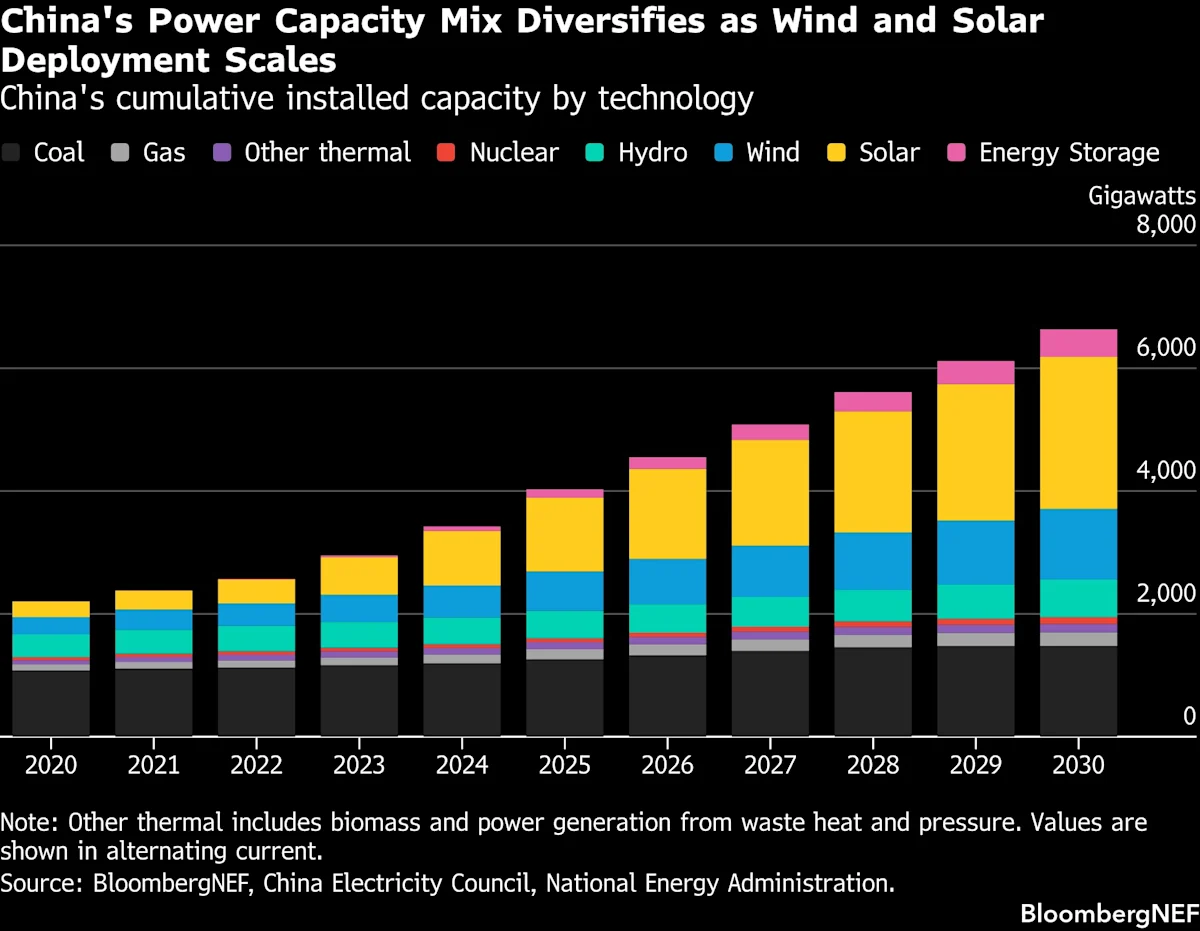
(Bloomberg) — As war injects extreme volatility into oil and gas markets, the global race for energy security is making China stronger, according to Jacky Tang, emerging markets chief investment officer at the private banking arm of Deutsche Bank AG.
“China is the winner in this war from an economic standpoint, from an energy mix standpoint,” he said in an interview.
The prediction feeds into a complex picture. Bruegel, a think tank, says China’s reliance on oil imports from Iran is set to pose a “severe test” for its energy strategy. At the same time, the country’s status as the world’s largest producer of clean tech puts it in a unique position to help governments now desperate to wean themselves off Middle East imports, according to the Deutsche Bank executive.
Longer term, Tang says “everybody knows” that the world “cannot rely on oil.”
He says it’s a realization that will force a reset in Asia, the biggest importer of Middle Eastern oil. Japan, Korea and India are now all more likely to look for ways to diversify their energy mix, and the equipment needed to achieve that diversification will inevitably come from China, Tang said.
As the conflict in the Middle East veers between existential threats and a fragile ceasefire, volatility in oil and gas prices has skyrocketed. The promise of a two-week break from fighting offered relief on Wednesday morning, with the reopening of the Strait of Hormuz listed as a condition of the deal. Next steps, however, remain highly uncertain.
For now, the Strait of Hormuz remains largely closed, pushing up the price of Brent crude. “The situation remains fluid,” analysts at Goldman Sachs Group Inc. said in a note.
Against that backdrop, governments will continue to work toward energy independence. China, which remains the world’s largest consumer of coal, is rapidly building out its clean-tech sector as part of its goal of achieving energy independence.
Low-carbon sources now account for close to 40% of the country’s electricity generation, compared with about 25% a decade ago, according to a February report by Ember. And renewables make up almost 50% of installed power capacity, Barclays Plc estimates.
“A decade of renewable build-out and electrification have materially reduced China’s exposure to energy shocks,” a Barclays team led by Jian Chang, the bank’s chief China economist, said in an April 8 note to clients. The upshot is that oil and gas are “now playing only a minor role in power generation” for the country, she said.
China’s long-term “focus on electrification” is making it more resilient to energy price shocks, according to a Lombard Odier CIO Office Viewpoint note sent to clients this month. And its build-up of strategic oil reserves has created an effective short-term buffer against rising oil prices, the Lombard Odier note said.