dailynewsnblog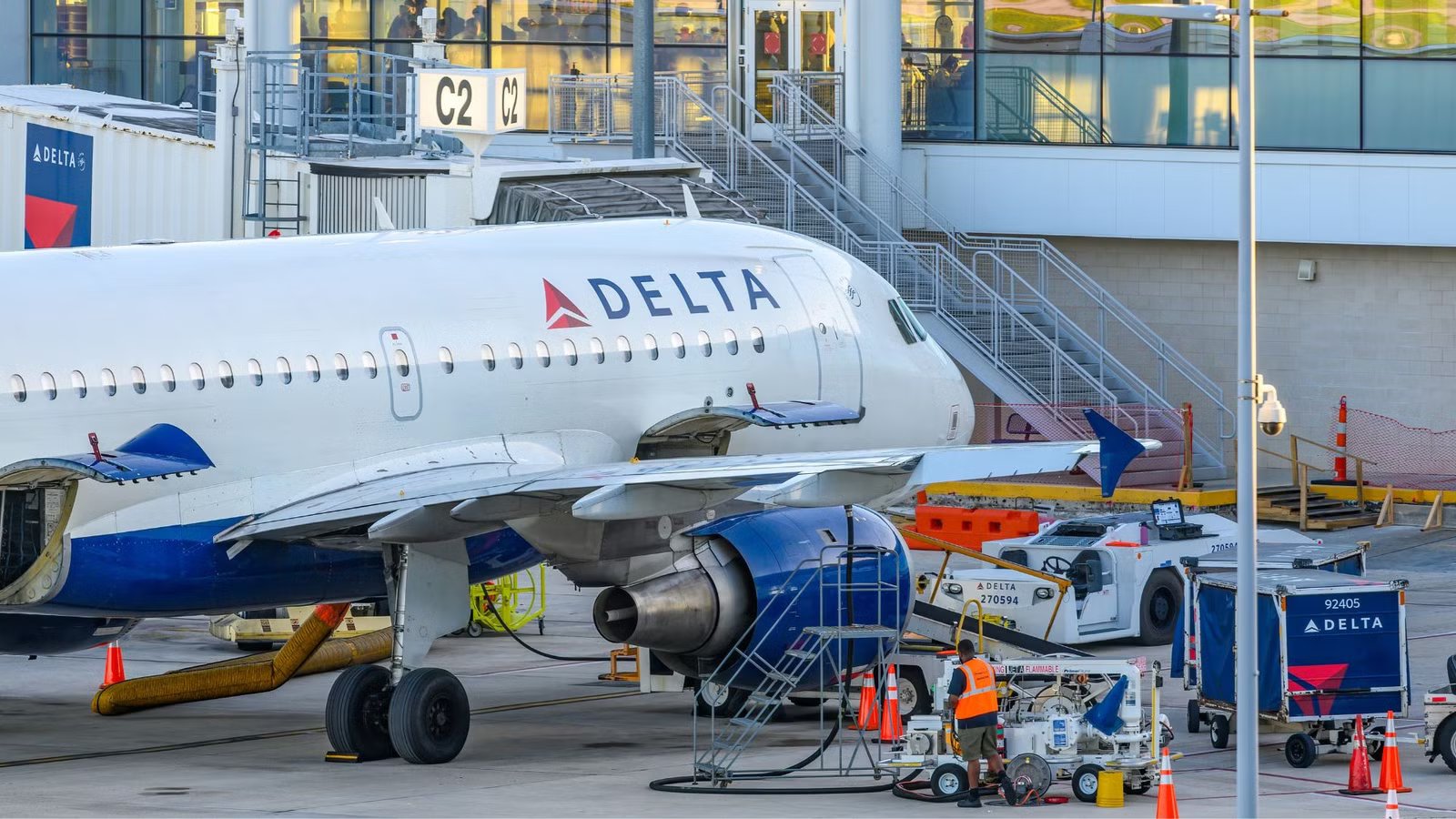
 Delta Air Lines has announced plans to cut capacity as it braces for significantly higher fuel costs, which it estimates could add roughly $2 billion (€1.85 billion) in expenses. The US-based carrier revealed the outlook, signaling adjustments across its network. The decision comes as jet fuel prices rise sharply, impacting airline profitability worldwide. Delta aims to mitigate financial pressure by scaling back growth and optimizing operations.
The move highlights growing concerns across the aviation industry as volatile energy markets continue to challenge airlines. Delta’s announcement suggests a more cautious approach to near-term capacity expansion. The development also signals potential ripple effects for fares, schedules, and broader airline competition.
Rising Fuel Costs Force Strategic Capacity Cuts

Delta expects that rising fuel prices will significantly impact its cost base, projecting an increase of approximately $2 billion (€1.85 billion). In response, the airline is adjusting its planned capacity growth, likely reducing the number of flights or slowing expansion on certain routes. This strategy is designed to maintain profitability while aligning supply more closely with demand. The airline is also expected to continue focusing on operational efficiency to offset cost pressures. Delta expects a $300 million benefit in the second quarter of 2026 from its refinery, up from $60 million in the first quarter as margins widen.
The capacity cuts could affect both domestic and international networks, depending on demand trends and route profitability. Airlines often respond to higher costs by tightening schedules, improving load factors, and prioritizing high-yield markets. For passengers, this may translate into fewer available seats and potentially higher ticket prices. Ed Bastian, Delta’s Chief Executive Officer, said:
“Demand remains strong, and we are taking actions to protect our margins and cash flow. This includes meaningfully reducing capacity growth, with a downward bias until the fuel environment improves, and moving quickly to recapture higher fuel costs. Delta is best positioned to navigate this environment, with a leading brand, strong financial foundation, and the benefit of our refinery. In the June quarter, we expect to lead the industry with $1 billion of profit.”
Operational Adjustments Aim To Protect Profitability

Fuel price fluctuations have historically played a major role in shaping airline strategy. When prices surge, carriers often implement cost-saving measures such as capacity reductions, fleet adjustments, or fuel hedging strategies. Delta has previously demonstrated resilience during similar periods by focusing on premium offerings and operational reliability. This latest move reflects a continuation of that disciplined approach.
Across the global aviation sector, other carriers may follow similar strategies if fuel prices remain elevated. Airlines in Europe, Asia, and North America are all exposed to the same macroeconomic pressures, particularly due to the ongoing crisis in Iran. The situation also underscores the importance of fuel-efficient aircraft, such as next-generation narrowbody and widebody aircraft. Investments in sustainability and alternative fuels may gain further urgency as traditional fuel costs rise.
Additionally, demand trends remain relatively strong, particularly in premium and long-haul travel segments. This allows airlines like Delta to adjust capacity without significantly weakening revenue performance. However, prolonged cost increases could test the balance between maintaining service levels and protecting margins. The coming months will be critical in determining how the industry adapts.

War & $400M Fuel Hits Can’t Stop Delta and American’s Revenue Surge
US airlines boost revenue forecasts despite $400M fuel hits from Iran conflict, as strong travel demand keeps profits resilient in 2026.
Industry-Wide Pressure Mounts As Fuel Prices Climb

Delta’s decision also comes amid broader economic uncertainty, including inflationary pressures and fluctuating demand patterns. Airlines must carefully balance cost control with maintaining customer satisfaction and network connectivity. Strategic adjustments, such as fleet modernization and route optimization, are increasingly critical. These efforts can help offset some of the financial burden caused by higher fuel prices.
Historically, periods of high fuel prices have accelerated innovation within the aviation sector. Airlines often retire older, less efficient aircraft sooner and invest in newer models with lower operating costs. In the long term, this could lead to a more efficient global fleet. Delta’s current strategy may therefore not only address immediate challenges but also support longer-term transformation.
While capacity reductions may raise concerns among travelers, they are a common industry response to cost pressures. Delta’s proactive approach suggests it is aiming to stay ahead of market shifts rather than react to them. As fuel prices evolve, further adjustments across the airline’s network remain possible.