dailynewsnblog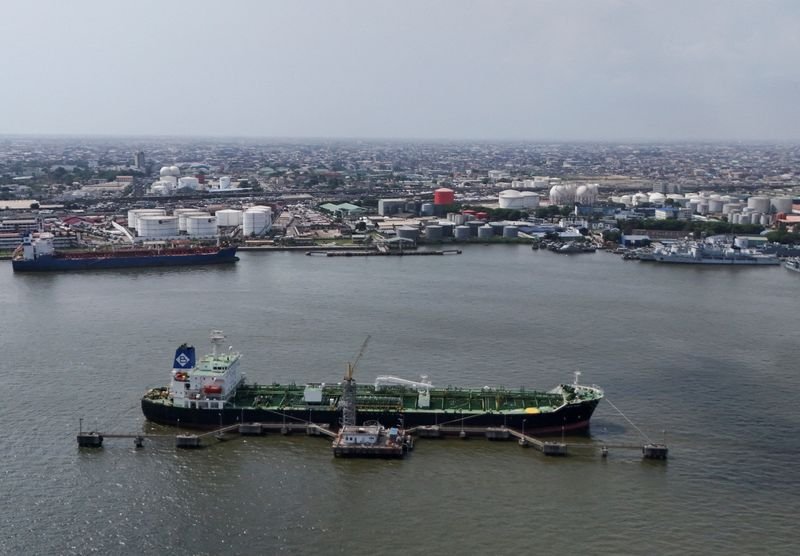
By Naomi Rovnick
LONDON, April 8 (Reuters) – Investors are piecing together a new “Trump trade” playbook for navigating market uncertainty, ranging from whether a U.S.-Iran ceasefire will hold to oil prices staying high for longer.
With global inflation and interest rates increasingly tough to predict as geopolitics dominate the economic outlook, moving money on the basis of long-term views is proving challenging.
Many investors are instead placing shorter-term bets on assets that may have become mispriced during the Iran war.
Here’s a rundown of some of the new Trump trades.
1/HIGHER FOR LONGER OIL
Oil tumbled almost 15% on Wednesday to below $100 a barrel on the ceasefire but the price is expected to remain higher for longer given uncertainty over the Strait of Hormuz.
Oil futures for six months’ time trade around $79, higher than before the war began on February 28.
They have tended to drop sharply on days when a detente looks more likely and some analysts say they have swung too low.
Even a successful ceasefire with no further tensions would put a floor under the oil price of $85 per barrel by year-end, said Societe Generale’s global head of commodities research Michael Haigh, adding that if states now more conscious about energy security began stockpiling oil, it would be higher.
That is one reason investors, who have long avoided unloved energy producer stocks, are less bearish. A Bank of America survey dated March 31 found that while 30% of investors retain a negative stance on the sector, which is hampered by ESG concerns, this has dropped from 40% six months ago.
Shell said on Wednesday it sees stronger oil trading ahead.
2/ CANADA, NORWAY
The U.S. dollar has regained lustre after months in the doldrums, but if war recedes and saps demand for the reserve currency while crude prices remain elevated then the currencies of some oil-producing nations could shine, investors said.
“It will take a while for everything to ramp up again, for the tankers to travel again, and oil prices might have a higher floor,” Russell Investments’ global head of solutions strategy Van Luu said, discussing a permanent ceasefire scenario.
“If oil prices are $85 to $100 (a barrel) then energy exporters in politically stable countries, and you could consider Norway and Canada in that camp, should do better.”
3/ BOND BOUNCE-BACK?
U.S. President Donald Trump’s ceasefire pledge sent British and euro zone government borrowing costs plunging as nerves about inflation among energy importers ebbed.