

 dailynewsnblog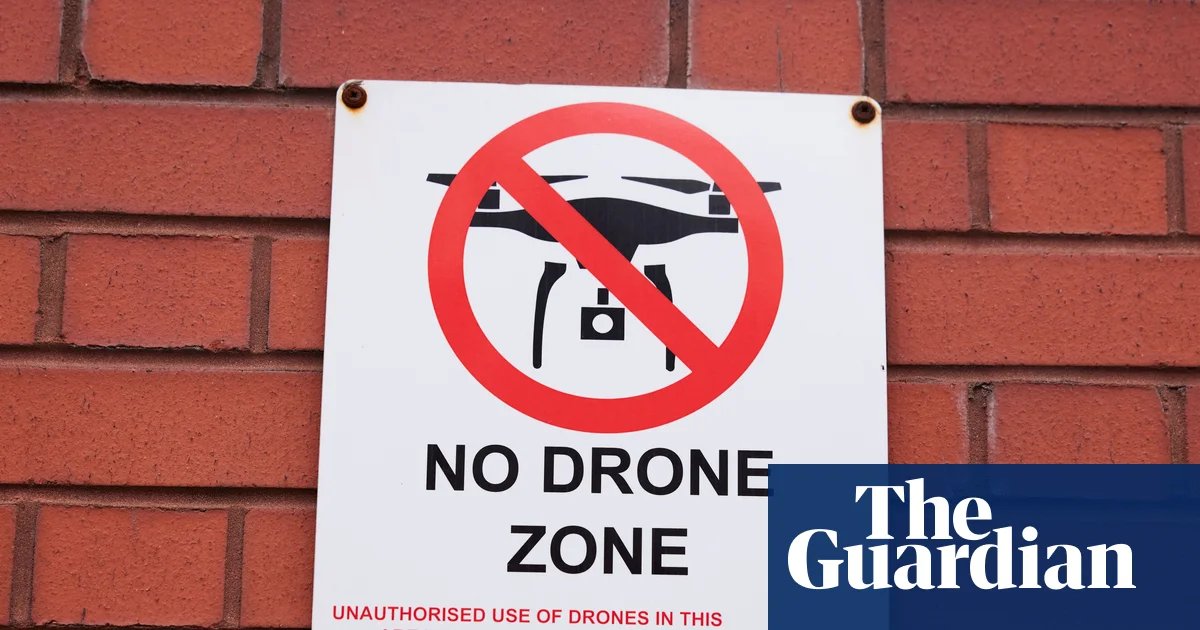
Jailed criminals who are flooding prisons with drugs should be isolated like radical extremists and “assertively managed”, the England and Wales prisons watchdog has said.
Charlie Taylor, HM inspector of prisons, said major dealers were living “consequence-free” in jail when they should be separated from the majority of inmates, subjected to regular searches for phones, and punished and rewarded according to their behaviour.
Taylor’s demands for a radical rethink follow concerns from MPs about how to break a cycle of violence and chaos caused by the large-scale importation of drugs into “long-term high-risk” prisons, which hold England and Wales’s most dangerous inmates.
In an interview with the Guardian, Taylor said: “Some serious organised crime gang members are coming into prison and their feet just don’t touch the ground.
“They’re running operations and making a lot of money almost from the moment they get into the jail. And at the moment, it feels fairly consequence-free.
“We should be thinking about assertively managing some of these people within prisons – separating them, controlling the regime and saying to them clearly: ‘If you want to be part of the normal regime of a prison, you need to stop commissioning drug sales into the jail.’ I would like to see more searches, more use of dogs.”
The police and Prison Service know who the imprisoned drug dealers are, Taylor said. He pointed to the use of separation centres for Islamist extremists as an example of where isolation units can improve prisons. “We have done that with radicalisers and you could see the effect that had – governors breathed an absolute sigh of relief.”
A report by the justice select committee found that “endemic” use of drugs in prisons caused violence and fuelled debt. More than one in 10 men and nearly two in five women have developed a drug habit while in prison, the MPs found, with 39% of prisoners finding it easy to get drugs.
Recent inspections of three out of eight of the long-term high security prisons – HMPs Manchester, Swaleside and Woodhill – uncovered soaring levels of violence connected to drugs.
Taylor said the use of drones to bypass prison defences had become a “national security threat”, and pointed to the ability of drones to carry weapons into Long Lartin, Worcestershire, where terrorists are held.
“I think the Prison Service, and others across government, have been very slow to respond [to the drone threat],” he said.
“If you’re getting weapons into HMP Long Lartin, which has got terrorist offenders serving very long sentences, and organised crime gangs, that’s a national security threat.
“The state should be rallying around and I don’t think it has done.”
Drones are now being used to bring in large volumes of goods, delivered to order, he said.
“We came across a jail where an 11kg package had come into the prison. It contained mobile phones, chargers, sim cards, Ozempic [which can be used for weight loss], Minoxidil [used to treat hair loss] and anabolic steroids, and huge amounts of cannabis.”
Taylor, whose tenure as chief inspector ends in October after six years, believes the Prison Service has failed to plan for an influx of prisoners currently being recalled to prisons.
Since 31 March, ministers have ended the use of short-term recalls of 14 and 28 days, and instead those who return to jail for breaching licence conditions will be released after 56 days.
“I don’t think the Prison Service has done enough planning about what to do with these prisoners on a 56-day recall,” said Taylor.
“What is a reasonable expectation for that prisoner? What should the prison be doing in those 56 days, or will it just become a revolving door? That is a risk for the general population.”
He said there could be an increase in risk to domestic abuse survivors as ex-offenders are released without any preparation under the “earned progression” model.
“The way the justice system used to work is you committed an offence, you got arrested, you went to court, you had a trial, and then you got sentenced to prison.
“But because of the enormous wait for trials, what’s happening now is you get arrested, you get sent to prison on remand, you then have your trial and you then get released with little support.
“So you’ve got potentially very risky people coming out potentially homeless. If it’s a domestic abuser, and you’ve come out homeless, well, of course the danger is where are you going to go? You’re going to go to the victim’s house,” he said.
The Ministry of Justice did not respond directly to Taylor’s request for isolation for drug dealers.
A spokesperson said: “As the chief inspector recognises, the prison crisis we inherited has left too many jails breeding crime rather than preventing it, with consequences felt across the estate.
“We are tackling these challenges head-on and have invested over £40m in new prison security, including £10m on anti-drone measures, to clamp down on the illicit items that fuel violence. We will continue to ensure those caught smuggling contraband into the prison estate face the full force of the law.”
The Ministry of Justice said the 56-day recall system provided more time to undertake necessary risk assessments to protect the public.


