dailynewsnblog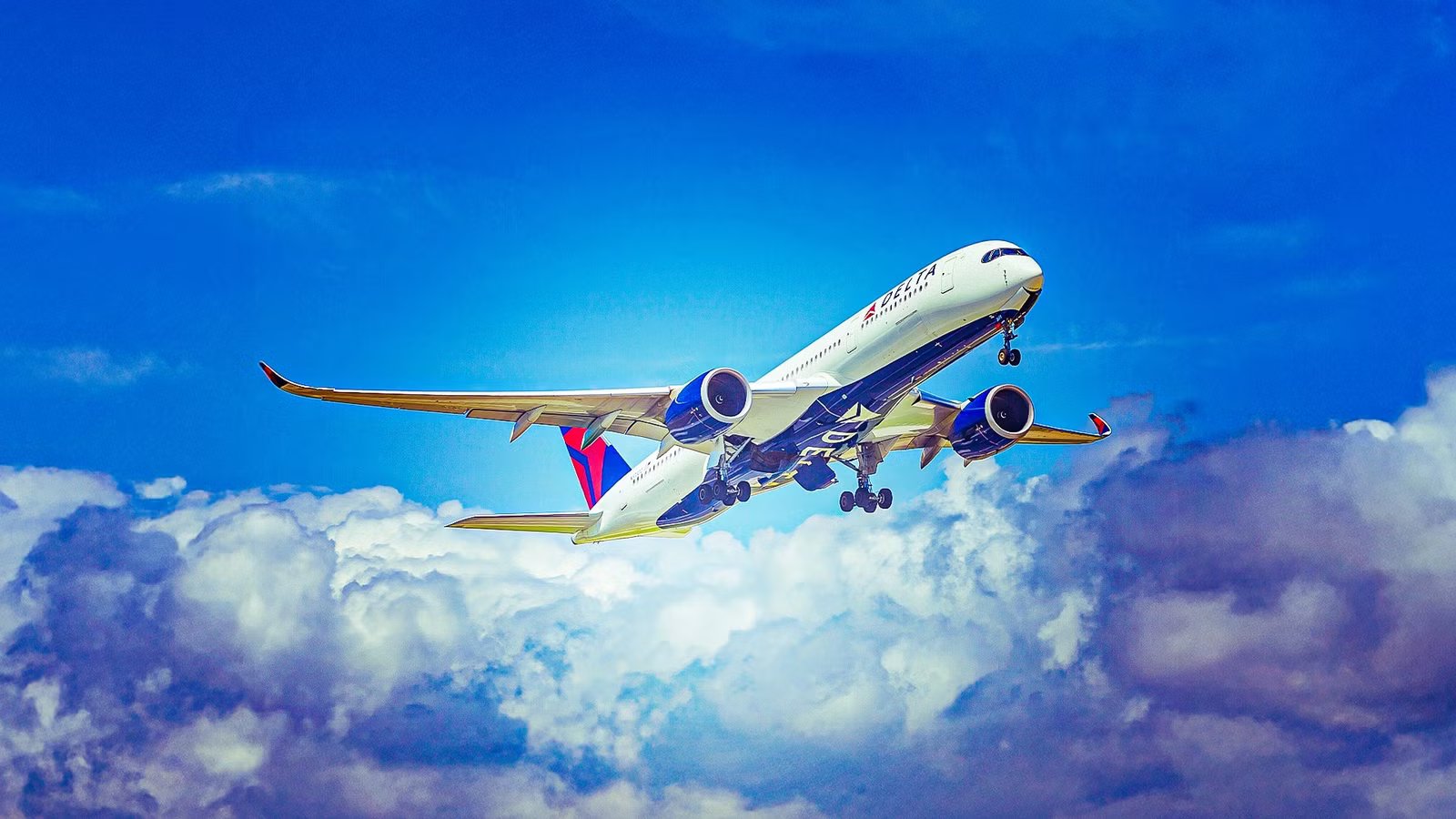
The idea of another major Airline Merger in the United States is back on the table. Speaking on CNBC on Tuesday, US Transportation Secretary Sean Duffy said he believes there is room for further consolidation in the industry, while stressing that any deal would still be scrutinized closely for its impact on consumers. That alone marked an important shift in tone after years in which airline mergers faced a far more hostile regulatory environment.
The timing is just as significant as the message. JetBlue has reportedly hired advisers to assess the viability of a sale to another carrier, while Spirit Airlines is restructuring and has left open the possibility of future industry transactions once it stabilizes. In other words, Duffy’s comments did not land in a vacuum. They arrived at a moment when parts of the market are already thinking seriously about consolidation again.
Boeing Backdrop, Big Signal

Duffy made the comments during a CNBC interview while visiting the  Boeing facility in Charleston, South Carolina. He noted that the US planemaker is having a “comeback story” after taking steps in the right direction with training and manufacturing capabilities. “They’re in a great place,” he said. “This is the greatest export of any company in America.”
During the conversation, the topic turned to potential airline mergers, and he was asked about growing merger discussions in the industry. Specifically, he was asked whether he would like to see one of the larger airlines buy one of the smaller airlines. As Reuters reported, Duffy responded positively, saying that he sees room for consolidation in the US airline market, even if any eventual deal would face careful review.
“Who knows who is going to match up?… But is there room for some mergers in the aviation industry? Yeah, I think there is.”
What made the remarks stand out was how plainly he said it. Duffy acknowledged that there is already “a lot of chatter” around possible airline combinations, then openly said he believes mergers remain possible. For airline executives, investors, and analysts, that sounded like the door is very much open with the current administration.
Of course, that doesn’t mean Washington is inviting a free-for-all. But it does suggest the conversation has changed. Under the Biden administration, competition in air travel was treated as a top priority, and regulators took an aggressive line against airline consolidation, notably squashing the merger plans of JetBlue and Spirit. Duffy’s comments point to a more conditional approach: not automatic approval, but not automatic rejection either.
Bigger Globally, But Not Unchecked

There was another layer to Duffy’s comments beyond simple consolidation. Bloomberg reported that Duffy noted that “President Trump loves big deals,” and re-framed the question in part around what a merger would do for the United States globally — in other words, whether a larger combined airline could help make US carriers stronger on the world stage.
That is an important distinction, because it ties in with the administration’s “America First” agenda, and suggests that it may be willing to view some airline tie-ups positively if they create bigger, more formidable US competitors rather than seeing size as a problem in itself.
But if the White House is inclined to like big, high-profile deals, the acid test would still be whether a merger produces a stronger airline without doing damage at home. Duffy noted that if there were a merger between some of the larger airlines, they “would have to peel off some of their assets,” before adding:
“We’ll look at it on a case-by-case basis. I am not going to pre-commit to anything. But I’ll certainly look at whatever comes across my desk, and I know the president will look at that as well”
That points to a more conditional approach: scale may be attractive, but only if the competitive harm can be softened through divestitures.
Reuters also noted that any deal would still need approval from the President, the Department of Transportation, and the Justice Department, so even in a friendlier environment the familiar questions would remain: Does the merger reduce consumer choice, make one airline too powerful in certain markets, or push fares higher?

JetBlue Considers Selling Itself To A Major US Carrier, Weighs How Washington Will React
JetBlue’s exploration of a potential sale to rival airlines has sparked intense speculation and antitrust scrutiny.
JetBlue, Spirit, Frontier: Future Airline Merger Options

The obvious headline name in this discussion is JetBlue. The airline has actively hired advisers to examine the viability of a sale to a rival carrier and is in the process of assessing how tie-ups involving  United Airlines,
  Alaska Airlines, or
  Southwest Airlines might be received by regulators. No word from those three as to who might be an interested suitor, but analysts strongly favor United given its deeper pockets, and the fact that the other two are already undergoing significant change and restructuring.
But JetBlue may be the most visible name without necessarily being the easiest transaction. A deal involving JetBlue and a larger network airline could bring strategic upside, but also severe antitrust questions in places like the Northeast and Florida, where JetBlue’s footprint is most meaningful. By contrast, Spirit is the more obvious distressed piece on the board. Its restructuring agreement would allow it to emerge as a smaller airline (and more easily-acquired) airline by the summer, with its leadership explicitly stating that it will “consider potential future industry transactions” once it stabilizes.
Then current global events is where Frontier Airlines enters the conversation. Reuters has separately reported that JetBlue, Spirit, and Frontier are the carriers most exposed if current elevated fuel prices persist, with all three under pressure at the lower end of the market. That creates a more logical lens for merger analysis: a pressure-driven combination among vulnerable airlines trying to survive a harsher cost environment.
With that in mind, the clearest takeaway from Duffy’s remarks is not that every airline suddenly has a potential partner. It is that Washington may once again be willing to listen.