dailynewsnblog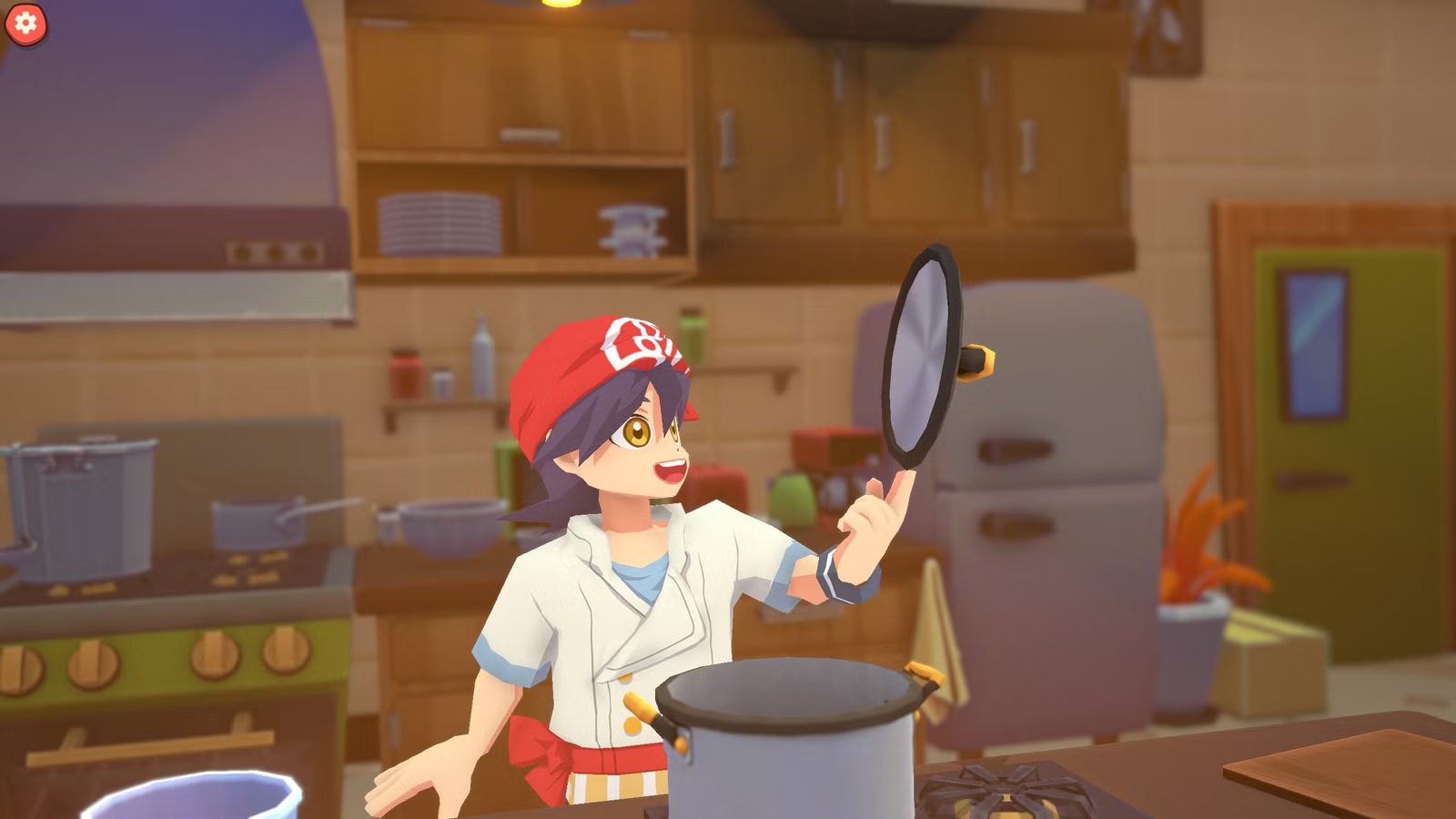
Life-sims and cooking games follow established patterns. On the life side, you either get farming (or something similar) or godlike control over daily life, like The Sims. And on the cooking side, you cook. Sometimes you cook with Mama, or at a food cart, or with extremely unsettling animals. These genres almost never collide, which makes KuloNiku: Bowl Up from Gamir Studio (makers of The Anomalous Hour) something of a rarity. I had some doubts about how the two styles might complement each other, but it turns out they’re a natural pairing.
KuloNiku hops on the Harvest Moon bandwagon a bit. You’re an aspiring youngster who moves back to a small town to take up the mantle of their aged relative. Only it’s grandma’s meatball restaurant this time, rather than granddad’s farm, and you’ve got some shady secrets behind those bright, eager eyes. These gradually unfold as you get to know some of the townsfolk, like your assistant who went to college with you and the strange entrepreneur who remembers you “from Marrakesh” and promises to keep your doings there to himself.

Ume, whose family runs the general store, is basically Mary the librarian from Harvest Moon (shy and introverted, yet eager to make friends) though she does have a distressingly deep fascination with knives. Stella, your rival, is basically Jamie from Harvest Moon: Magical Melody, if Jamie were a punk rocker. The cast’s similarities never seem like shameless imitations, though, and during your interactions, their unique quirks tend to stand out above the tropes they’re based on anyway.
The life-sim aspect is, admittedly, a bit on the periphery. You’ll make friends with locals, help develop the town, and hang out with your special friends. You can do the usual relationship thing of picking the right responses to deepen your friendships. There’s even a light decorating component, which is welcome, since the starter restaurant is appallingly ugly. Everyone’s stories are entertaining, if not especially deep. But it’s all just the right amount to sell the feeling of becoming part of a close community, and it gives the routine cooking tasks an extra layer of meaning.
The meat(ball) of KuloNiku is cooking, though, and it’s split two ways. The first is the daily routine of running your restaurant. An average day consists of filling three orders, often from returning customers. Orders are generated at random based on your current selection of ingredients, though, so there’s no getting to know your client base – an unfortunate omission for a game about building small-town bonds. It does make all that cooking more varied, at least.
Orders have three main components. You’ve got your meats and noodles, add-ins like chili pepper or bok choy, and seasoning. Every dish has a flavor profile, and every ingredient alters at least one flavor in some way. Some customers hate salty things, but love sweet flavors, for example. Sweet soy sauce might be your standard go-to for sweetening a dish, but use it in this case, and the added salt means you’ll get a not-so-happy customer. Orders get more complex as your restaurant and its status grow.

Eventually. You start with very little in the kitchen, so the first few days drag while KuloNiku familiarizes you with the basics. There’s only so many times you can make a basic meatball soup and not wonder what you’re doing with your life, but the experience is worth the tedium. You eventually get to the point where you can make basic recipes without even thinking about it. As customers get more demanding, the extra time saved gives you more space to accommodate their requests without making them grow impatient. Customer satisfaction is based on how long you take and how accurate the order is, and while they’re forgiving, making a mistake means your restaurant’s funds and reputation grow more slowly, which also means you get access to new features more slowly. And you don’t want that. New features in KuloNiku are a legitimate joy, because they open so many new recipes and methods for doing things.
Take, for example, an early dilemma I had over whether to buy extra bowls. It would mean spending less time washing dishes, I thought. Then I bought spicy onions instead for extra flavor options (which added more variety to the daily grind) and arranged my work tasks so there was always one clean bowl ready for use. You do benefit from the added breathing room of more dishware later, but it was nice to feel like I circumvented the system with a bit of efficient organization (and even nicer that KuloNiku gives you the freedom to do it).
The second big cooking component is the twice-weekly MeatBrawl Contest, a cook-off between you and another restaurant owner or aspiring chef. Here, you’ve got a panel of judges to impress, each with their own preferences and expectations. Meeting them earns you points; disappointing them loses points. This gets pretty complicated once the panel grows to include more than one judge.
The actual cooking process is much different in competitions, with even more flexibility in how you approach each dish. You have three rounds, each with a limited number of action points. Boiling meatballs is one point. Same with noodles, adding seasonings, and so on. That means you have to think laterally and balance risk and reward to make the most of your limitations. Maybe, for example, one judge hates tendon meatballs. But if you add those to satisfy another judge, meet the recipe requirements, and alter the flavor profile so it fits the first judge’s tastes, then you get a net positive result with just one action. These competitions are where creative experimentation — an element that’s so often missing in cooking games — finally shines through, and they’re an absolute blast.
KuloNiku: Bowl Up is available now on Windows PC.The game was reviewed on Windows PC using a prerelease download code provided by Raw Fury. You can find additional information about Polygon’s ethics policy here.