dailynewsnblog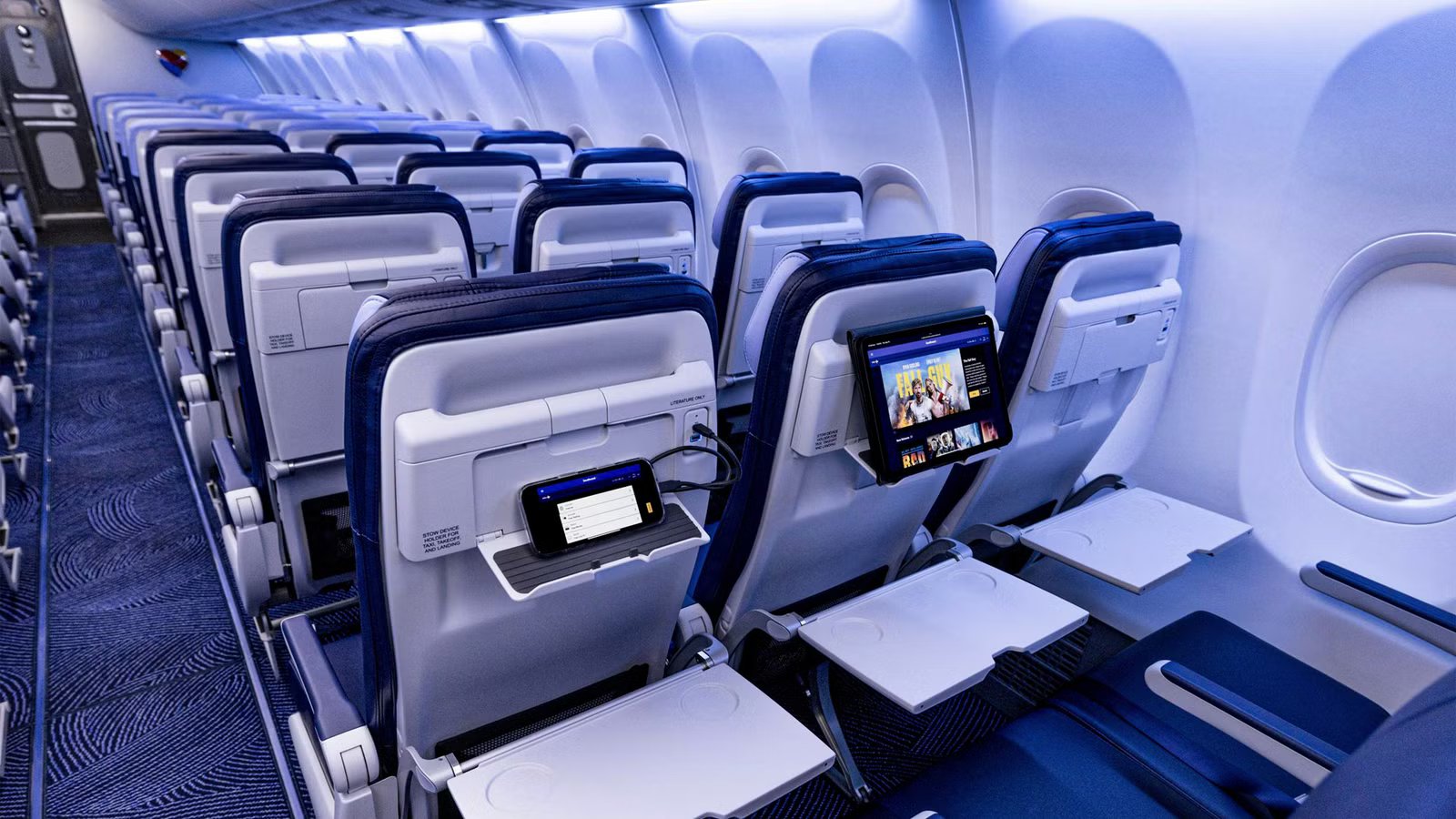
 Southwest Airlines has announced a new safety policy restricting passengers to just one portable charger per person on its flights, in a move aimed at reducing the risk of onboard battery fires. The rule, set to take effect on April 20, also bans storing power banks in overhead bins and prohibits their use in-flight. The decision follows growing global concern over lithium battery incidents in aviation, highlighted by regulators and recent in-flight events.
The Dallas-based carrier’s move aligns with tightening international safety standards and reflects increasing scrutiny of lithium-ion batteries carried by passengers. With regulators and airlines worldwide responding to a rise in battery-related incidents, Southwest’s policy signals a broader industry shift toward stricter handling and use of portable electronic devices on board the aircraft.
New Restrictions Target Onboard Lithium Battery Risks

Southwest Airlines confirmed that each passenger will now be limited to a single lithium portable charger, commonly known as a power bank. Additionally, these devices must be kept either on the passenger’s person or in an under-seat carry-on bag, eliminating the option of storing them in overhead compartments. The airline emphasized that the change is designed to improve its ability to quickly detect and respond to overheating batteries during flight, while limiting potential damage.
Another key aspect of the policy is the ban on recharging portable chargers using in-seat power systems. While many travelers rely on onboard outlets to keep devices powered during longer journeys, Southwest is actively discouraging this practice due to the heightened fire risk associated with charging lithium batteries in confined cabin environments. The airline noted that these steps are part of a broader safety enhancement strategy focused on minimizing potential ignition sources.
Global Regulators And Airlines Move Toward Stricter Battery Controls

The airline’s decision comes shortly after the International Civil Aviation Organization (ICAO) introduced updated global guidance on portable battery usage. The United Nations aviation body now recommends limiting passengers to two power banks and explicitly prohibits recharging them during flights. Southwest’s stricter one-device rule goes beyond these guidelines, positioning the carrier among the more cautious operators in the industry.
As reported by Reuters, other aviation stakeholders have already begun implementing similar measures. Airlines within the Lufthansa Group and authorities in countries such as South Korea have introduced tighter controls following numerous incidents, including a 2025 fire aboard an Air Busan aircraft and two separate incidents involving major Asian carriers in January 2026. These developments underscore a growing recognition that lithium-ion batteries, while ubiquitous, pose a non-negligible safety risk when damaged, improperly stored, or overheated.
Regulatory pressure has also been mounting in the United States. In September, the Federal Aviation Administration ( FAA) issued a safety alert highlighting the dangers of lithium batteries in passenger cabins. According to the FAA, there were 97 recorded incidents involving smoke, fire, or extreme heat linked to batteries on flights last year, up from 89 in 2024. This upward trend has prompted both regulators and airlines to take preemptive action.

New Global Aviation Rules On Power Banks Come Into Effect – Here’s What’s Changing
Passengers can now carry up to two power banks each onboard.
Rising Battery Incidents Drive Industry-Wide Safety Overhaul

Battery-related incidents onboard aircraft have become an increasingly important safety concern over the past decade, due to the widespread use of power banks during long trips. These events often involve thermal runaway — a chain reaction within lithium-ion cells that can lead to rapid overheating, smoke, and fire. High-profile cases, such as the Air Busan aircraft fire in 2025, have reinforced the need for stricter controls on passenger-carried batteries and improved crew training for handling such emergencies.
Globally, aviation authorities have responded with a mix of guidelines and mandates. ICAO’s latest recommendations took effect immediately and are expected to be adopted by its 193 member states, although implementation may vary across airlines and jurisdictions. Meanwhile, manufacturers and airlines are exploring technological solutions, including fire-resistant containment bags and improved detection systems, to better manage onboard battery risks.
Meanwhile, Southwest Airlines also aims to reduce passenger reliance on portable chargers altogether. The carrier announced plans to equip its entire fleet with in-seat power by mid-2027, a move that could eliminate the need for many travelers to carry power banks. Until then, the airline’s new policy represents a proactive step toward addressing a growing aviation safety challenge while aligning with evolving global standards.