dailynewsnblog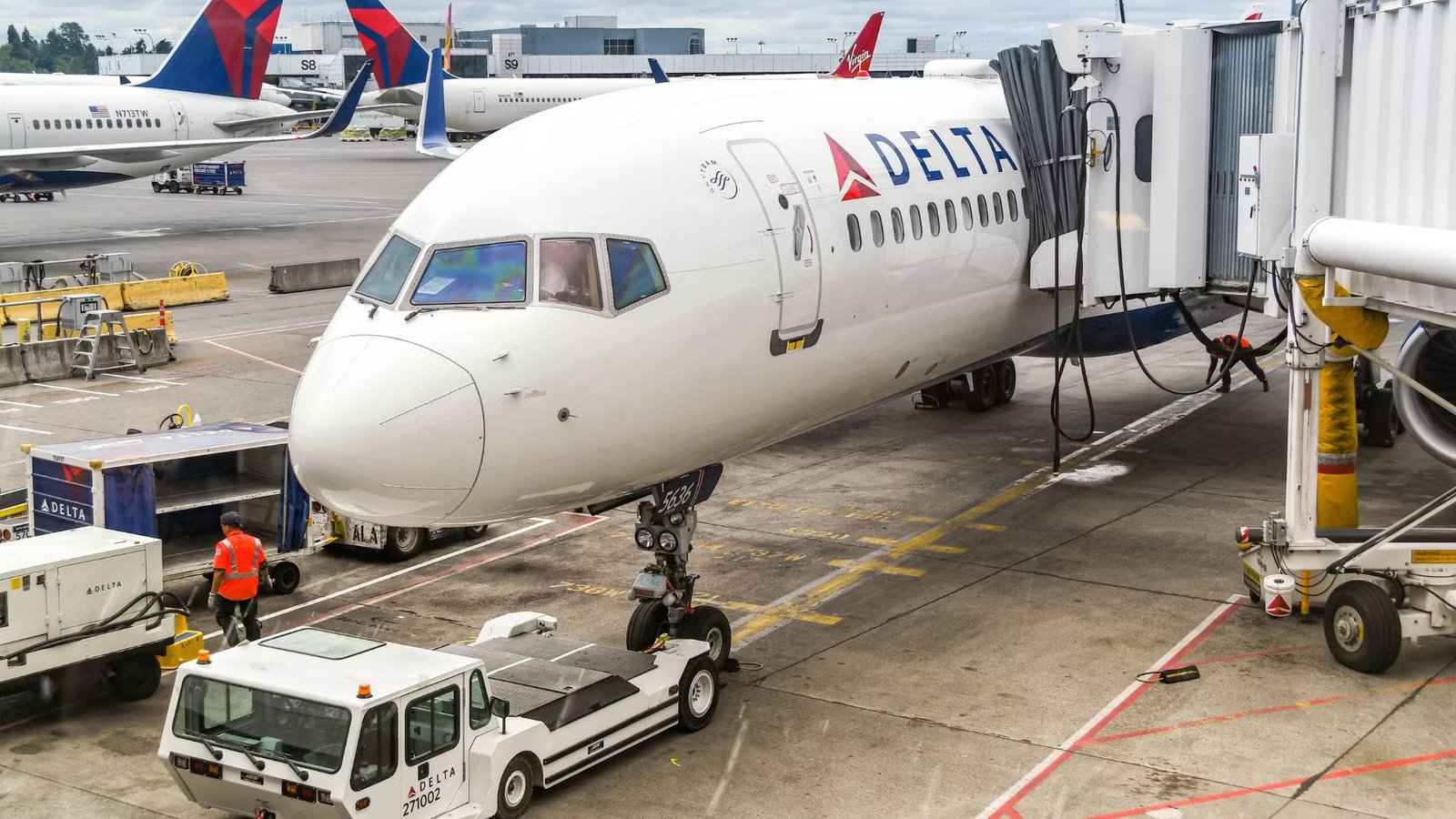
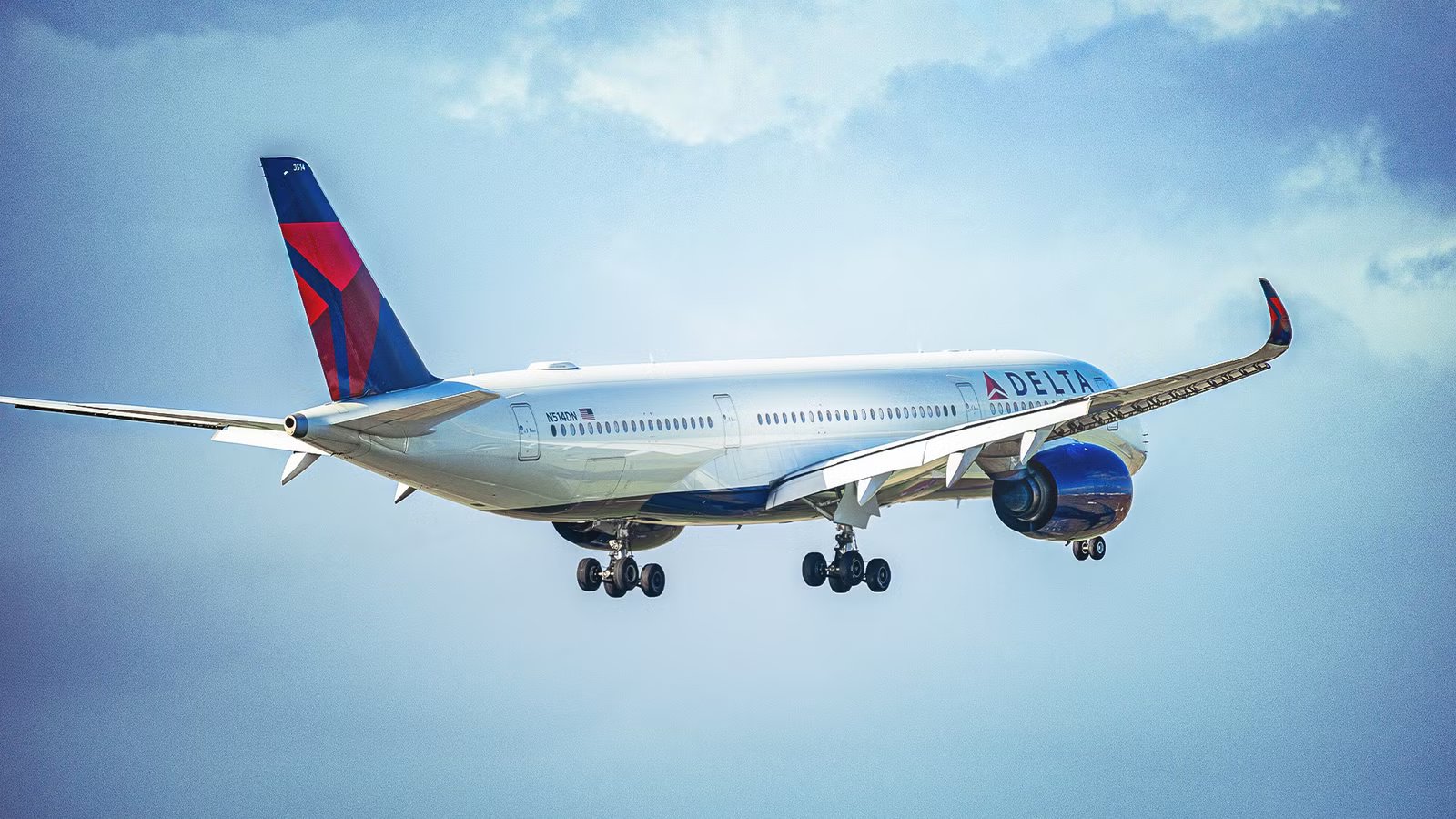
 Delta Air Lines has confirmed it will increase checked baggage fees across domestic and select short-haul international routes, becoming the third major United States airline to do so in April 2026. The changes apply to tickets purchased from April 8 onward and come amid a sharp rise in global jet fuel prices. The increase follows similar moves by United Airlines and JetBlue Airways as carriers respond to escalating operating costs. The trend highlights mounting financial pressure across the aviation sector.
The decision comes as fuel costs surge due to geopolitical instability in the Middle East, significantly affecting airline margins. Jet fuel prices have more than doubled compared to 2025 averages, forcing airlines to reassess pricing strategies. While base fares have also increased, carriers are increasingly relying on ancillary fees to offset costs. Passengers are now facing higher total travel expenses, even when ticket prices appear competitive.
Fuel Price Surge Forces Airlines To Rethink Ancillary Fees

Delta’s revised fee structure increases the cost of a first checked bag to $45 (€39) and a second to $55 (€48) on applicable routes. A third checked bag will now cost $200 (€178), representing a larger jump than the first two tiers. These changes mark the airline’s first domestic baggage fee increase in roughly two years. The adjustments are part of a broader effort to manage rising fuel and broader operational expenses.
The updated pricing applies to tickets booked from Wednesday, April 8, while certain passengers will continue to receive exemptions. Customers traveling in premium cabins, elite loyalty members, active-duty military personnel, and co-branded credit card holders are generally unaffected. Importantly, long-haul international routes will not see any changes to baggage pricing. This ensures that the impact is concentrated primarily on short-haul and domestic travelers. In a statement, Delta Air Lines said:
“These updates are part of Delta’s ongoing review of pricing across its business and reflect the impact of evolving global conditions and industry dynamics.”
Delta Aligns With Rivals As Industry-Wide Fee Increases Take Hold

The latest increase is closely tied to a dramatic rise in jet fuel costs, driven by disruptions to global oil supply chains. Conflict in the Middle East, including tensions affecting key shipping routes such as the Strait of Hormuz, has pushed fuel prices sharply higher. In early April, jet fuel prices climbed to around $200 per barrel, more than double previous norms. This surge has significantly increased airline operating expenses, particularly for fuel-intensive long-haul fleets.
Delta’s move follows similar pricing adjustments by United Airlines and JetBlue, both of which implemented increases within the same week. The coordinated timing suggests an industry-wide response to cost pressures rather than isolated decisions. Analysts note that baggage fees are often easier to adjust than base fares, allowing airlines to maintain competitive ticket pricing. As a result, ancillary charges have become a key lever for revenue generation.
Despite these cost challenges, demand for air travel remains strong in 2026. Airlines have reported solid booking trends, particularly during peak travel periods. This resilience gives carriers more flexibility to introduce fee increases without significantly dampening demand. However, it also raises concerns about the overall affordability of air travel for price-sensitive passengers.

Checked Bags On United Airlines Now Cost $10 More As Jet Fuel Prices Surge
Flying gets more expensive as conflict in Iran wages on.
What Higher Checked Bag Costs Mean For Travelers In 2026

Airlines are also leveraging these changes to encourage engagement in loyalty programs and credit card partnerships. Many travelers can avoid baggage fees by holding airline-branded credit cards or achieving elite status. This strategy not only offsets fee backlash but also strengthens customer retention. As a result, fee increases often serve multiple strategic purposes beyond immediate cost recovery.
Looking ahead, further adjustments may depend on fuel price trends and geopolitical developments. If oil markets stabilize, airlines could slow the pace of fee increases, though history suggests such charges rarely decrease. For now, Delta’s decision reinforces a broader industry pattern where rising costs are increasingly passed on to passengers through ancillary fees.