dailynewsnblog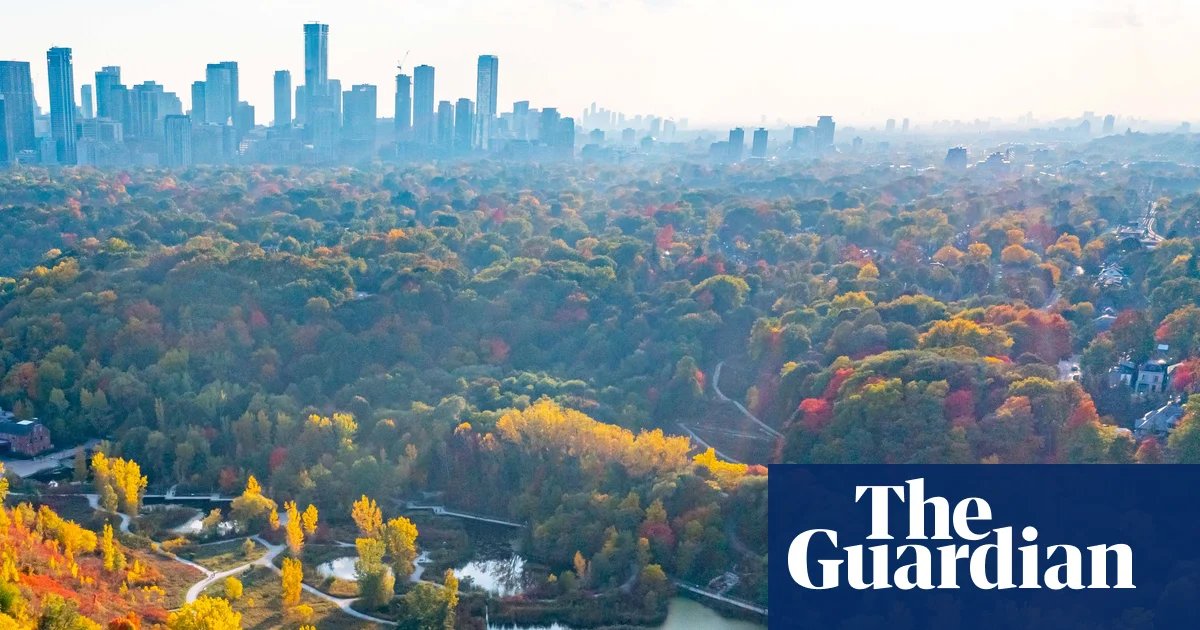
A row has broken out in one of Canada’s wealthiest neighbourhoods over plans to use an AI-powered surveillance system to create the country’s first “virtual gated community” to combat surging property crime.
Crime rates in Toronto as a whole are dropping, but residents of Rosedale have been left on edge by a sustained rise in home invasions, with robbers targeting the tree-lined neighbourhood at a rate more than double the city average. Break-ins and theft remain the third highest per capita in Toronto.
Growing unease is reflected in the community’s WhatsApp group, where as many as 60 out of about 350 members are already contributing to fund private security.
“My friends experienced a horrific home invasion here in the community – their children were held at knifepoint, and they will be traumatised for the rest of their life. Other friends aren’t sleeping well at night because they’re anxious about the crime that’s going to occur,” said Craig Campbell, the Rosedale resident who proposed the plan. “Almost everyone knows someone who has been affected. Something has to be done.”
In late March, residents attended a virtual meeting led by Campbell, who runs a security company. He outlined a plan in which an initial group of 100 residents would pay a C$200 (about £110) monthly subscription for technology which scans the licence plates of cars passing through the virtual “gate”. The US-based company Flock says the AI underpinning the technology can learn which cars belong to residents and which ones are suspicious.
A rollout in the neighbourhood would mark Flock’s entrance into the Canadian market.
Campbell emphasised that the cameras did not use facial recognition, instead collecting licence plate data to create “whitelists” (known) and “blacklists” (suspicious) of vehicles entering the neighbourhood. Data collected by the camera is retained for 30 days and police would only be able to access data with legal authorisation. The system would work alongside the unarmed security guards who are already paid to patrol the area.
Campbell holds the Canadian licensing rights for Flock, and told the Guardian he “absolutely has a commercial interest in creating a viable business” around the security system. But he also said he was motivated by a feeling of frustration from friends and neighbours that not enough was being done.
“For my family’s safety, I’m not waiting around for the government to fix this. Yes, it’s a complex issue. But there’s things that we can do today to help ourselves instead of waiting around,” he said.
The Guardian reviewed the March meeting in Toronto and found that many of the residents who spoke were enthusiastic about the project, as were members of the WhatsApp group. But others were less certain, citing concerns over AI bias, profiling and the broader spectre of surveillance.
Flock boasts its network of more than 90,000 cameras has helped communities reduce crime by “up to 70%” – a figure researchers say is difficult to verify independently.
But the company has also faced mounting scrutiny from activists in the US after local police shared data from schools with ICE agents and a police officer used the system to search the country for a woman who had had a self-administered abortion.
One investigation found more than a dozen errors when reading a vehicle licence plate or a lack of verification by officers – resulting in people who had not committed crimes being stopped at gunpoint, sent to jail, or mauled by a police dog.
Flock has clashed with the American Civil Liberties Association in recent years over allegations of mass surveillance. A website, FlockHopper, has been set up specifically to helps user avoid the system. One user posted a video on YouTube that showed how he hacked a Flock camera in less than 30 seconds.
Privacy laws in Canada are far stricter than south of the border and a plan like the one proposed in Rosedale would probably face a legal challenge if it were deployed. Regulators are likely to view the network of cameras as a data collection system, not just home security, triggering Canada’s Personal Information Protection and Electronic Documents Act (Pipeda).
“We’re very comfortable that we will be in compliance with all privacy regulations,” said Campbell. “Nothing about the cameras and the technology is any different than any private citizen standing on a corner taking a picture with their iPhone – except in this case, it’s only the licence plate being recorded.”
Toronto police acknowledged that when residents felt unsafe from crime, they “may look for ways to increase their sense of security”, but did not comment on the legality of the proposed Flock system.
A spokesperson for the force said “any technology that captures images, video or licence plates raises important considerations around privacy, data storage” and how that information was used or shared. Police said people wanting to use systems “may wish to seek guidance on applicable privacy laws and municipal regulations”.
In the Rosedale WhatsApp group, there were tensions over how to view the project. “Is there a reason why everyone wouldn’t want this level of safety and security?” wrote one user who said he had pre-registered for Flock’s system.
Another responded: “AI is one of the most unethical tools of our time,” citing its impact on the environment, bias and cases of wrongful arrest.
François Hébette, who moved to the neighbourhood with his family a year and a half ago from California, said he understood the feelings behind the plans. When he was younger and living in Belgium, he experienced a break-in and the jarring anxiety that follows.
“A private initiative like this might be quite effective and fix this issue,” he said. “But if you wanted to live in a gated community, you can move to one. The idea of changing a neighbourhood into this ‘virtual’ one just doesn’t feel right. We have young kids and I’m not sure this is the kind of world I’d like for them.”
A spokesperson for Ontario’s privacy commissioner said because the office had not examined the matter, it was not in a position to offer specific comment.
But they did say that companies that provided surveillance technologies for profit must inform individuals and obtain consent in a meaningful way and “use or disclose personal information for purposes that a reasonable person would consider are appropriate in the circumstances”.
The company would also need to ensure the public was informed that video surveillance was taking place, and explain the use of the cameras. It would also need to ensure that personal information (including in recordings) that was no longer required be destroyed, erased, or made anonymous.
The city of Toronto does not require permits for security cameras, but recommends a series of “best practices” – including minimising the footage gathered outside a property. The city notes that the information and privacy commissioner of Ontario suggests a retention period of 72 hours – far shorter than the 30 days proposed at the Rosedale residents’ meeting.
Signs would be posted in the neighbourhood, warning that surveillance was taking place and giving residents (or anyone passing through) access to a QR code linking to the privacy policy and opt-out process. Anyone can request their licence plate be removed from the system. While drivers can reduce their presence in the system, they cannot fully avoid being recorded. With commuters, delivery drivers and maintenance workers travelling through the neighbourhood, it is unclear if this would satisfy the regulator.
“We’ve had questions from the community about what happens if the bad guy opts out of their licence plate being covered. And yes, that’s a possibility,” said Campbell. “There are valid questions about this and about the databases. But what you can’t do is stop progress and innovation. Instead, you have to be thoughtful and be very public about what your values are.”