dailynewsnblog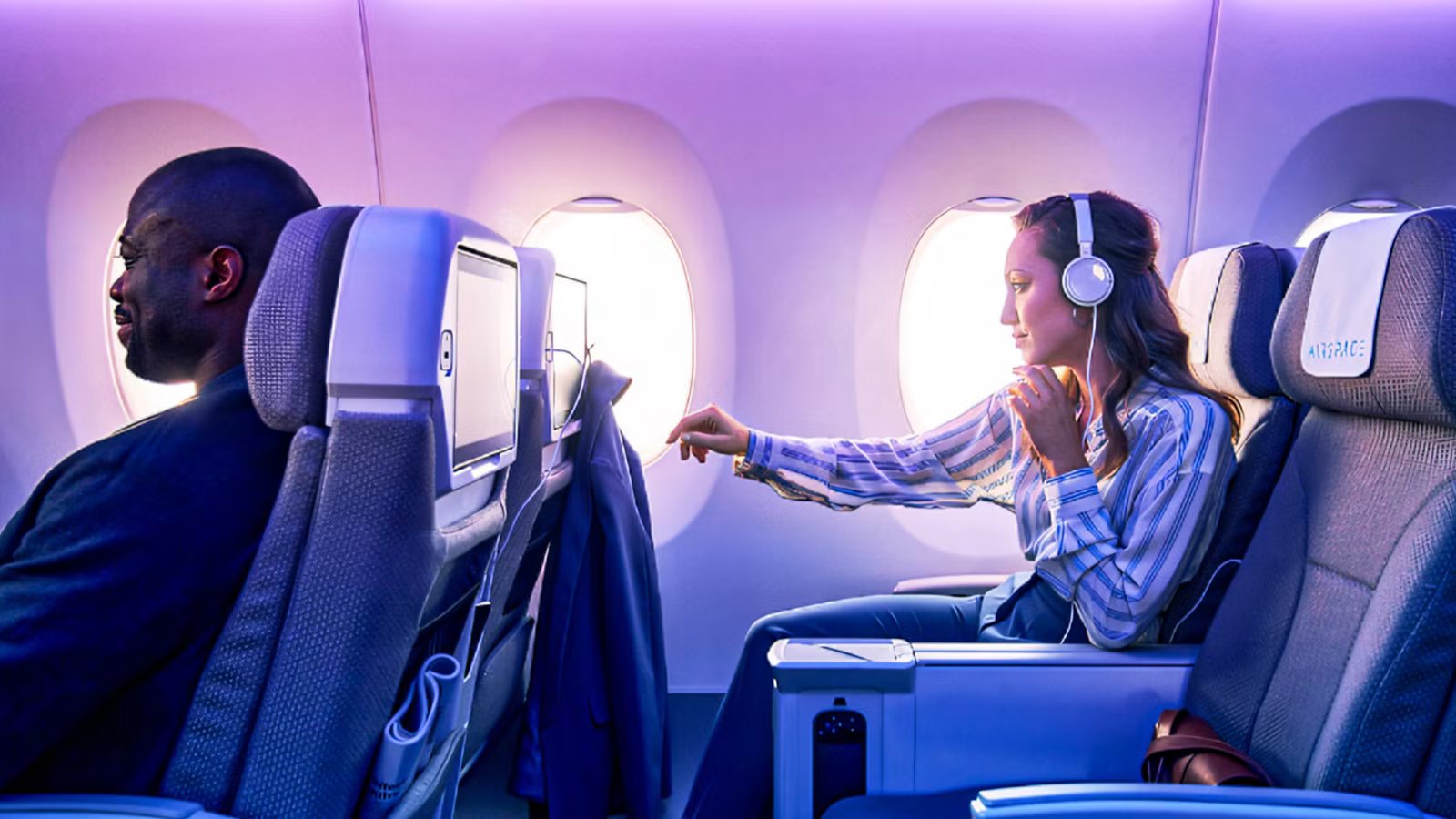
Economy class is the most affordable and widely available way to fly, offering basic seating with limited legroom, standard entertainment (mainly on long-haul flights), and simple or paid meal options depending on the airline. It is best suited for budget-conscious travelers, short trips, or those who prioritize price over comfort, though extras like baggage and seat selection often come with additional fees.
Premium Economy is an upgraded version of economy that provides wider seats, more legroom, greater recline, and improved overall comfort. Passengers also benefit from higher-quality meals, larger entertainment screens, and added perks such as priority boarding and increased baggage allowance. While it costs significantly more than economy, it remains much cheaper than Business class and is particularly attractive for long-haul travelers seeking a more comfortable experience. This article breaks down exactly how much more you can expect to pay for the upgrade.
The Core Price Difference

Premium economy tickets usually cost more than standard economy fares. However, the exact difference varies widely. It depends on the airline, route, and timing of booking.
In general, travelers can expect to pay between 50% and 100% more than they would for an economy ticket. At the lower end, the increase may be around 30%. This offers a relatively modest upgrade in comfort and services. At the higher end, prices can rise to double the cost of economy. In some cases, they can exceed this level. On certain routes or during peak periods, premium economy can cost two to seven times more than a standard ticket.
This wide variation reflects the dynamic nature of airline pricing. Fares can change significantly even on the same airline and route. Demand, availability, and booking timing all influence the final price.
Real-World Fare Examples By Route Type

Approximate transatlantic pricing in 2026 highlights the clear positioning of premium economy between economy and business class. Economy fares on routes between the United States and Europe typically range from around $750 to $1,000 return, while premium economy generally falls between $1,200 and $2,000. This creates a price gap of roughly $400 to over $1,000, with business class sitting much higher at around $3,500 to $5,000.
In percentage terms, short-haul routes tend to see premiums of around 40–50%, while long-haul international flights more commonly range from 60–100%. On major intercontinental routes, travelers can expect to pay an additional $400 to $800 for premium economy over a standard economy ticket. Prices also fluctuate significantly with seasonality. During shoulder periods such as January, May, or early September, discounted premium economy fares can drop as low as $600 to $800 round trip, compared to $1,200 or more during peak summer and holiday travel. Across specific routes, similar patterns emerge. For example, a London–New York round trip typically sees economy fares of roughly $500–$600 and premium economy around $1,000–$1,300.
On longer routes such as London–Dubai, premium economy can cost around $2,500 compared to roughly $850 in economy, while London–Singapore often sees premium economy in the $3,000 range versus around $1,400 for economy. Flights from London to Los Angeles fall somewhere in between, with premium economy around $1,900 and economy closer to $650.
Overall, while the absolute price varies by route and airline, the relative gap remains consistent, reinforcing premium economy’s role as a mid-tier option between affordability and comfort.

The Most Comfortable US Premium Economy Seats You Can Book Today
A closer look at which US airline offers the most comfortable premium economy seats.
Where Premium Economy Sits In The Pricing Hierarchy

Business class typically costs three to five times the price of an economy ticket. Premium economy, by comparison, usually sits at around 1.4 to 2 times the cost of economy.
That creates an interesting gap. The jump from premium economy to business class (often two to three and a half times more) is usually much larger than the step up from economy to premium economy. This pricing structure is not accidental. Many travelers report paying around 1.5 to 2 times the price of a standard economy ticket for premium economy. It remains far cheaper than business class, which can cost several multiples of an economy fare. As a result, premium economy is often seen as a middle ground. It offers more comfort without the steep price of business class.
Some US airlines take a slightly different approach. Carriers such as Alaska Airlines, with its “Premium Class”, and Hawaiian Airlines, with “Extra Comfort”, offer upgraded economy seating with extra legroom and added perks. These are not full premium economy cabins, but they still offer a useful step up for travelers who want more comfort without paying a significantly higher fare.
What Affects The Price Gap

Several factors can push premium economy prices up or down. One of the most important is timing. Booking well in advance can narrow the price gap between economy and premium economy. Last-minute bookings tend to do the opposite. Premium seats are limited and often in high demand, which drives prices higher closer to departure.
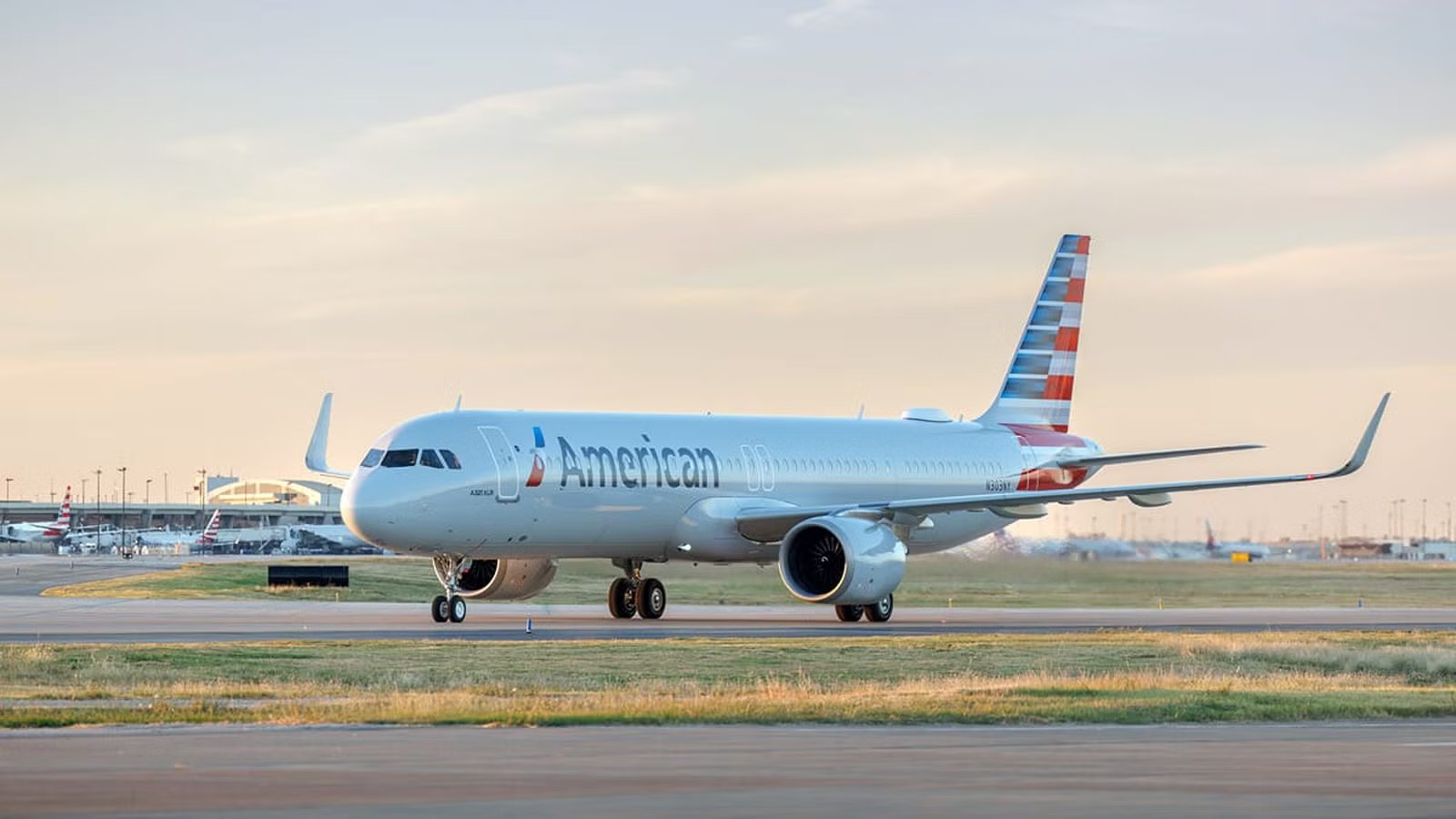
Competition on a route also plays a major role. Routes served by multiple airlines usually have more competitive pricing across all cabin classes, including premium economy. On routes with little competition, airlines have more freedom to set higher fares. Some of the most competitive markets include transatlantic and transcontinental US routes. Airlines such as American Airlines and JetBlue operate single-aisle aircraft on these routes, and premium economy-style seats on these flights are often in high demand.
Seasonality is another key factor. Peak travel periods tend to affect premium economy more than standard economy. For example, during summer transatlantic travel or Christmas routes to Asia, premium economy fares can rise by as much as 100%. Economy fares, by contrast, may increase by only 30 to 40%. The table below shows ticket trends in 2025 based on data gathered by Kayak.
Economy:
|
Flight type |
Pricing type` |
Month |
Price |
|---|---|---|---|
|
Domestic |
Cheapest |
September |
$286 |
|
International |
Cheapest |
August |
$694 |
|
Domestic |
Most expensive |
December |
$363 |
|
International |
Most expensive |
December |
$1,169 |
Premium Economy:
|
Flight type |
Pricing type` |
Month |
Price |
|---|---|---|---|
|
Domestic |
Cheapest |
August |
$623 |
|
International |
Cheapest |
August |
$1,811 |
|
Domestic |
Most expensive |
December |
$782 |
|
International |
Most expensive |
June |
$2,411 |
More broadly, availability is tightening. In 2026, airlines are filling around 84% of seats globally. This leaves less unsold inventory, which previously helped drive cheaper last-minute upgrades. As a result, those opportunities are becoming less common. Prices are also highly sensitive to external events. Major sporting events, festivals, or geopolitical disruptions can all influence demand. This makes fares dynamic and sometimes unpredictable, even on the same route.

The Striking Differences Between Premium Economy & Economy On Long-Haul Flights
Premium economy is gaining popularity all around the world, as passengers are spending more on travel.

Cathay Pacific | Simple Flying
Premium economy offers a noticeable step-up in comfort, particularly on long-haul flights. Seats are typically one to two inches wider than in standard economy and provide an additional five to seven inches of legroom. In practice, this means seat widths of around 18 to 19.5 inches, compared to 17 to 18 inches in economy, and a seat pitch of roughly 37 to 42 inches instead of 31 to 34. The result is a more spacious and comfortable seating experience, often enhanced further by greater recline and the addition of leg rests.
Beyond the seat itself, the overall experience is also upgraded. Passengers usually benefit from priority check-in, boarding, and baggage handling, with checked luggage allowances often increased to two bags. The table below shows the differences in economy and premium economy offered by  American Airlines. On board, service levels are typically higher, with dedicated cabin crews, improved meal options, and a wider selection of drinks, including complimentary alcoholic and non-alcoholic beverages. Amenities are also enhanced, with better-quality entertainment systems, noise-canceling headphones, power outlets and USB ports, as well as more substantial pillows and blankets for long flights.
|
Class |
Aircraft |
Seat Count |
Seat Pitch |
Seat Width |
|---|---|---|---|---|
|
Economy |
Boeing 787-8 |
28 |
38″ |
19″ |
|
Premium Economy |
138 |
31″ |
16.2 – 18.1″ |
|
Class |
Aircraft |
Seat Count |
Seat Pitch |
Seat Width |
|---|---|---|---|---|
|
Economy |
Boeing 777-300ER |
28 |
38″ |
18.5″ |
|
Premium Economy |
188 |
31″ |
16.2 – 18.1″ |
The growth of premium economy reflects its rising popularity. Over the past decade, the number of widebody aircraft equipped with premium economy cabins has more than doubled. Today, around 45% of such aircraft offer this class globally, with the figure reaching approximately 90% across North America, highlighting how firmly premium economy has established itself as a standard intermediate option between economy and business class.
Is It Worth It?

Premium economy in 2026 is no longer a niche experiment but a well-established cabin class that airlines continue to expand. Whether the upgrade is worth it depends largely on the traveler and the journey. It tends to offer the greatest value on long-haul flights, particularly those lasting eight hours or more, where additional space and improved comfort make a noticeable difference over time. Overnight flights are a key example, as better seating and legroom can significantly improve sleep quality and next-day productivity. It is also a strong option for travelers who cannot justify the cost of business class but still have some budget flexibility, as well as for taller passengers or those with specific health considerations who find standard economy physically restrictive.
On shorter routes, or for budget-conscious travelers, economy remains the more rational choice, especially when the savings could be better spent at the destination. The value proposition ultimately depends on the price gap. An 85% premium may be difficult to justify, but when the difference narrows closer to 35%, premium economy becomes one of the more compelling value options in air travel.
Traveler type also plays an important role. Families, for instance, often find the cost multiplies quickly with little added benefit for children, while frequent flyers with elite status may already receive perks that reduce the need to upgrade. In contrast, business travelers on a budget, those traveling for special occasions, or passengers who need extra baggage allowance may find the upgrade worthwhile. Ultimately, premium economy sits in a carefully positioned middle ground, offering a meaningful improvement in comfort without the steep cost of business class, and is best chosen when the journey itself matters as much as the destination.