dailynewsnblog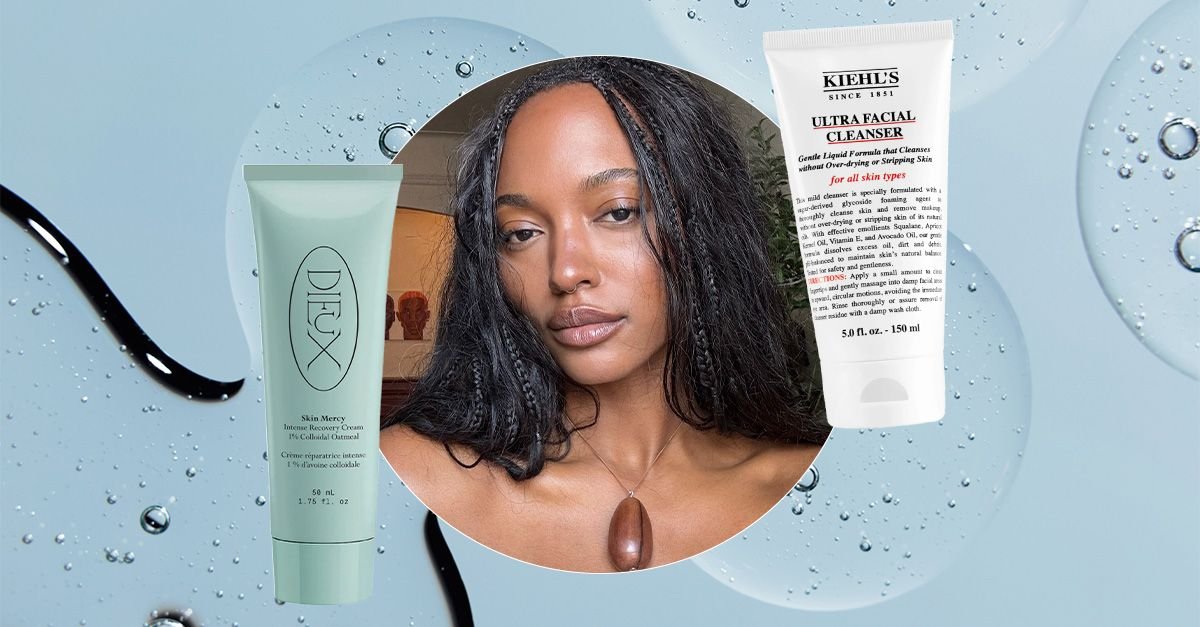
Skincare ingredients often become trend-ified. It doesn’t matter if they’re new or old; it’s all about when and how they make their way back into the social media spotlight. Take niacinamide, for example. It’s been used in skincare for 50 or so years, but in 2020 it went viral online as a “miracle” ingredient. Miracle? No. Science-backed multi-tasker? Yes.
Hyaluronic acid (HA) is another example. It’s been used in skincare for decades and is actually produced naturally in the human body. Yet, it’s only recently become commodified as *the* hydrating ingredient to end all others. However, experts beg to differ. While there’s no denying that HA can and does increase skin hydration, they say there’s another ingredient that works just as well, if not better, for some skin types.
The overlooked and underrated ingredient is glycerin OFC. It might not be the sexiest skincare ingredient out there, but make no mistake—it can intensely hydrate, soothe, and strengthen the skin. Ahead, learn everything you need to know about glycerin. Then, shop the experts’ hand-picked product recs.
Article continues below
What Is Glycerin?
Glycerin is a clear, odorless liquid derived from either plant, animal, or synthetic sources. According to board-certified dermatologist Sandra Oska, MD, FAAD, “glycerin optimizes the hydration of the stratum corneum, which is the outer layer of the skin.”
It’s a powerful humectant, which means it belongs to a class of ingredients that attract water in the skin (HA is another one). “It is a known component of the skin’s natural moisturizing system,” Oska says. “This makes it a critical player in restoring the skin’s barrier, in particular in patients with eczema. In dermatology research on skincare products, we frequently measure transepidermal water loss (TEWL), which refers to how much water is escaping from the skin. High TEWL occurs in dysfunctional barriers, whereas low TEWL happens when the skin barrier is intact and retaining water well.” Glycerin helps support the skin barrier and prevent TEWL.
Paula Brezavscek, PA-C, is the founder of Azala Skin Clinic. She agrees, saying glycerin is a “classic” ingredient that helps the skin “stay hydrated, smooth, and more resilient.” In fact, she says it’s one of her favorite skincare ingredients because it’s so effective for nearly all skin types.
Glycerin vs. Hyaluronic Acid
Here’s what intrigues me the most about glycerin. Often, it’s the superior hydrating ingredient compared to HA (yes, really). Take it from board-certified dermatologist Dara Spearman, MD, FAAD, who says that glycerin has a smaller molecular size, which means it can penetrate deeper into the skin to work its hydrating magic. “Hyaluronic acid and glycerin are both humectants, which means they both serve the job of hydrating the skin by locking in moisture,” she says. “While you can combine both for your skincare routine, one caters towards a certain skin type more than the other. Glycerin is ideal for sensitive and/or dry skin [types] because of its ability to work deeper into the skin and gently restore barrier issues.” Surprised? Me too.
However, before you swap your trusty HA serum for a glycerin-spiked one, Oska has more context. “Compared to hyaluronic acid, glycerin has a lower molecular weight and smaller size, which in part explains its deeper penetration and its significant impact on barrier function. Now, the nuance here is that not all hyaluronic acid is created equal. There is high molecular weight HA vs low molecular weight HA, but both are still quite larger than glycerin. While hyaluronic acid has a more immediate plumping effect, glycerin has a more sustained effect on maximizing hydration and barrier support. Whereas hyaluronic acid is the flashier, instant-gratification ingredient, glycerin is the more understated yet still clinically powerful ingredient.” There you have it!
Glycerin, therefore, is often the ideal hydrating ingredient for dry, sensitive, and acne-prone skin types, due to its ability to better penetrate the skin, attract water, and support the skin barrier. HA, however, can still be beneficial, especially for mature skin types or anyone who desires a plumping effect. It really comes down to preference and product formulation. Plus, your go-to skincare products may use both.
Brezavscek says it best. “When people compare glycerin to hyaluronic acid, I actually think glycerin is often underrated […] Hyaluronic acid can still be very beneficial, but glycerin tends to be more consistent and less dependent on trends, especially for dry, sensitive, or barrier-impaired skin. That said, I do not think of it as an either-or situation. The best formulas often include both.”
How to Best Use Glycerin
All three experts agree that glycerin, like HA, works best when it’s applied to damp skin, so it can attract the hydration into the skin. Similarly, it should be followed with an occlusive, AKA ingredients that form a physical barrier on the skin’s surface to seal in moisture and prevent TEWL (think shea butter, beeswax, silicone, or plant oils). ” It can absolutely be paired with occlusives,” Spearman says. In fact, it’s ideal for making sure that moisture in the skin stays there … Occlusives such as shea butter, dimethicone, cocoa butter, and any sort of petroleum, such as Vaseline, are efficient forms of locking in that moisture that glycerin inserts.”
Oska notes that many glycerin-containing skincare products already contain occlusives to trap hydration, so they do the heavy lifting for you. “Sensitive skin or dry skin users will love the elevated hydration that glycerin gives, but in reality, anyone whose barrier is in need of some pampering will reap the benefits of this powerhouse ingredient. Post-procedure skin will soak this right up, as various in-office treatments will temporarily and intentionally disrupt the skin barrier.”
Are There Any Downsides to Glycerin?
Brezavscek says that glycerin is extremely well-tolerated, including by sensitive and acne-prone skin types. However, both she and Oska note that, when used in high concentrations, it can feel tacky or sticky. (If you find that’s the case with a specific glycerin skincare product, you can always switch over to one that contains a lower concentration. It will still help hydrate, soothe, and support the skin.) Oh, and make sure you’re pairing it with those aforementioned occlusive ingredients. If you don’t, you could be losing all the hydration glycerin gives your skin, and thus rendering it ineffective. “In very dry environments, humectants perform best when paired with barrier-supportive ingredients so moisture does not evaporate too quickly,” Brezavscek cautions.
As always, it’s a good idea to perform a patch test before introducing a new skincare product to your routine. “If tested and an allergic reaction forms or skin irritation, stop use,” Spearman says. “If you’re unsure if your skin will welcome glycerin due to sensitivity, contact your dermatologist first.”
The Best Glycerin Skincare Products

“This lightweight serum works well to keep the skin hydrated and healthy,” Spearman says. “The glycerin helps replenish moisture levels, while ceramides support the skin barrier.”

CeraVe
Hydrating Facial Cleanser
Both Spearman and Oska recommend this drugstore face cleanser. “This gentle cleanser gets the day off, while the glycerin avoids any stripping of the skin of its natural oils,” Oska says. “Glycerin in cleansers is a well-kept secret in each dermatologist’s routines to avoid that post-washing stripping.”

Skinfix
Triple Lipid-Peptide Cream Refillable Barrier Moisturizer
“This is a cult-favorite for good reason and merges lipids, peptides, and a humectant blend (featuring glycerin) to create a nourishing, barrier-first moisturizer,” Oska says.

La Roche-Posay
Lipikar Wash AP+ Gentle Foaming Moisturizing Wash
This is the first of two products Oska recommends for hydrating and soothing dry skin. La Roche-Posay’s Lipikar Wash “soothes and cleanses the skin” with a glycerin-rich formula.

La Roche-Posay
Lipikar AP+MTriple Repair Body Moisturizing Cream
Here’s the second product in the duo. “The cream leaves a rich, hydrated feel to even the most sensitive eczema-prone skin,” Oska says. “This duo covers the transition from in-shower to post-shower beautifully.”

Skinbetter Science
Trio Rebalancing Moisture Treatment
Brezavscek recommends this glycerin-based rich moisturizer, which is sure to hydrate, soothe, and support even the driest skin types, thanks to an elegant formula.

Avène
Hydrance Light Emulsion
Brezavscek also loves this light, soothing emulsion for sensitive skin.

Hydrinity Skin Science
Restorative HA Serum
Last but not least, Brezavscek recommends this hydrating serum that contains both glycerin and HA.

Kiehl’s
Mini Ultra Facial Gentle Face Cleanser With Glycerin
Now for some editor favorites, from yours truly. I’ve been using this glycerin-spiked cleanser since high school, and I don’t intend to stop anytime soon. It dissolves sweat, oil, and sunscreen, without stripping my skin.

Experiment
Super Saturated Hydrating Barrier Serum
This serum contains a whopping 30% glycerin and polyglutamic acid for skin-saturating hydration.

Dieux
Skin Mercy Intense Recovery Cream
Dieux’s Skin Mercy Intense Recovery Cream contains 10% glycerin, antioxidants, and colloidal oatmeal to soothe irritation and address redness and itchiness.